In 1948 eight-year-old Mei Lin is laid up for a spell with coughs and sores, and her teacher notices how quickly she catches up. Her father's trade stalls under the weight of competition, but the street around them fills with new paint and new shops, and he and Lim Swee Neo grow closer. Swee Neo is woken by the old fear at night. Mei Lin does not work outside school, and nobody in the family is seriously ill.
A work of fiction set in real history. The characters are invented; the historical events are real and sourced.
In 1947 seven-year-old Mei Lin reads aloud in class for the first time and has an ordinary school year. At home the grown-ups are short-tempered. Tan Cheng Huat's trade stalls, no credit comes for a proper firm, the money he lost in 1946 is not recovered, and the newspapers' reports on the trial of the officers behind the Sook Ching bring the screening centre back to him. Lim Swee Neo gets more worrying news of a relative. The neighbours help where they can, and nobody in the family is seriously ill.
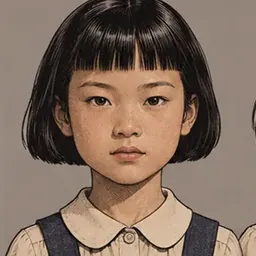
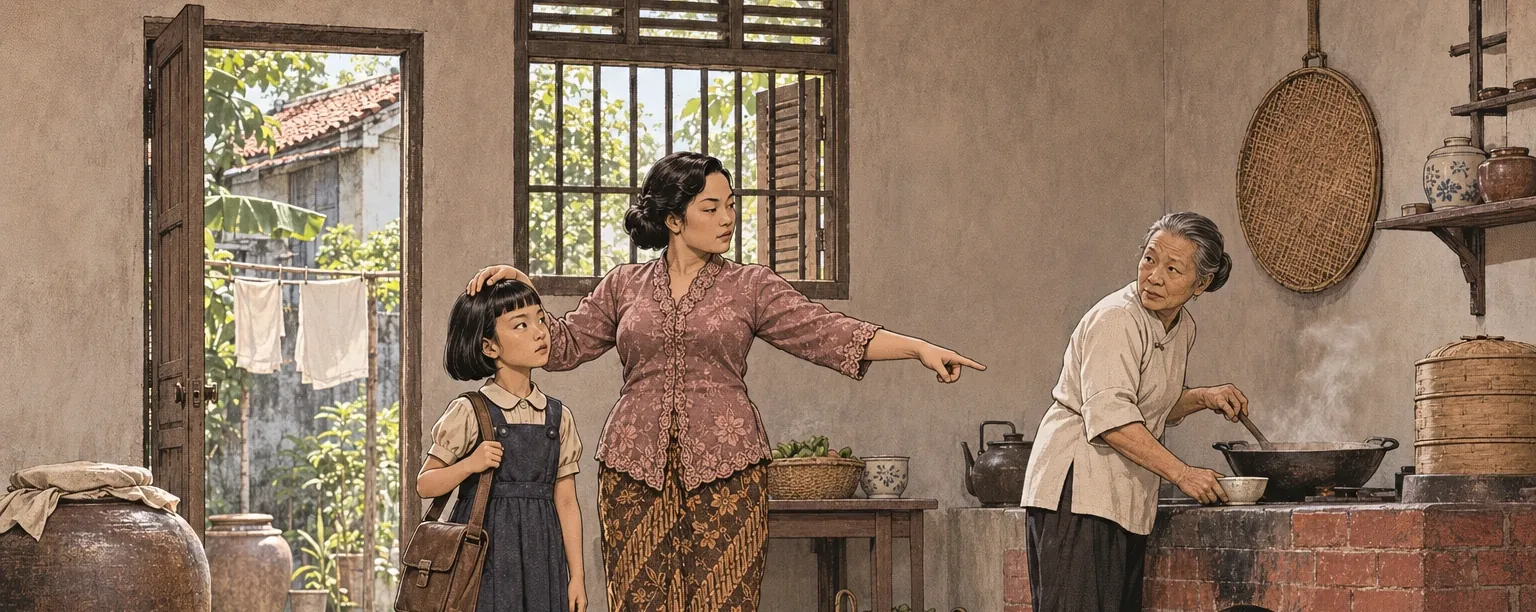
the child of the house, in her third year at school
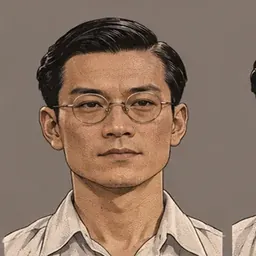
her father, a merchant without a firm
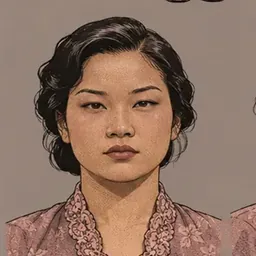
her mother
Singapore in 1948 is a Crown Colony. In March the first (limited) elections to the Legislative Council were held, with six elected seats; most residents, including most of the Chinese community, could not vote. In June the Malayan Emergency was declared after the murder of European planters in Perak; the Malayan Communist Party was banned and emergency regulations followed, including in Singapore.
Behind the dice How likely was each thing that happened? (Spoilers)
Nothing in The Dice Decides is chosen by a writer. Each person's year is a set of rolls, weighted by their stats and their times; the story is written afterwards to fit what the dice decided.
| Who | What the dice decided | Result | Chance |
|---|---|---|---|
| Tan Mei Lin | A meaningful step at school: she catches up three weeks in two mornings. | yes | 69% |
| Tan Mei Lin | The teacher turns her slate over, asks who taught her, and writes something down. | teacher notices | 18% |
| Tan Cheng Huat | Two of them in the lamplight over the accounts. | closeness | 12% |
| Lim Swee Neo | The old fear wakes her after midnight. | nightmare | 6% |
| Tan Cheng Huat | His trade stalls: no customers, a rival cloth-seller undercutting everyone. | no | 51% |
| Tan Cheng Huat | The bank officer: come back when the Emergency has settled. | no | 70% |
| Tan Mei Lin | Three weeks in bed with a cough and sores, listening to the rain. | sickly spell | 7% |
| Tan Mei Lin | The street fills with new paint and a second oven. | trade revives | 14% |
| Tan Mei Lin | No work but school and chores; the front step and the slate. | none | 82% |
| Lim Swee Neo | She does little sewing; the basket on her knees. | no | 72% |
| Tan Cheng Huat | The Emergency does not catch his trade; he turns the radio down. | no | 90% |
| Tan Mei Lin | No serious illness for Mei Lin; only a sickly spell. | no | 98% |
| Tan Mei Lin | No rent rise squeezes the household. | no | 88% |
| Tan Mei Lin | Mei Lin survives the year. | no | over 99% |
| Tan Cheng Huat | No serious illness for Cheng Huat. | no | 95% |
| Tan Cheng Huat | Cheng Huat survives the year. | no | over 99% |
| Lim Swee Neo | No serious illness for Swee Neo. | no | 93% |
| Lim Swee Neo | Swee Neo survives the year. | no | over 99% |
Chances are the simulation's model assumptions, not historical statistics.
Show as a table
| Year | Household a month | Peer median | Multiple |
|---|---|---|---|
| 1941 | $504 | $42 | 12.0× |
| 1942 | $82 | $42 | 2.0× |
| 1943 | $148 | $42 | 3.5× |
| 1944 | $204 | $42 | 4.9× |
| 1945 | $815 | $120 | 6.8× |
| 1946 | $1,114 | $150 | 7.4× |
| 1947 | $1,094 | $155 | 7.1× |
| 1948 | $1,072 | $160 | 6.7× |
Nominal dollars; the engine's model estimate, the same figure as each issue's money line.
The chapter in prose
1948: The Teacher Notices
In 1948 eight-year-old Mei Lin is laid up for a spell with coughs and sores, and her teacher notices how quickly she catches up. Her father's trade stalls under the weight of competition, but the street around them fills with new paint and new shops, and he and Lim Swee Neo grow closer. Swee Neo is woken by the old fear at night. Mei Lin does not work outside school, and nobody in the family is seriously ill.
The Teacher Notices
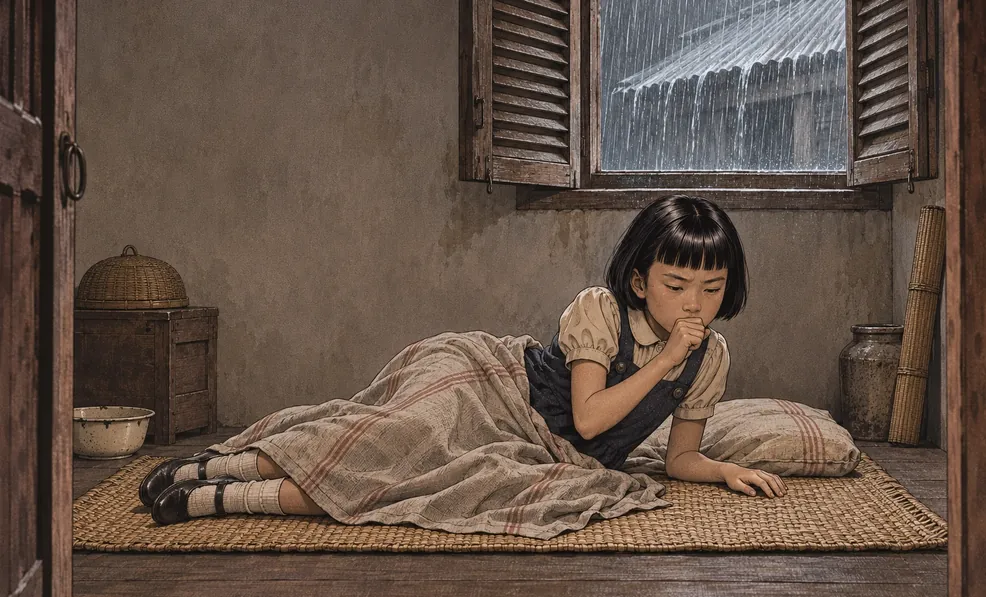
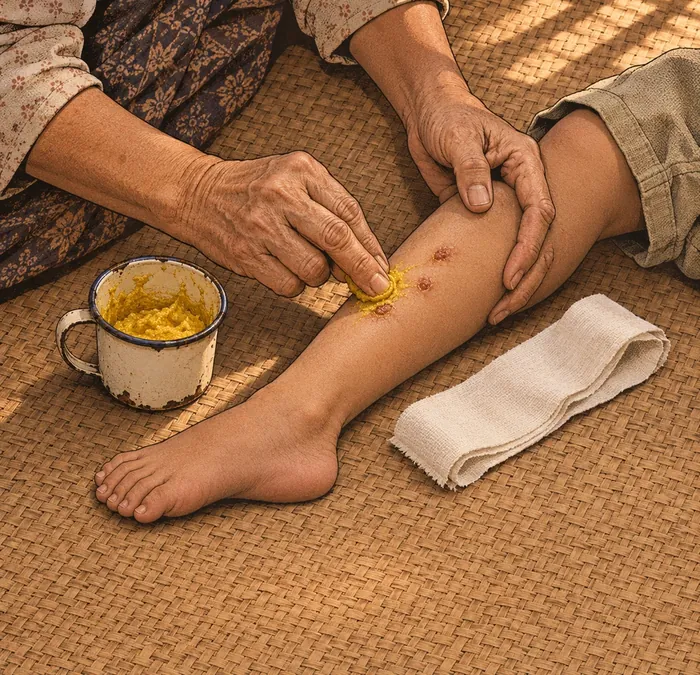
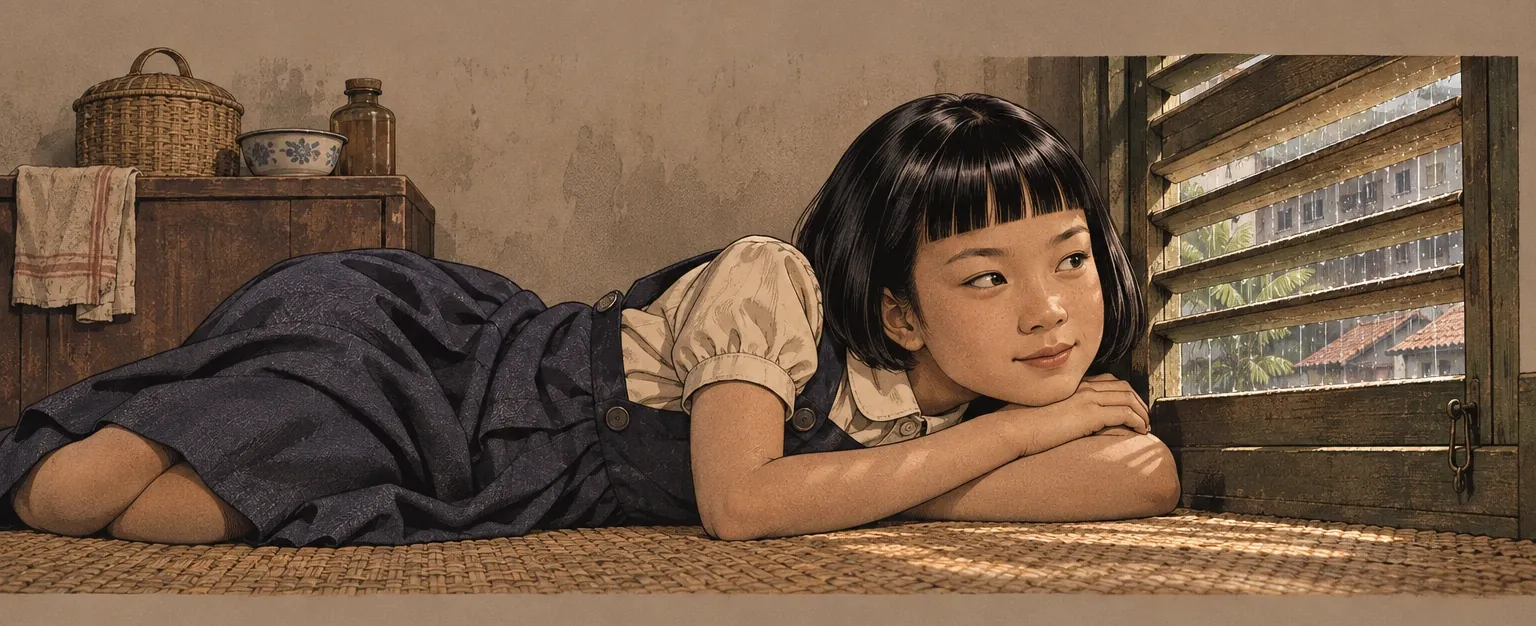
She was out of school for three weeks in the wet season. It was nothing the doctor would put a name to: a cough that sat in her chest and would not shift, and a crop of small sores on her shins that the servant dressed each morning with a bitter yellow paste. She lay on the mat in the back room and listened to the rain on the zinc, and made up stories about the people in the street whose voices she could hear.
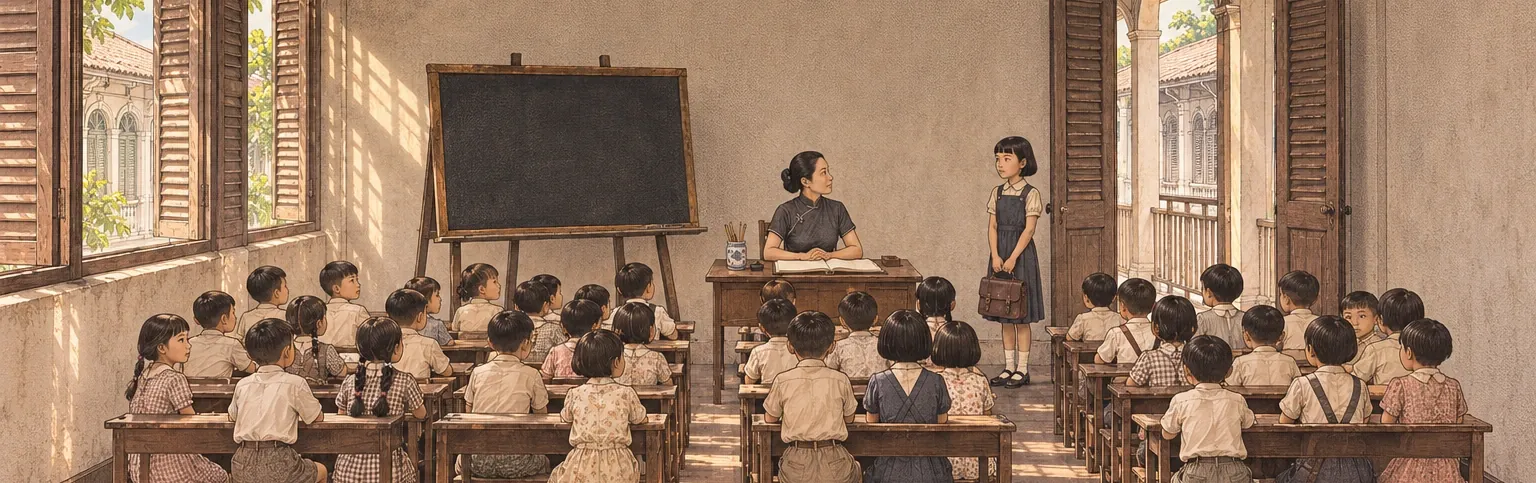
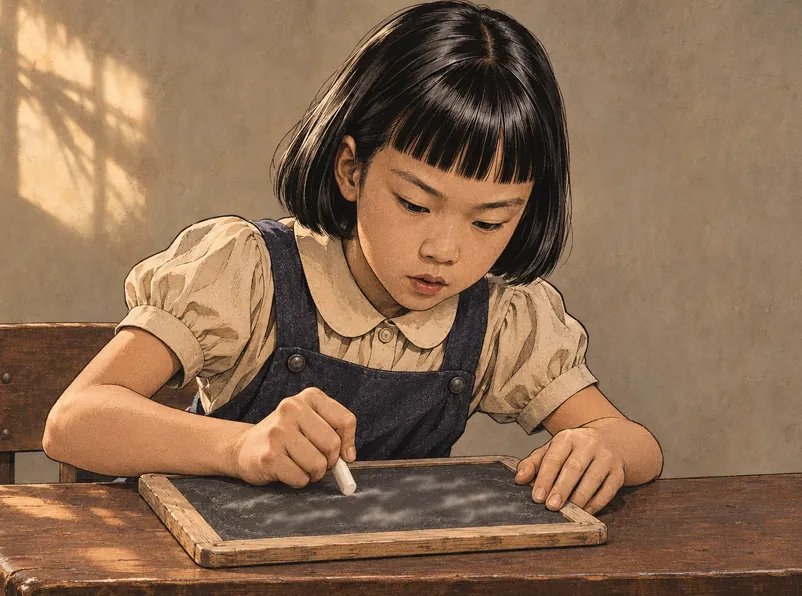
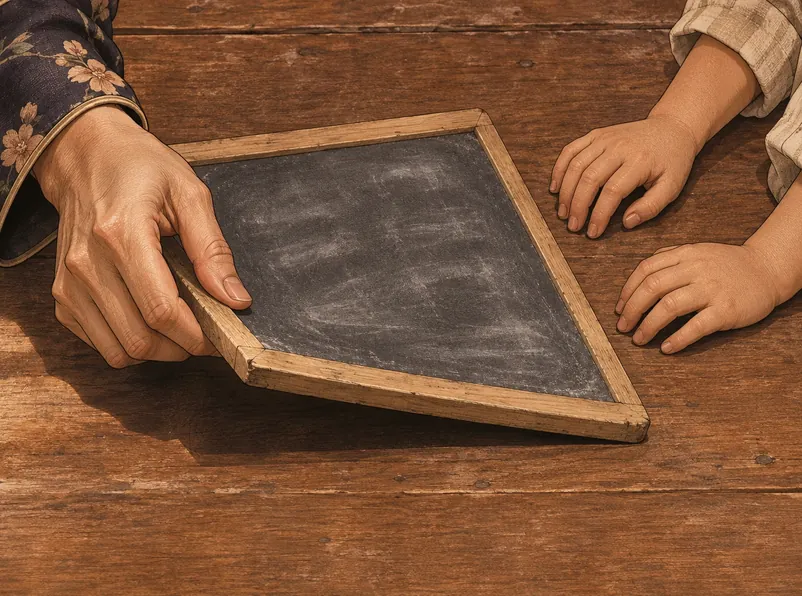
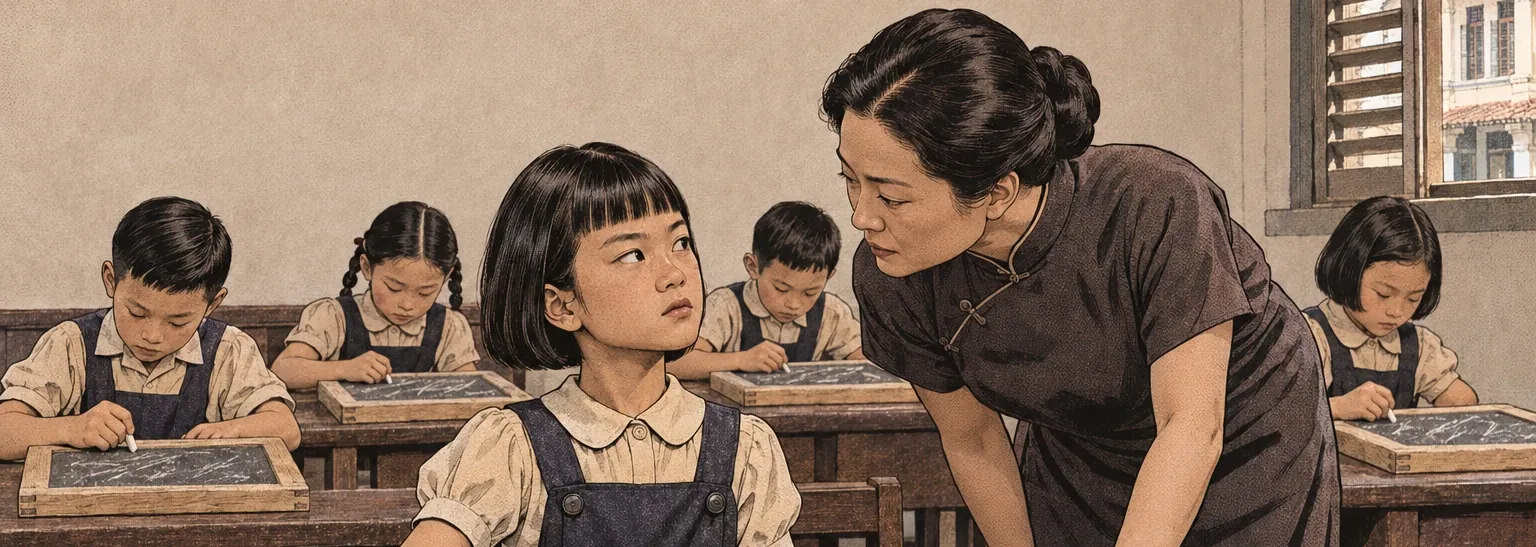
When she went back the teacher looked at her over the top of the register, said nothing about the empty weeks, and gave her the book. She was behind by three weeks of sums. By the end of the second morning she was not behind, and the teacher, handing back the slates, stopped at her bench and turned hers over, and turned it back.
It was not praise. It was a look, held a little too long, and a question the next day about whether she had been taught at home. She said her mother had taught her the characters. The teacher nodded and said, "And the figures?" and Mei Lin said she had learned those by herself, from her father's book, and the teacher wrote something down.
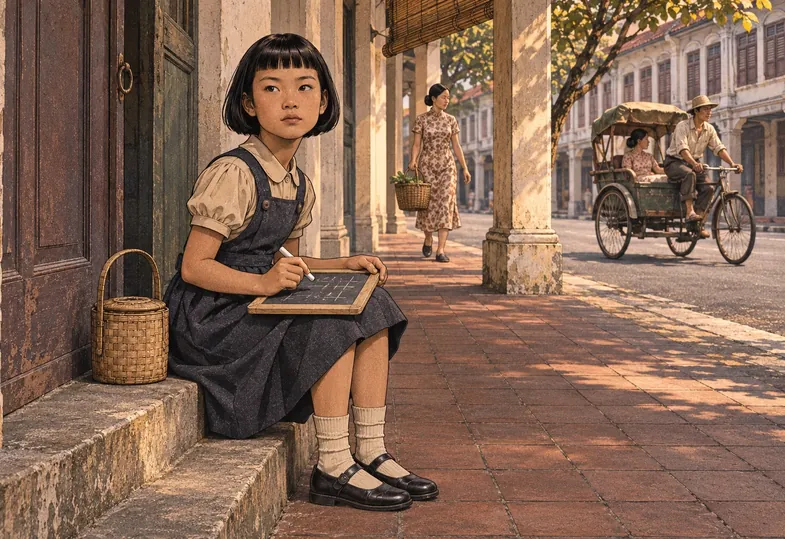
She had no work that year but school and the chores of the house. On the afternoons that were not hot she sat at the front step with her slate, and the street went by.
New Paint
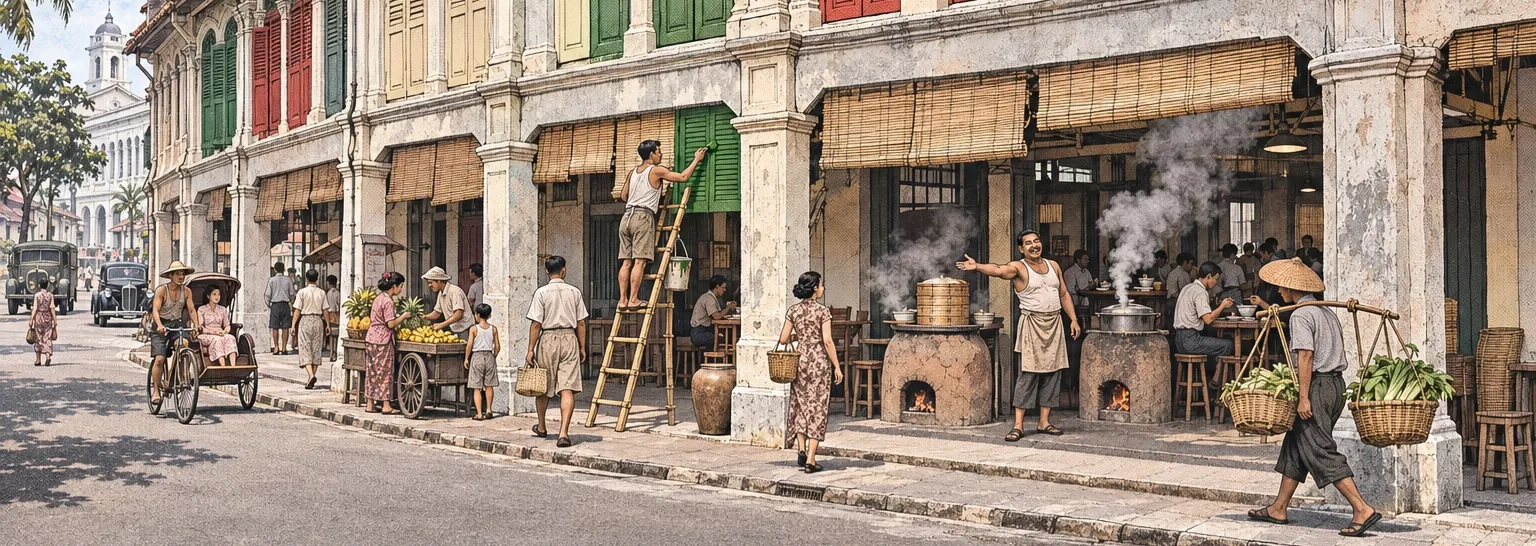
The street changed that year in a way you could smell. Shop after shop put up its shutters on a new coat of paint, red or green or a pale cream, and the eating-house on the corner got a second oven and a hired man to stand at the door. Cheng Huat noticed the paint before he noticed the customers. The customers were what he had not got.
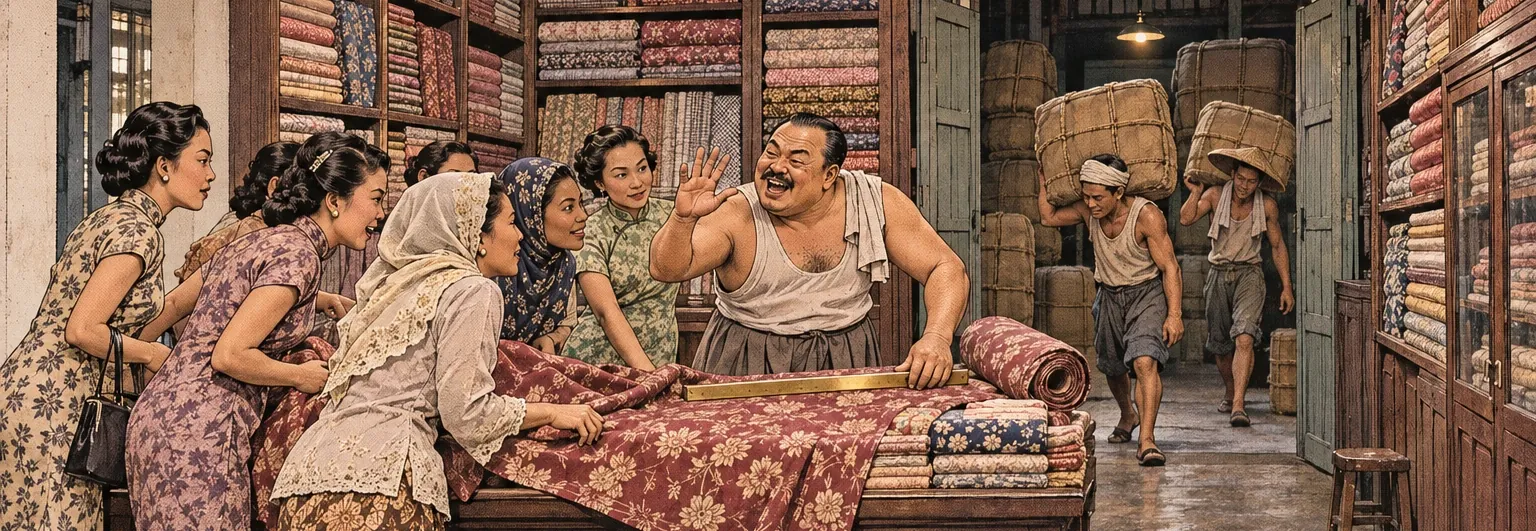
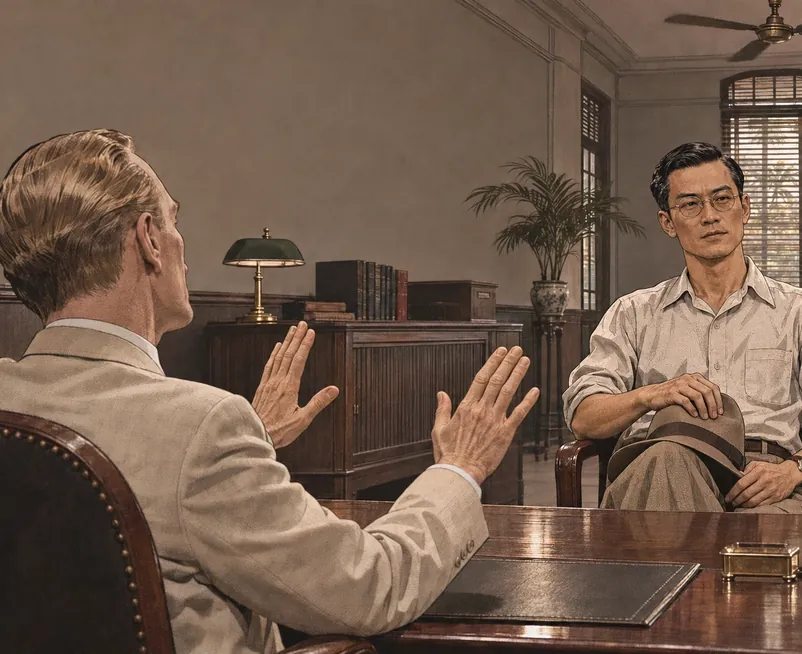
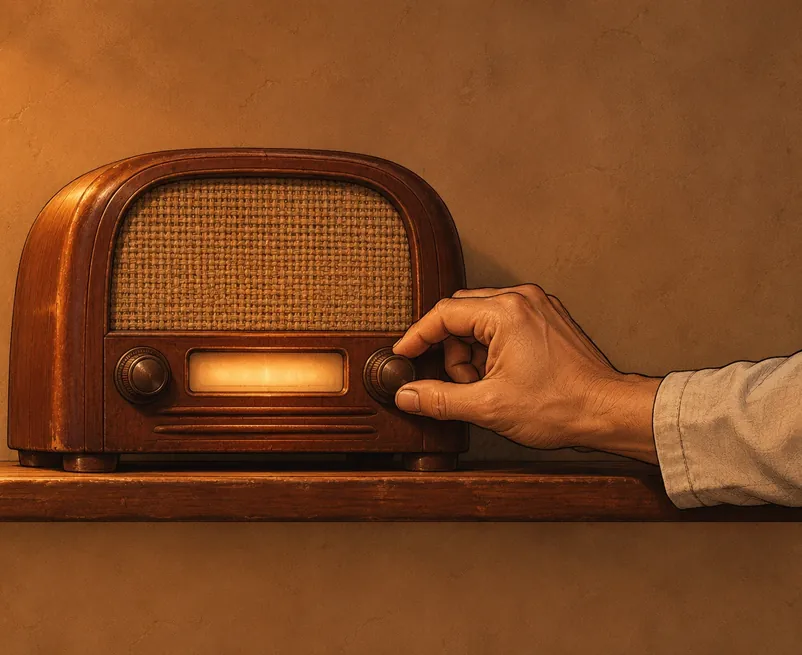
His table did the same trade as the year before, a little less. A cloth-seller two streets away had a godown and a bank behind him and was undercutting everyone, and Cheng Huat, who knew his figures better than any man in the row, could not match him and did not try. He went once more to the men with credit and was told, politely, to come back when the Emergency had settled. He did not know when that would be. The radio talked about it every night. He turned it down.
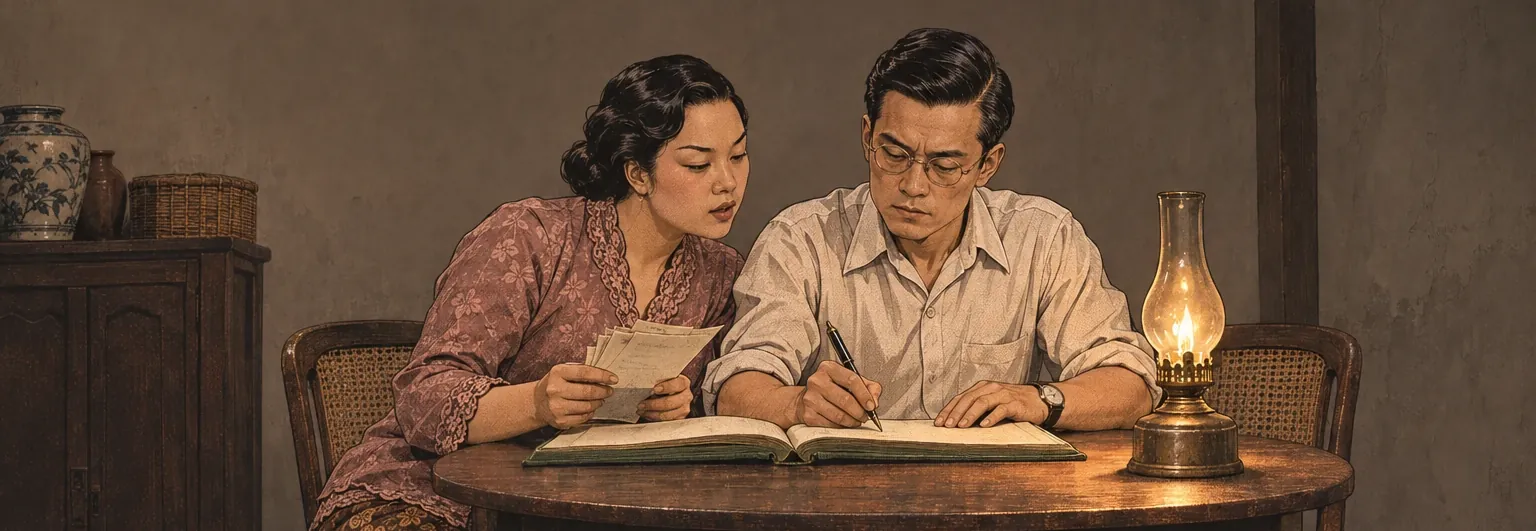
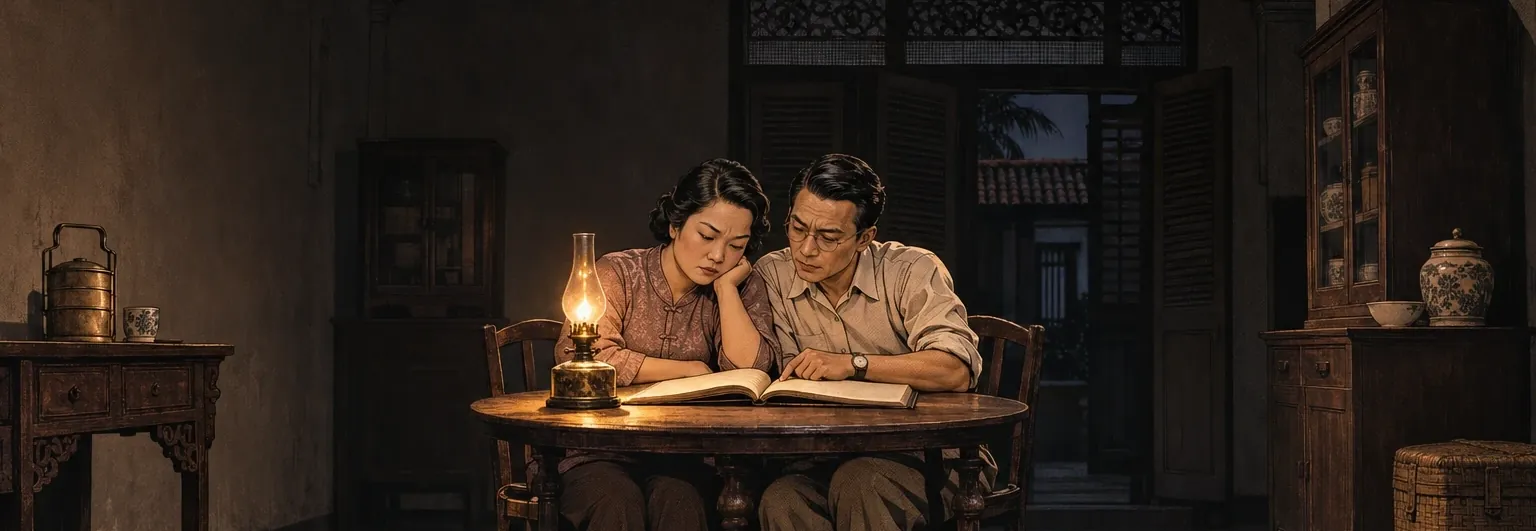
What he did get that year, without having looked for it, was his wife. They had been tired together for so long that it took him a while to see what had changed. She sat with him at the table in the evenings while he did the accounts. She read the figures back to him as he wrote them. She did not offer comfort, and he did not ask for it, but there was a lamp on the table and two of them in its light, and that was more than they had had in some time.
The Lamp in the Passage
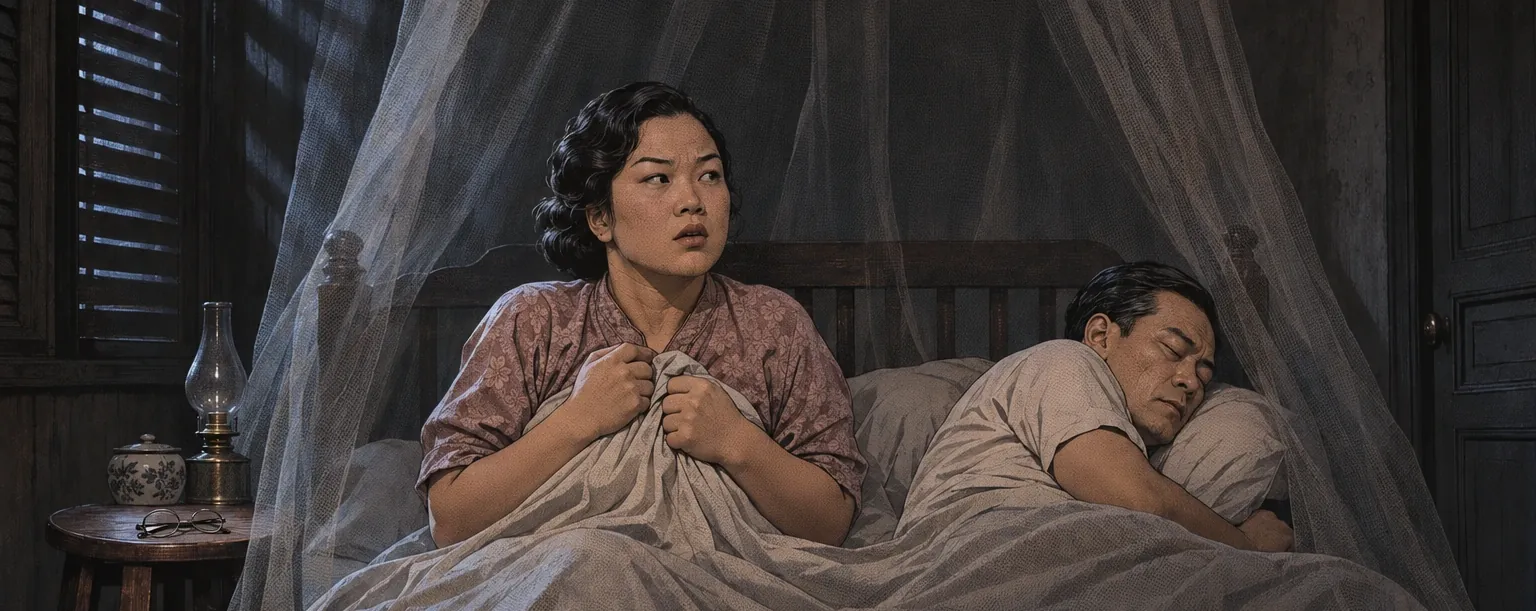
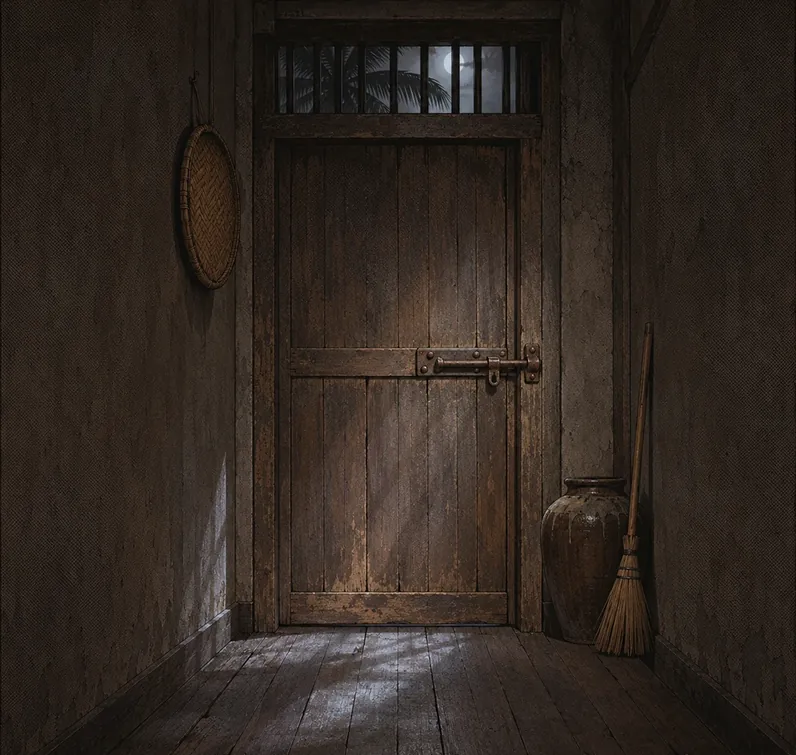
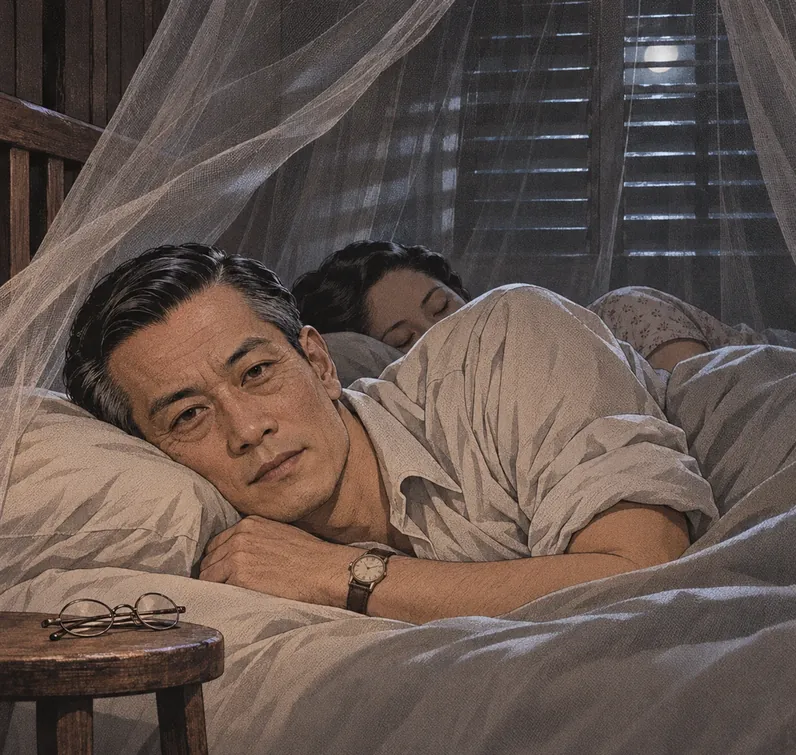
The fear came back to Swee Neo at night. It had been waiting, she supposed, until the days were safe enough to leave room for it. It did not come as a memory. It came as a sound in the house after midnight, a footstep or a latch, and she would be sitting up in the dark with her heart going before she knew she had woken.
Nothing was ever there. Cheng Huat slept through it, or let her think he did. In the morning she was brisk with the servant and gentle with the child, and nobody would have said anything was the matter.
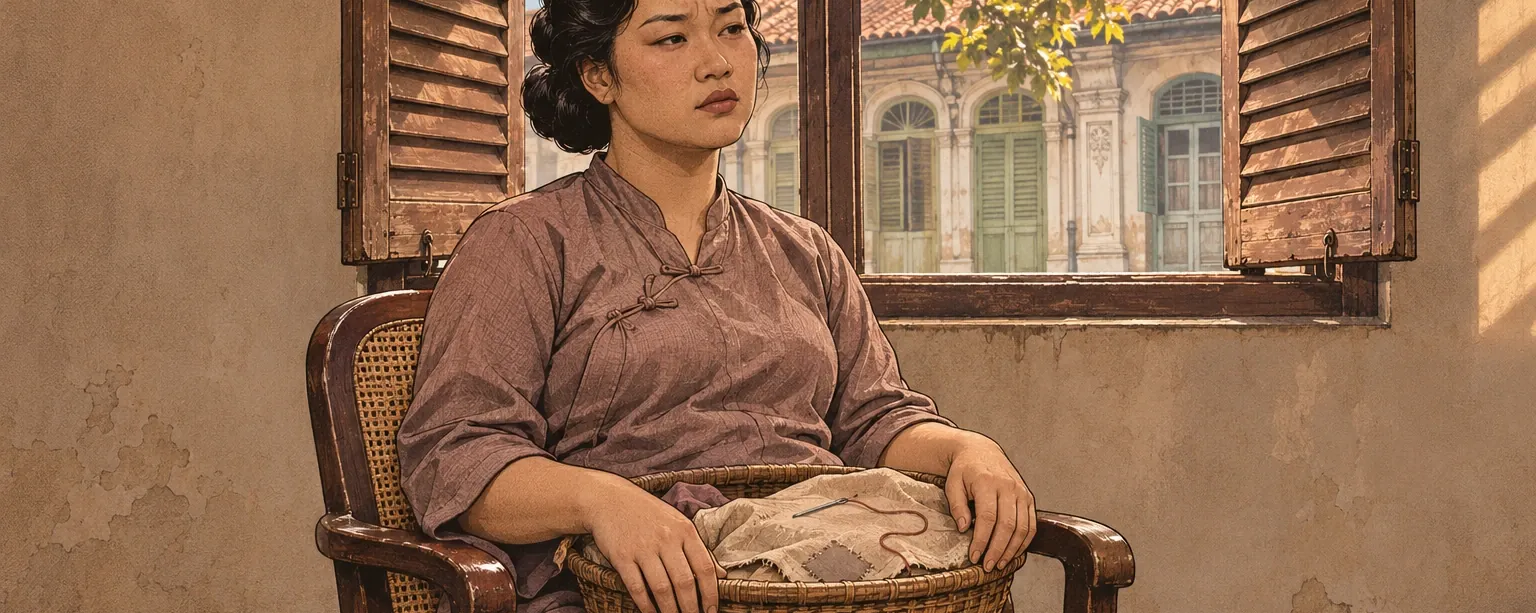
She did very little sewing. She told herself it was the wrist. Some afternoons she sat with the basket on her knees and looked at the window and did not take up the needle, and some afternoons she did.
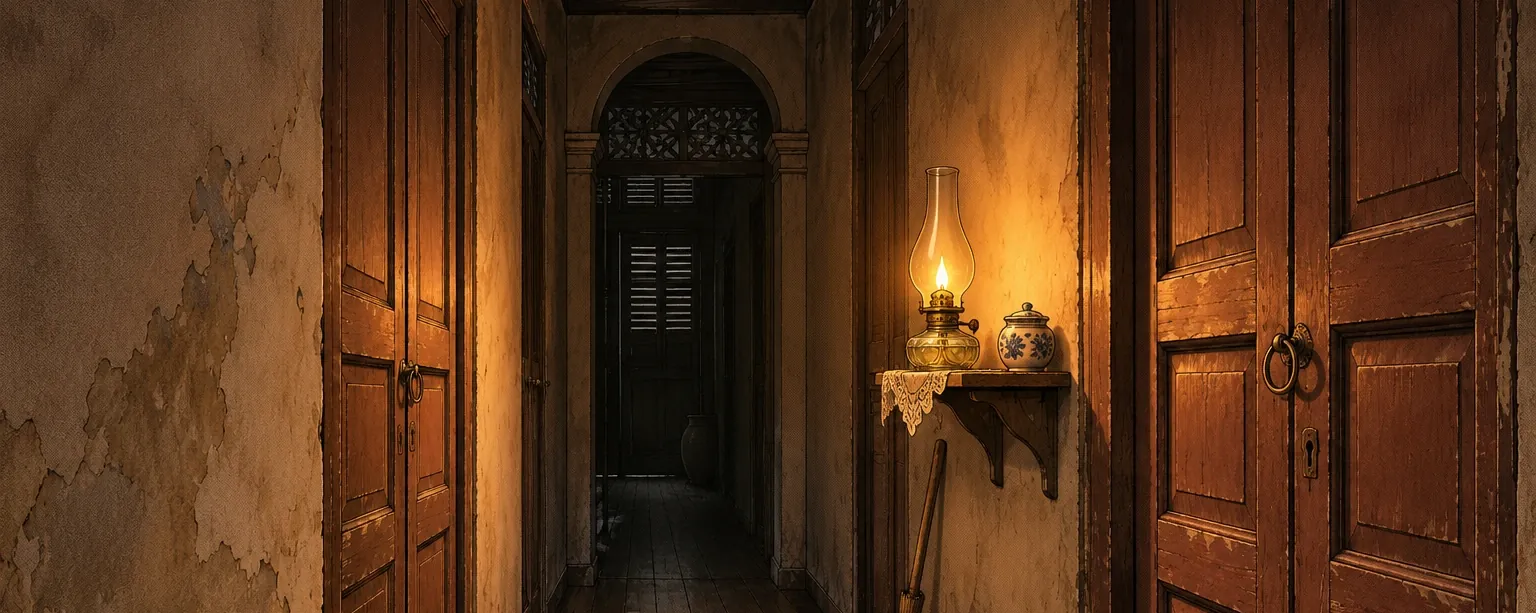
She did not tell anyone about the nights. She lit the lamp in the passage on the last of them, and left it, and in the morning she found that someone had trimmed the wick.
On the last night of the year Swee Neo lit the lamp and left it burning in the passage, a thing she had stopped doing in 1946, and went to bed without explaining why.