In 1946, the first full year of peace, six-year-old Mei Lin starts school in a neighbour's front room. Tan Cheng Huat's trade grows, but he does not manage to reopen a proper firm, is fined by a price-control inspector, and loses a consignment he had already paid for. Lim Swee Neo queues for rice, sews little, and receives news at last of a relative's household. Nobody in the family is seriously ill.
A work of fiction set in real history. The characters are invented; the historical events are real and sourced.
In 1945 the Japanese Occupation ends. Early in the year soldiers search the Tan house and frighten Lim Swee Neo, who is already weakened by hunger, and her sewing falls off. When Japan surrenders in August, the street comes together, and when the British return Tan Cheng Huat is among the first to trade again. Five-year-old Mei Lin has a quiet year, and all three of them are alive when it ends.

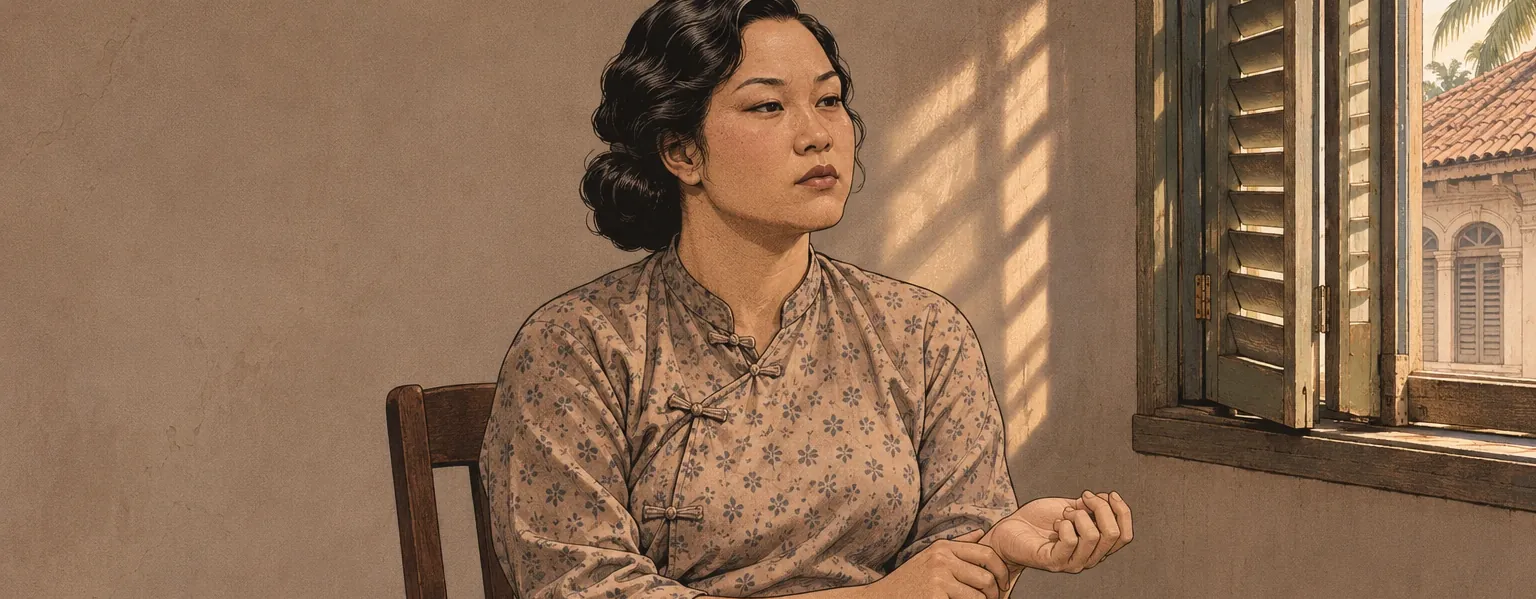
the child of the house, starting school

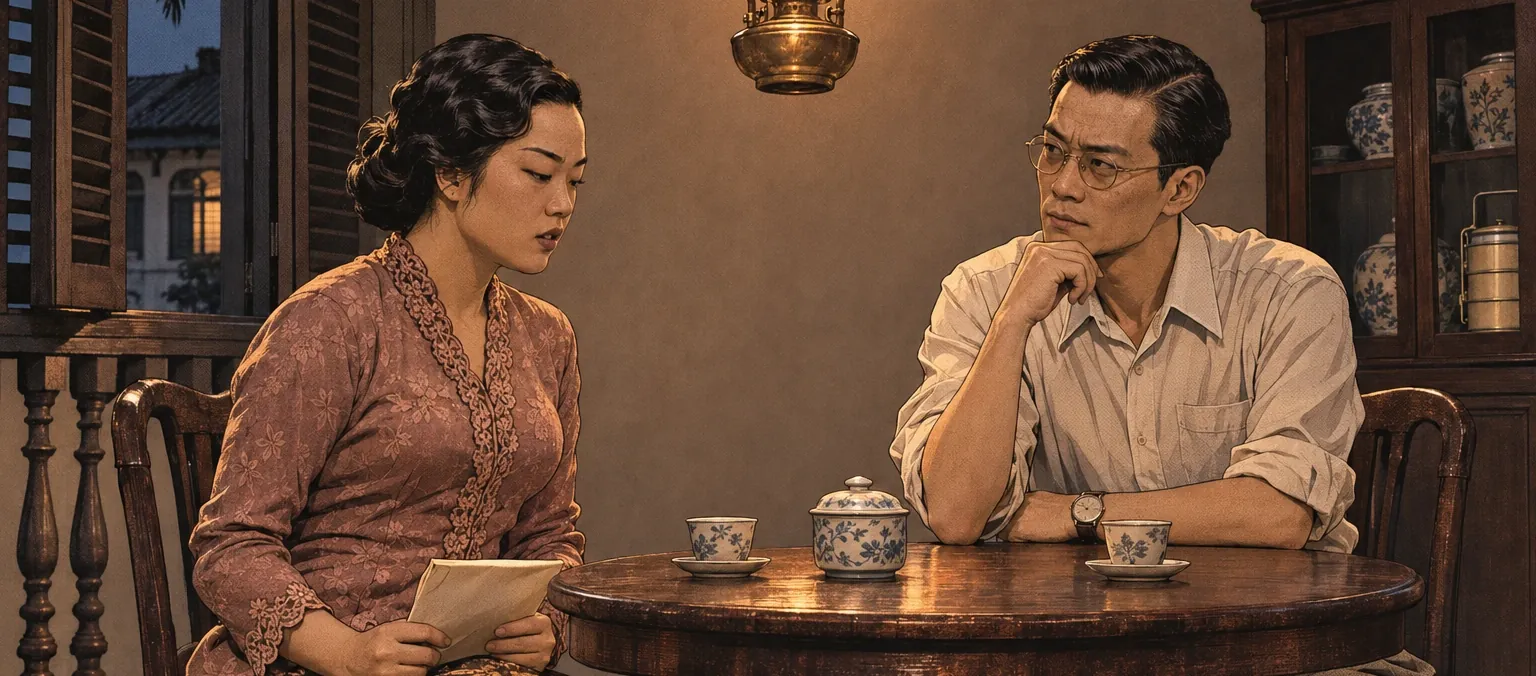
her father, a merchant
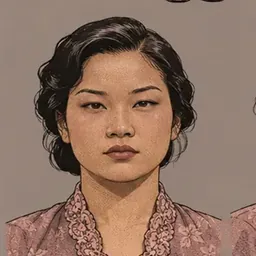
her mother
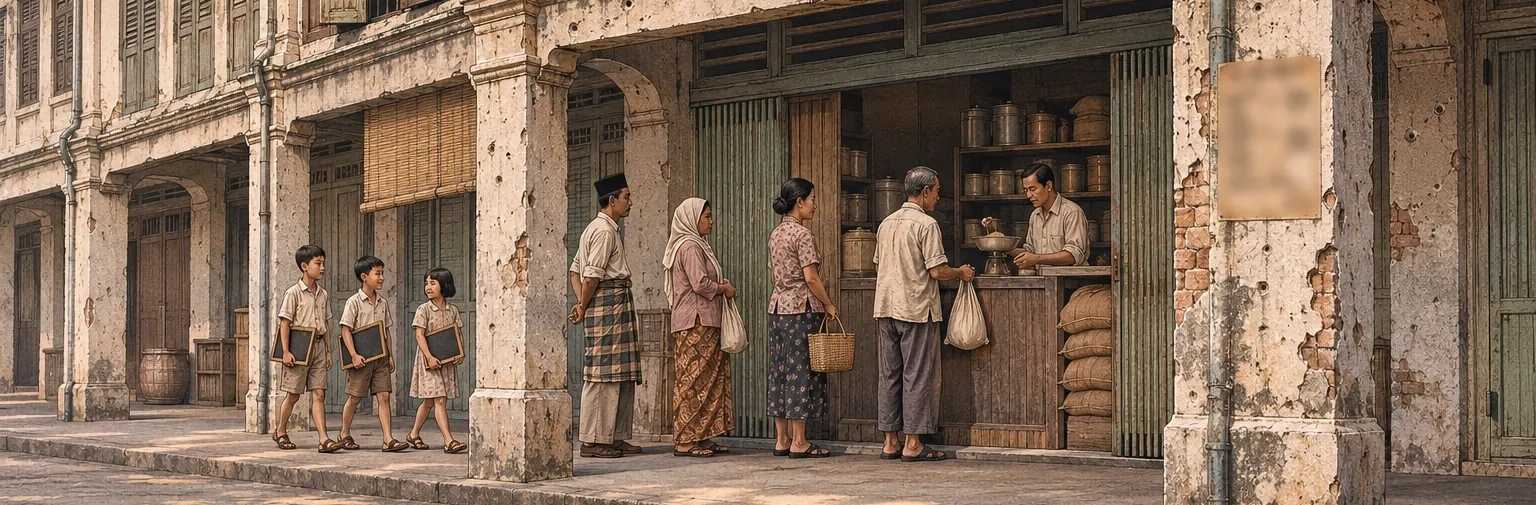
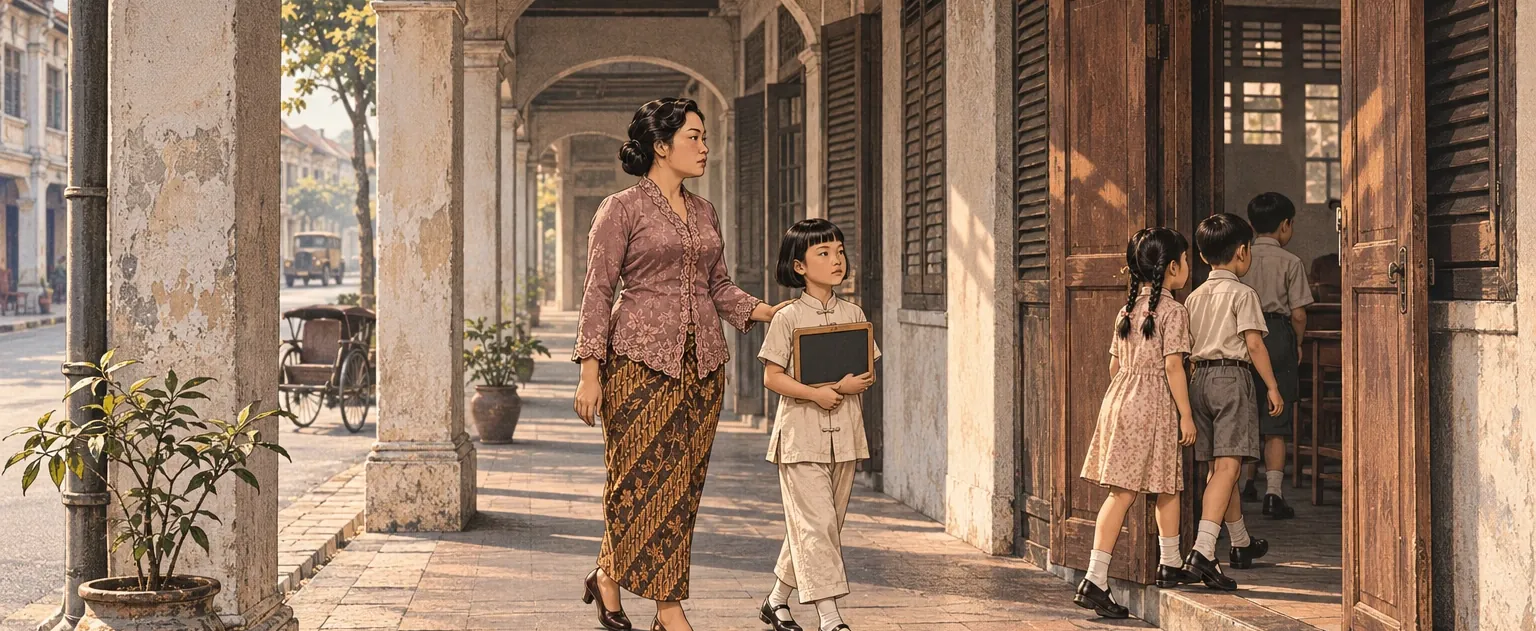
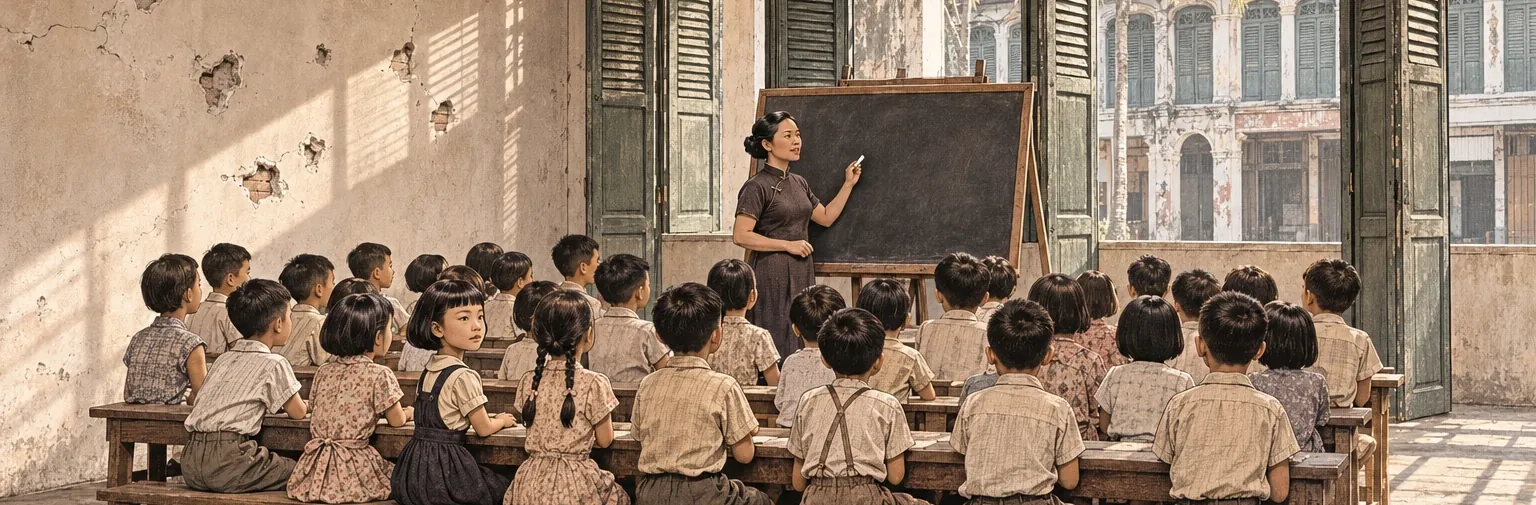




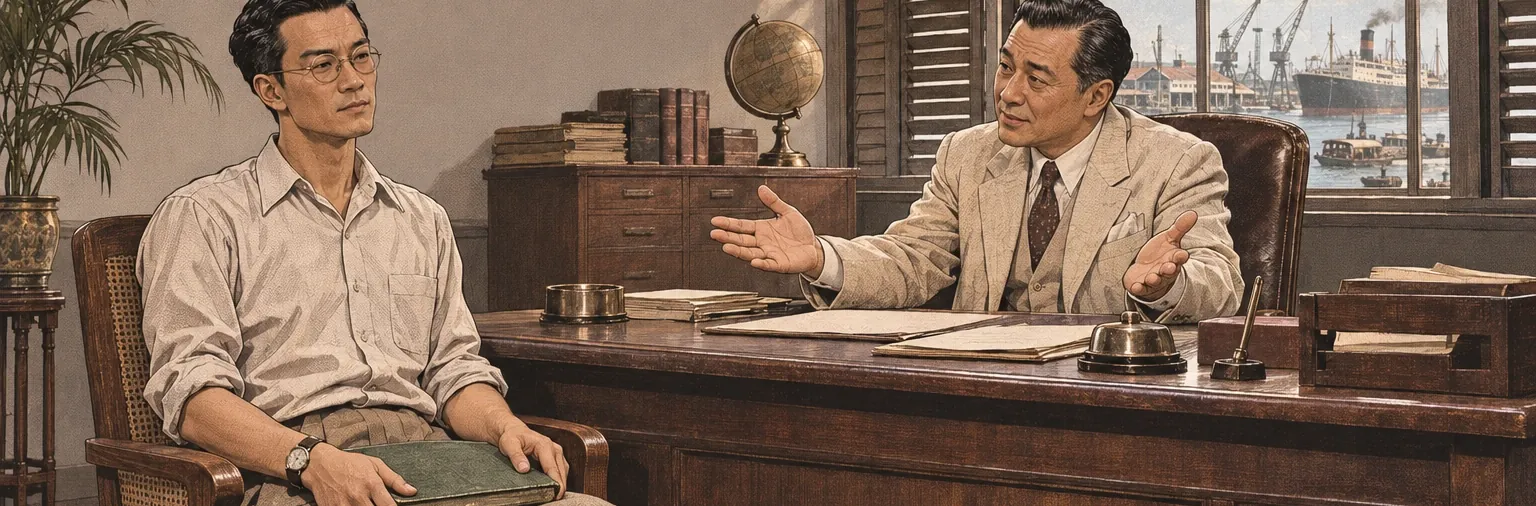
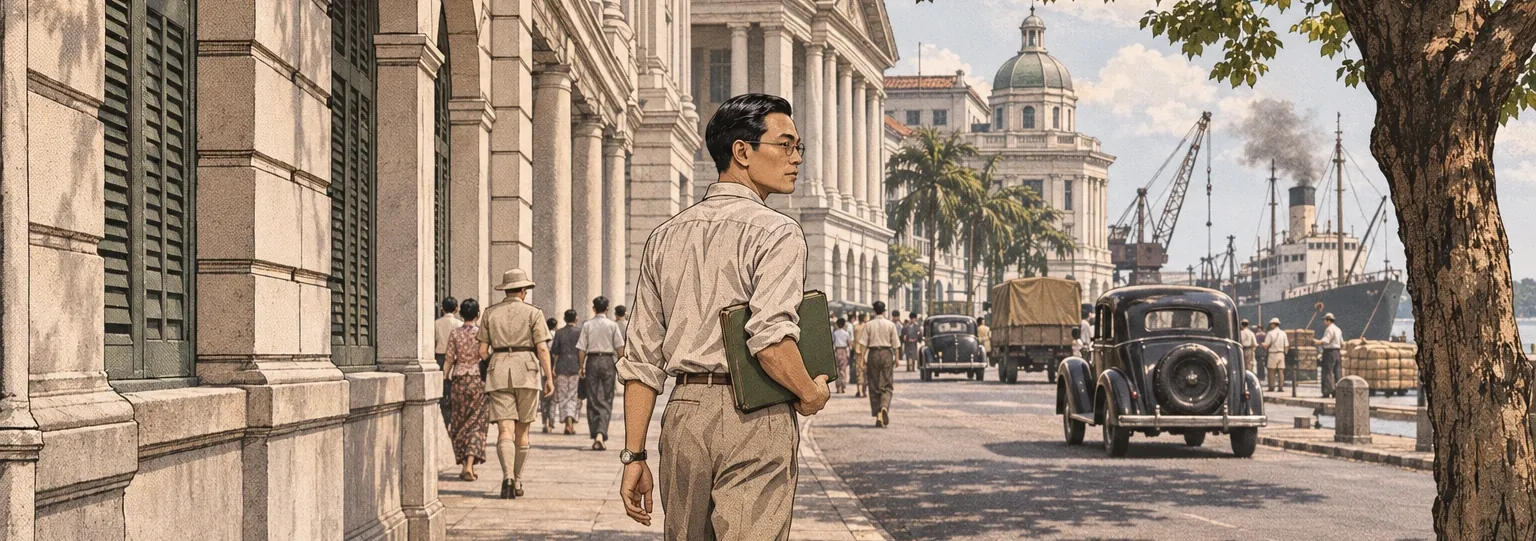
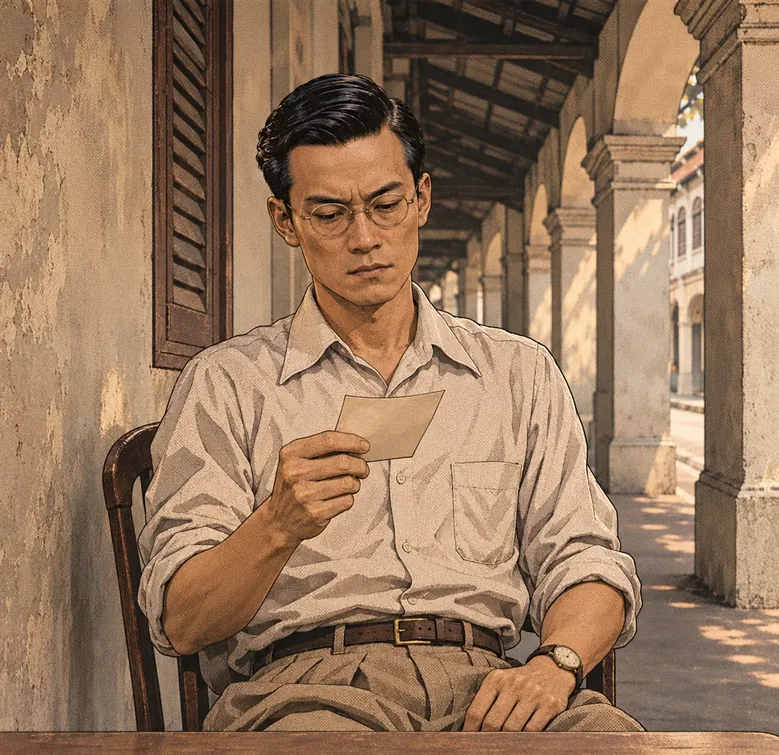
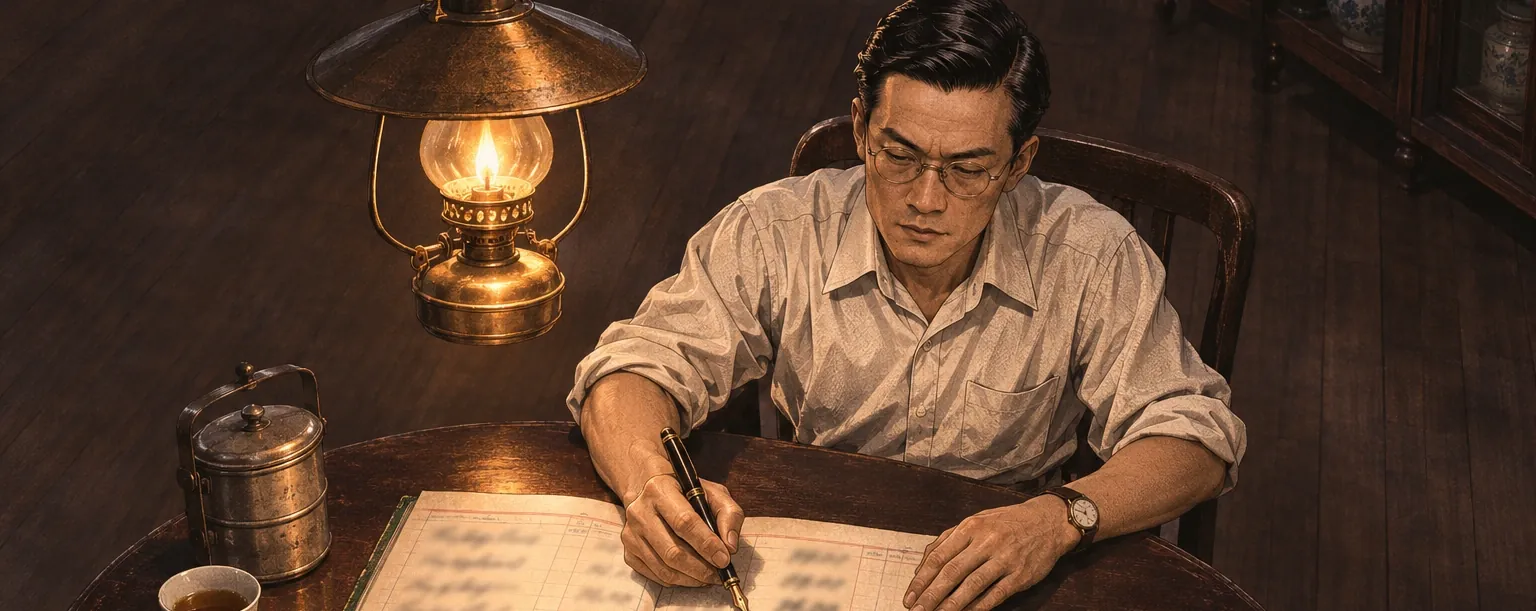
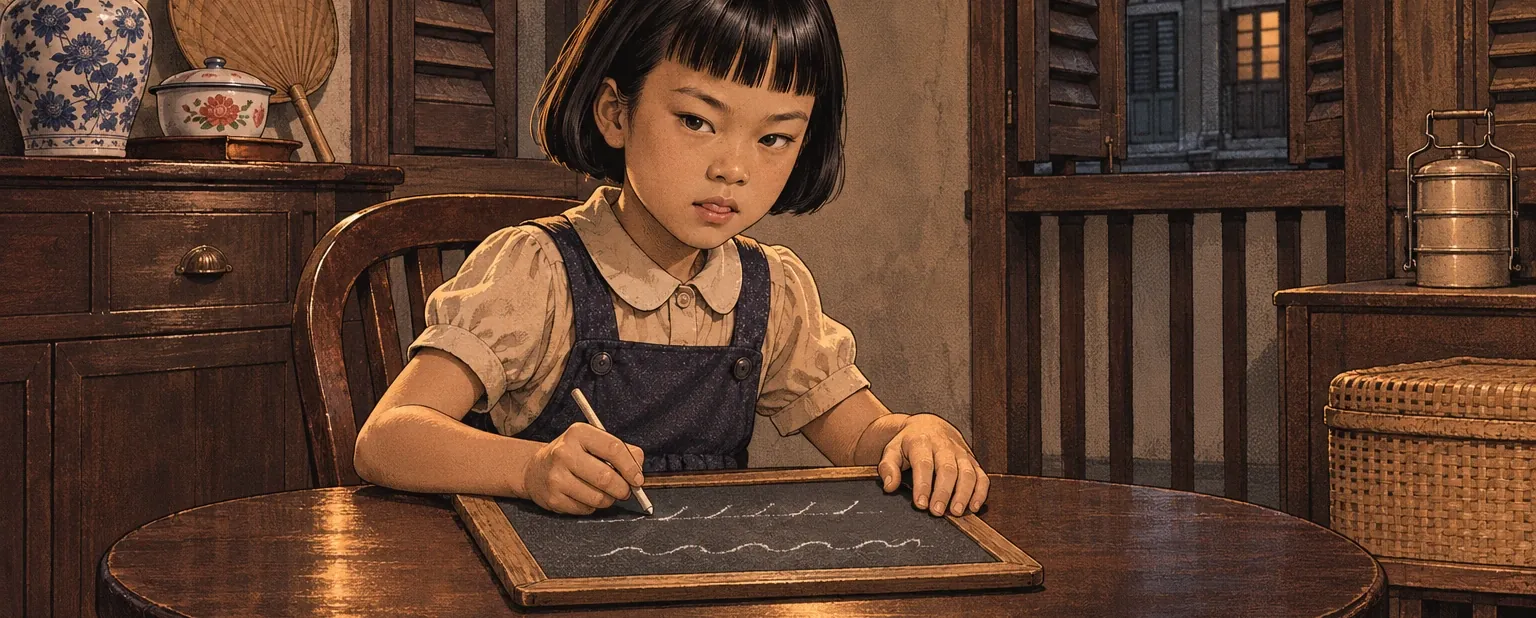
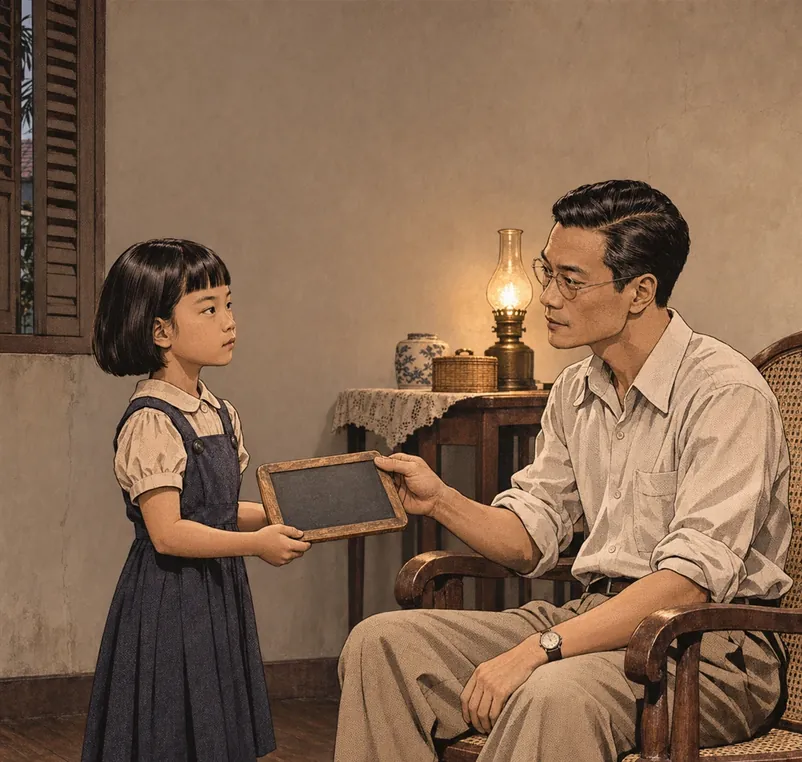
Singapore in 1946 is under the British Military Administration until 1 April, when it becomes a separate Crown Colony. Food is still short and rationed; rice queues, price controls and a flourishing black market continue, and unrest and strikes mark the year.
Behind the dice How likely was each thing that happened? (Spoilers)
Nothing in The Dice Decides is chosen by a writer. Each person's year is a set of rolls, weighted by their stats and their times; the story is written afterwards to fit what the dice decided.
| Who | What the dice decided | Result | Chance |
|---|---|---|---|
| Tan Mei Lin | Mei Lin starts at a small school in a neighbour's front room. | small school | 8% |
| Tan Cheng Huat | The ships' agents and old suppliers are polite: not yet. No proper firm. | no | 75% |
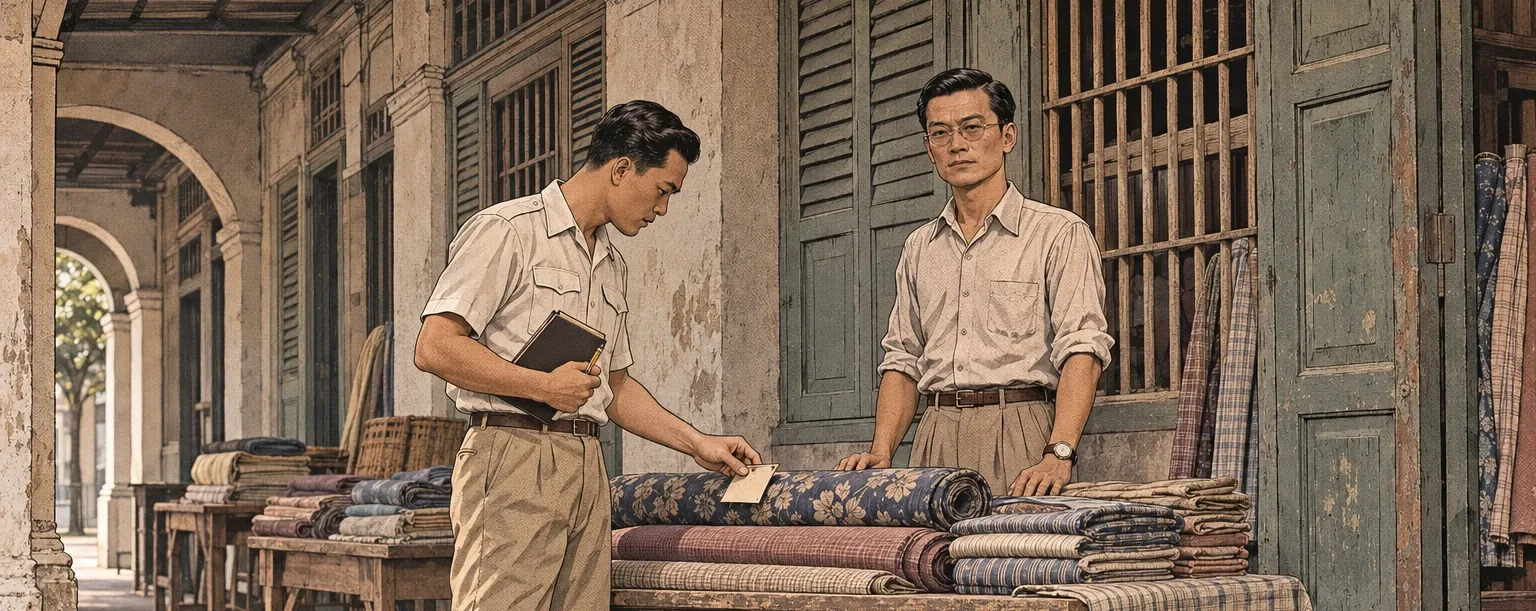
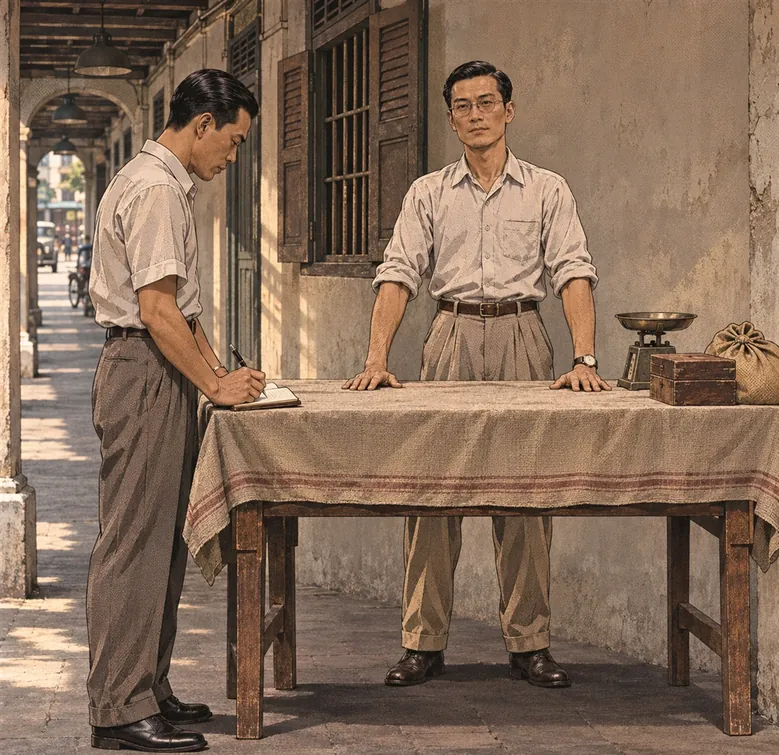
| Tan Cheng Huat | A price-control inspector writes him down for cloth above the posted price. | yes | 14% |
| Tan Mei Lin | The rice queue in the lane before light. | rice queues | 16% |
| Tan Cheng Huat | A prepaid consignment never arrives; a new column in the ledger. | bad news | 11% |
| Lim Swee Neo | A long-delayed letter about her people: neither what she hoped nor what she feared. | kin news | 9% |
| Tan Cheng Huat | His table does well as the ships and stock come back. | yes | 49% |
| Lim Swee Neo | She sews little and stops looking for more. | no | 70% |
| Tan Mei Lin | A quiet year at home: characters drawn on the floor for her mother. | quiet | 34% |
| Tan Mei Lin | No serious illness for Mei Lin. | no | 98% |
| Tan Mei Lin | Prices and shortages, but the household is not squeezed further. | no | 88% |
| Tan Mei Lin | Mei Lin alive at the year's end. | no | 99% |
| Tan Cheng Huat | Cheng Huat is not seriously ill. | no | 95% |
| Tan Cheng Huat | Cheng Huat survives the year. | no | over 99% |
| Lim Swee Neo | Swee Neo is not seriously ill. | no | 93% |
| Lim Swee Neo | Swee Neo alive at the year's end. | no | over 99% |
Chances are the simulation's model assumptions, not historical statistics.
Show as a table
| Year | Household a month | Peer median | Multiple |
|---|---|---|---|
| 1941 | $504 | $42 | 12.0× |
| 1942 | $82 | $42 | 2.0× |
| 1943 | $148 | $42 | 3.5× |
| 1944 | $204 | $42 | 4.9× |
| 1945 | $815 | $120 | 6.8× |
| 1946 | $1,114 | $150 | 7.4× |
Nominal dollars; the engine's model estimate, the same figure as each issue's money line.
The chapter in prose
1946: The Front Room School
In 1946, the first full year of peace, six-year-old Mei Lin starts school in a neighbour's front room. Tan Cheng Huat's trade grows, but he does not manage to reopen a proper firm, is fined by a price-control inspector, and loses a consignment he had already paid for. Lim Swee Neo queues for rice, sews little, and receives news at last of a relative's household. Nobody in the family is seriously ill.
The Front Room School
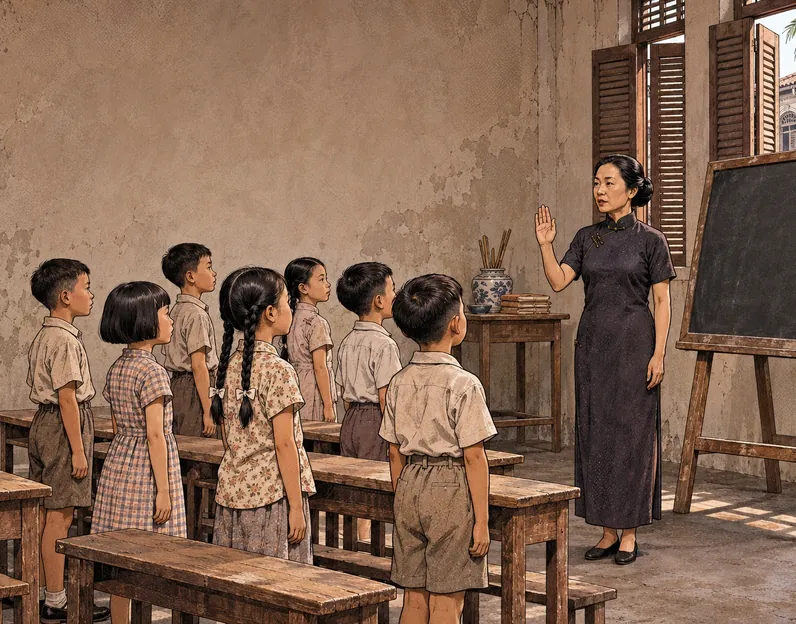
The school was not in a school. It was in the front room of a house three doors down, in a street whose shophouses still had shell-marks on the plaster, and it was run by a teacher who had taught before the war and had been, the street said, a clerk in the Occupation. Nobody asked her about that. She had thirty children on benches and a blackboard borrowed from a church. The first week she taught them to stand and say good morning.
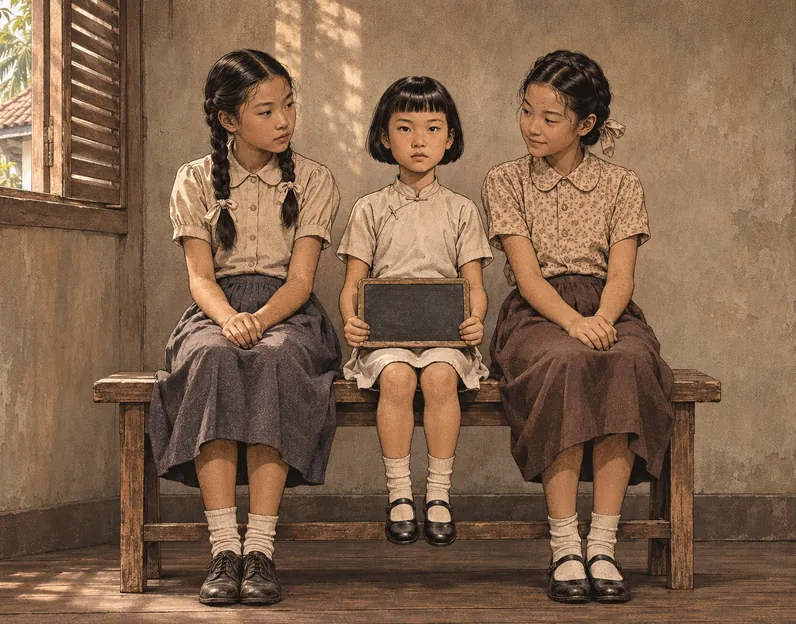
Mei Lin was six, and could write her own name. She was the smallest girl in her row. Her mother walked her to the door on the first morning, in a clean tunic that had been let out at the hem, and stood in the lane until the door closed behind her.
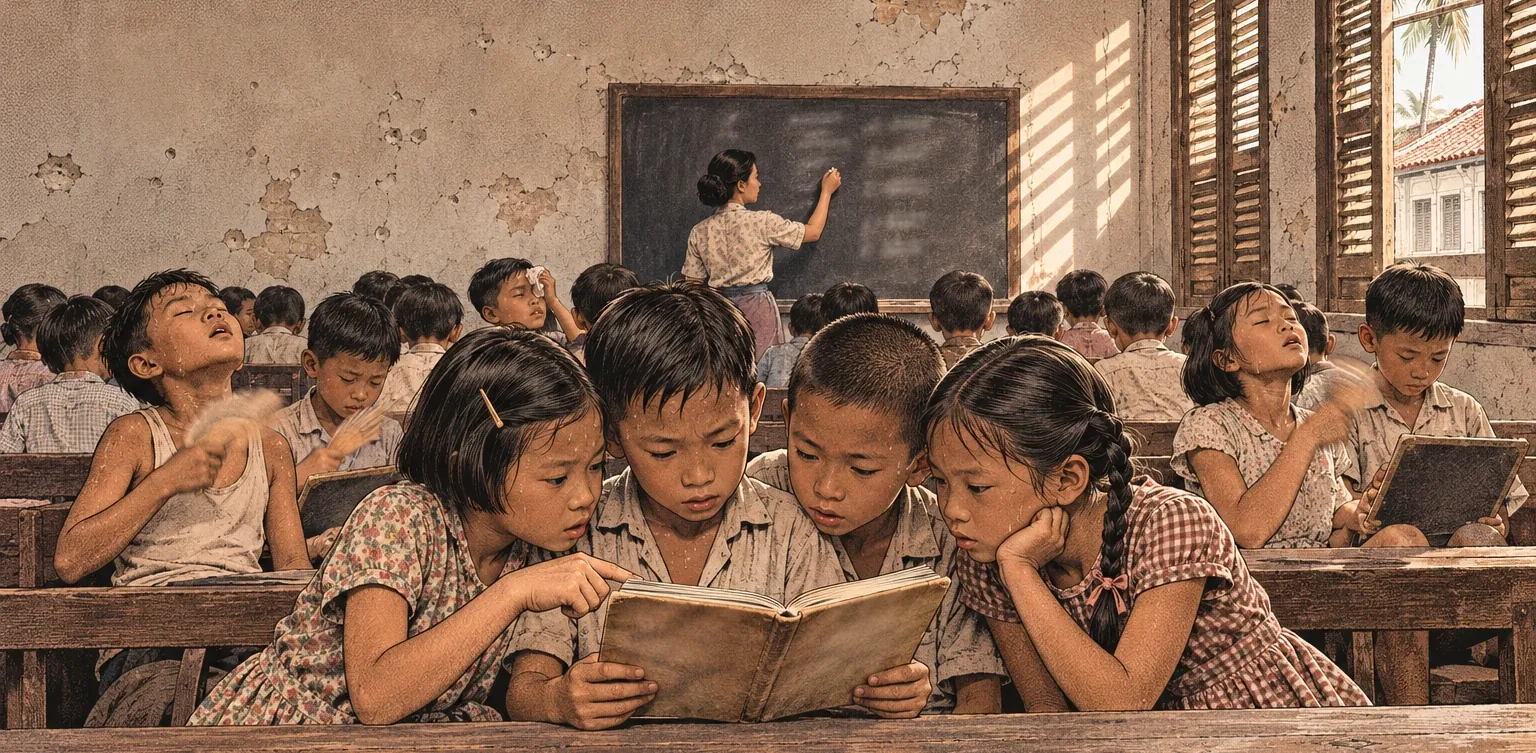
It was not a good school. The room was hot. The slates were cracked, and there was one book for four children. But there was a teacher who knew her sums, and a row of children who were also learning to sit still, and at home she sat in the evenings with a small stick in her hand and drew the characters on the floor and explained them to her mother. Swee Neo, who knew them, listened and nodded and let her.
Mei Lin did not know she was lucky. She knew the girl next to her had a ball.
The Rice Queue
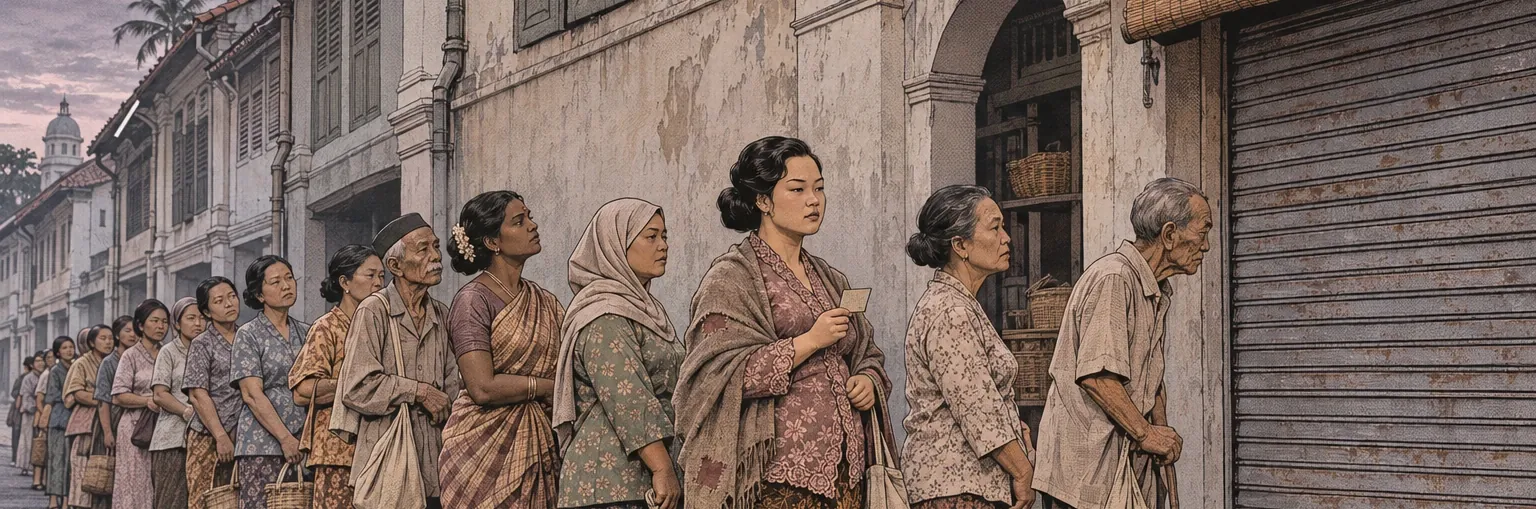
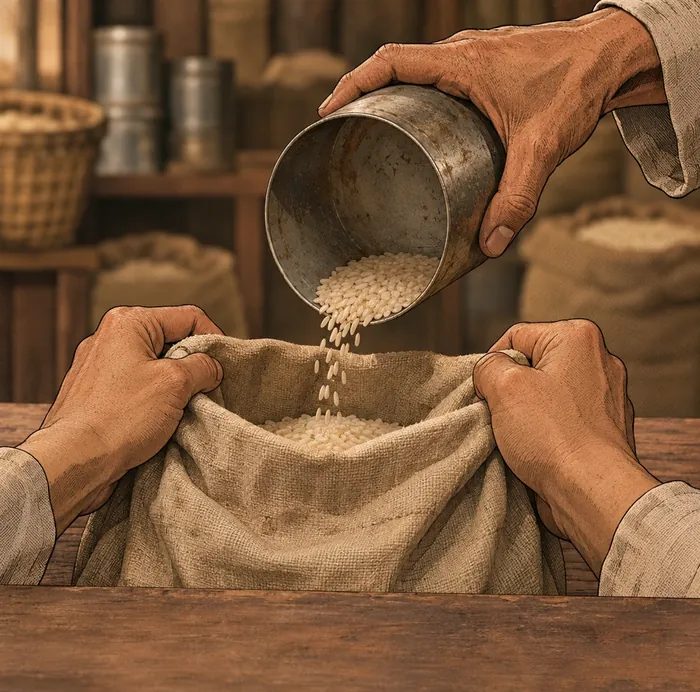
Rice was still on the ration. It came by the week, in a measure that was never quite what the card said, and the queue for it formed in the lane before light. Swee Neo stood in it most weeks, in a borrowed shawl, with the card in her hand. She was not strong enough to carry the sack home. A boy from the next house did it for her, for a coin, and she did not tell Cheng Huat how much she was paying him.
She sewed little that year. People still brought her hems and she did them, but she had stopped looking for more. When her wrist hurt she put the work down, and when the work was down the afternoon was long.
The letter came in the autumn, carried from the harbour by someone who had known someone who knew her people. It had been a long while on the way. She read it twice, standing in the doorway to catch the light. She told Cheng Huat about it that evening, but not all of it, and not in the order it was written. It was not the news she had waited for, and it was not the news she had feared. It was somewhere in between, and she did not have a name for that.
The Inspector
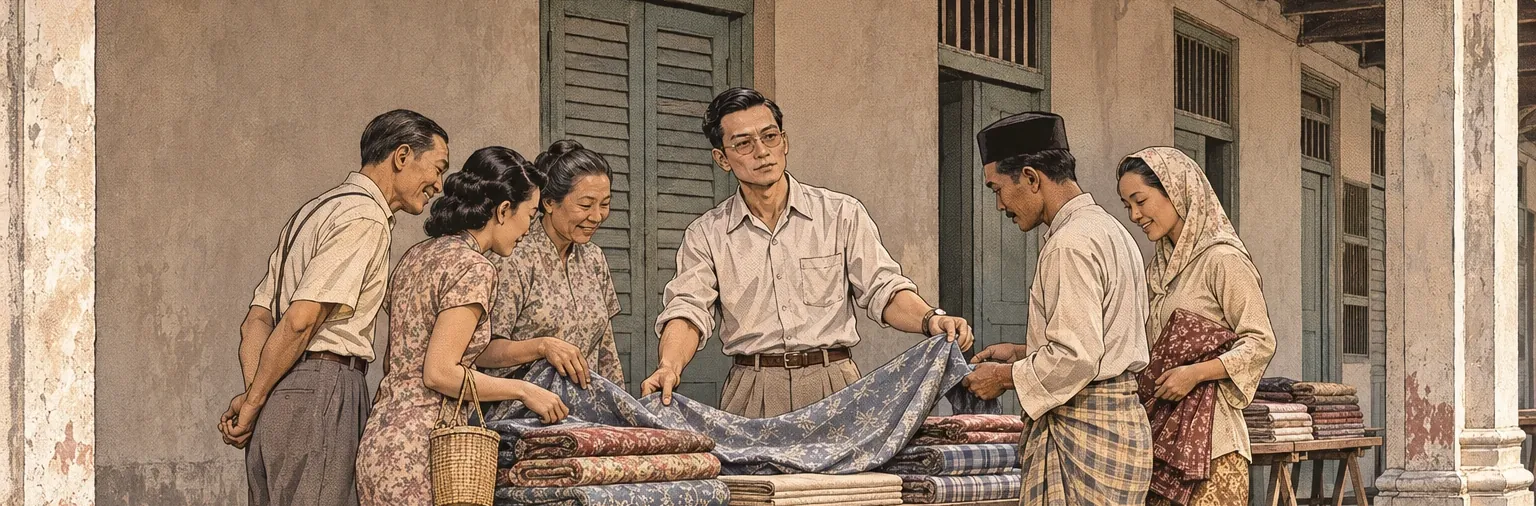
Cheng Huat's table did well that year, and he wanted more than a table. He spent the spring calling on the men who might lend against a name and a ledger: agents of the ships, the old suppliers who had come back. They were polite. They said they would consider it, and the answer, when it came, was the same each time: not yet. The name he had built had been put to sleep in 1942, and no one yet knew whether it would wake. He went on selling across the table.
In the summer an inspector from the price-control office came down the row, with a book and a pencil. He stopped at the table. The cloth was priced a little above the posted figure, as everyone's was, because the posted figure was a fiction. Cheng Huat, who had been very careful about the fiction for four years, said nothing. The inspector wrote it down. The fine was not large. What it cost him was the idea that he was a man who did not get fined.
In the autumn he paid in advance for a consignment that never arrived. It had gone on a ship, or it had not gone on a ship; the agent at the other end did not reply. He wrote the sum into the book in a new column, headed with the word he had once used only for other people's accounts, and drew a line under it.
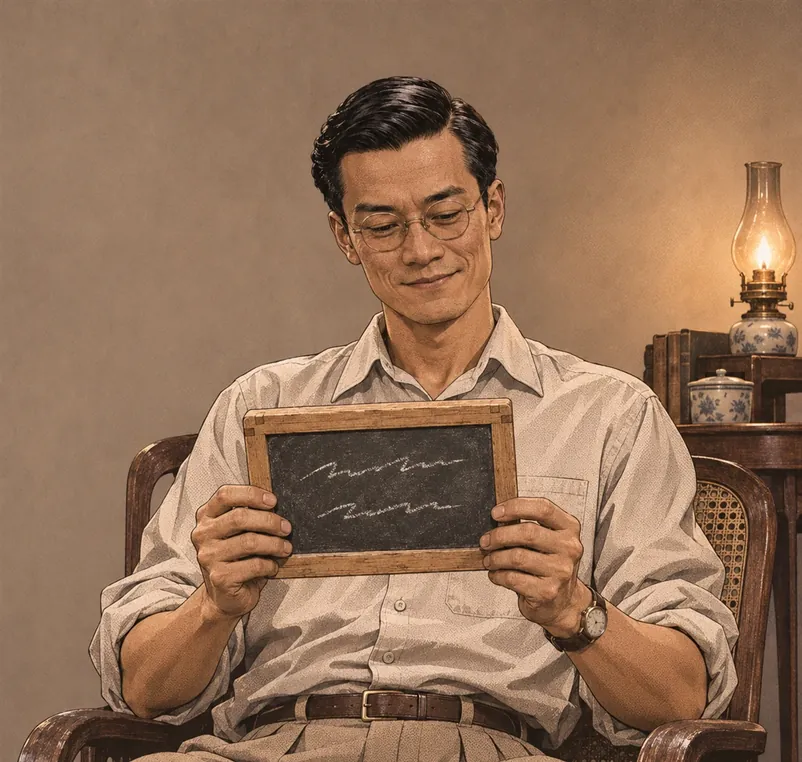
On the last night of the year Mei Lin wrote her name on the slate, in Chinese, and then, because the teacher had told her to practise, in the other script as well. She showed it to her father. He looked at it for a long time, and said it was well done, and meant it.