In 1950 the Korean War boom reaches Tan Cheng Huat's table at last. His trade rises with it, and with credit from a backer he reopens a proper firm under the old name. Once word gets round, poorer relatives and old acquaintances come asking for money. Ten-year-old Mei Lin's teacher tells her parents she should be somewhere better, and a place at a better school comes through her father's connections; she moves after the June holidays. Lim Swee Neo is taken to a good doctor in town for the first time since the war. In December the riots shut the island under curfew, but the trouble does not come near the house. Nobody in the family is seriously ill.
A work of fiction set in real history. The characters are invented; the historical events are real and sourced.
In 1949 nine-year-old Mei Lin has an ordinary school year and takes on small chores at home while her mother is unwell. A fire burns out a crowded block nearby and the street turns out with buckets. Tan Cheng Huat's trade stalls for a third year, no credit comes for a proper firm, and the years of hunger leave him tired and thin. Lim Swee Neo sews little and the year passes quietly for her. Nobody in the family is seriously ill.

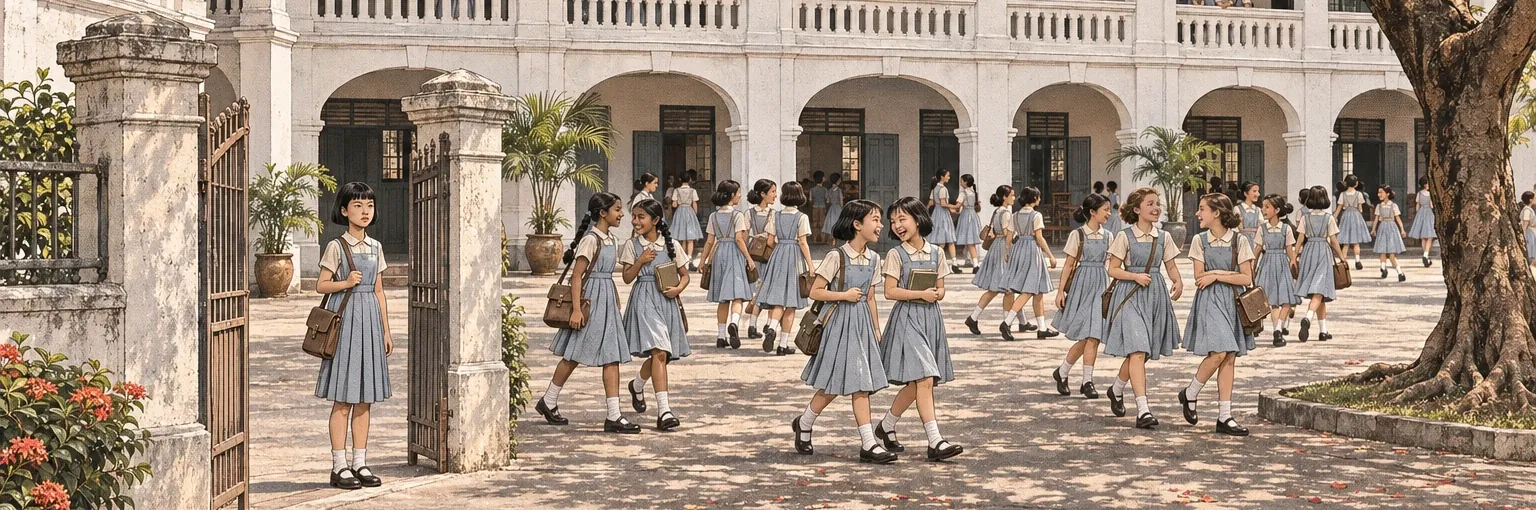
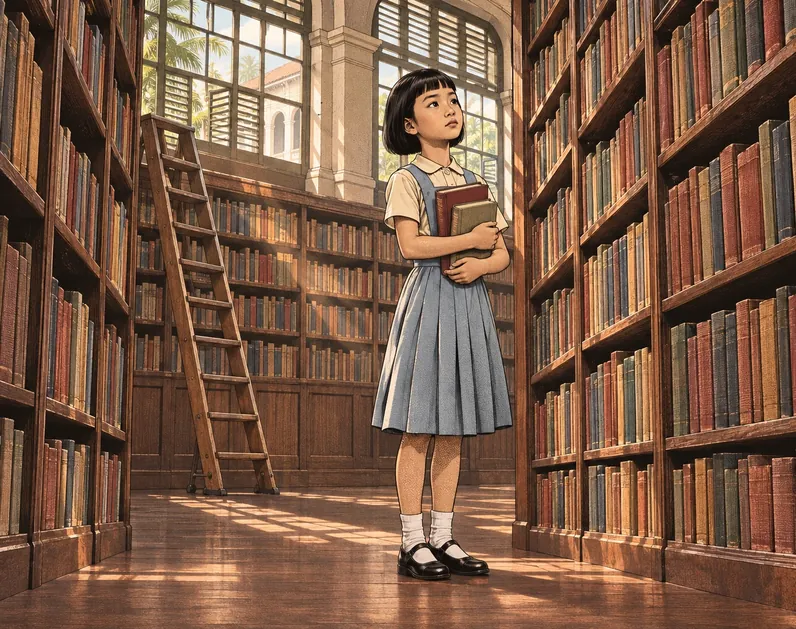
the child of the house, bound for a better school
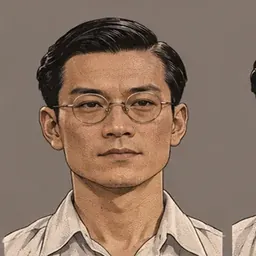
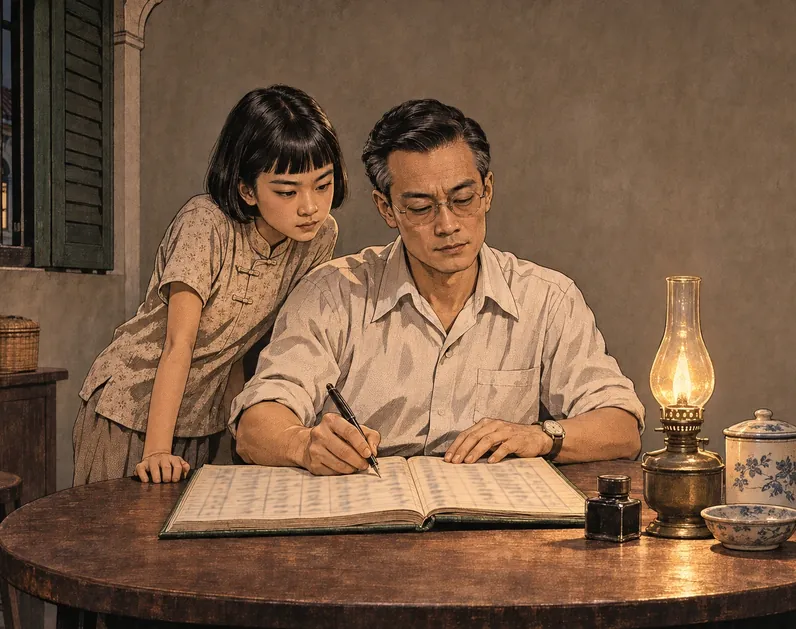
her father, reopening the family firm
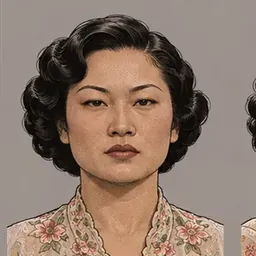
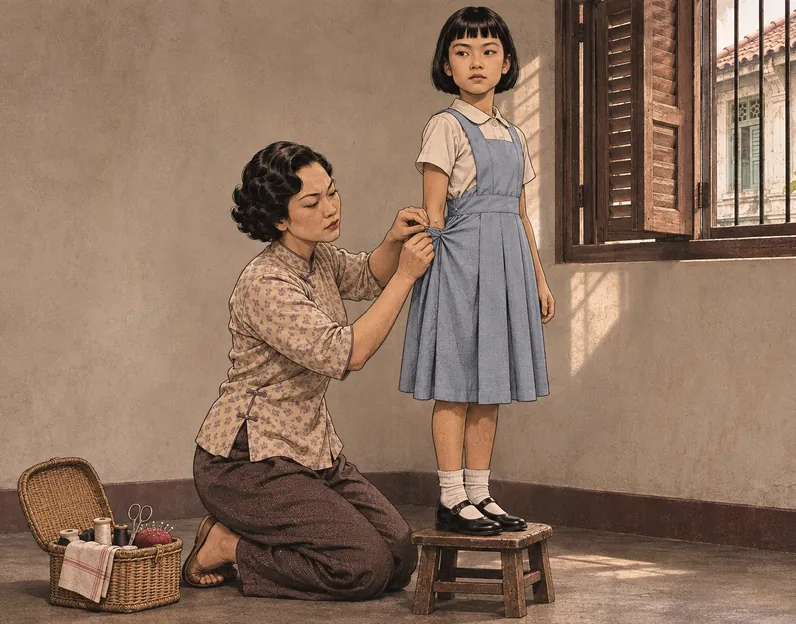
her mother
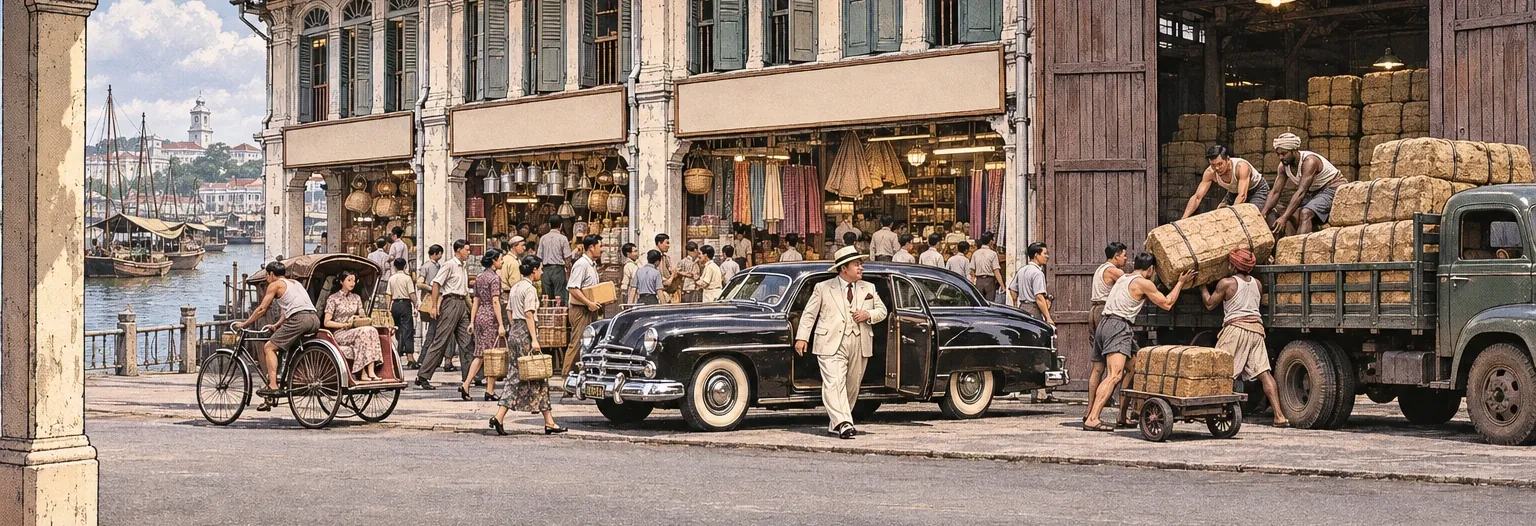
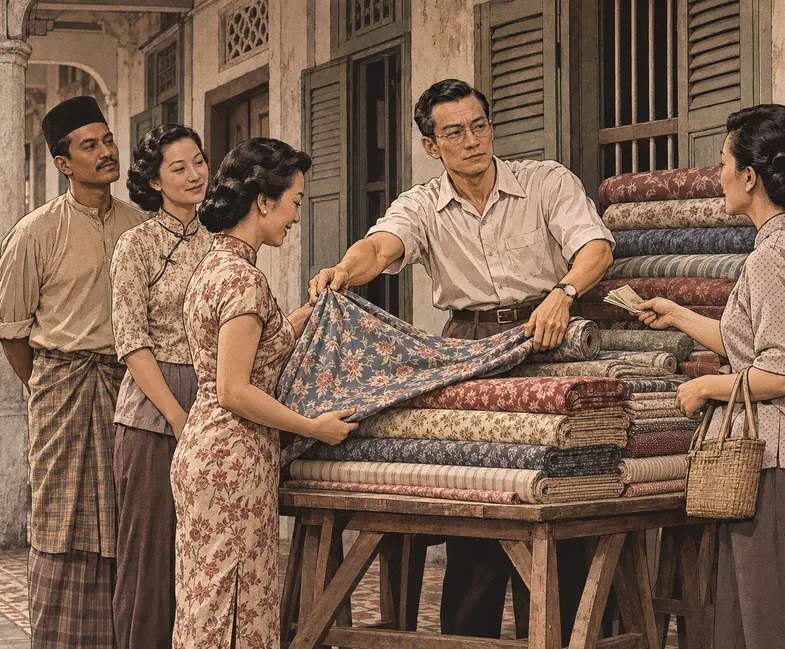
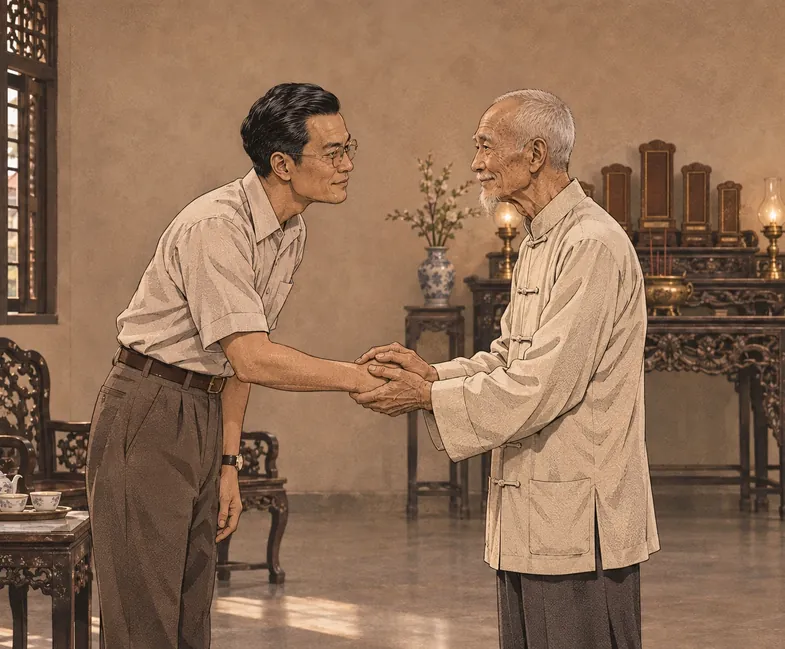
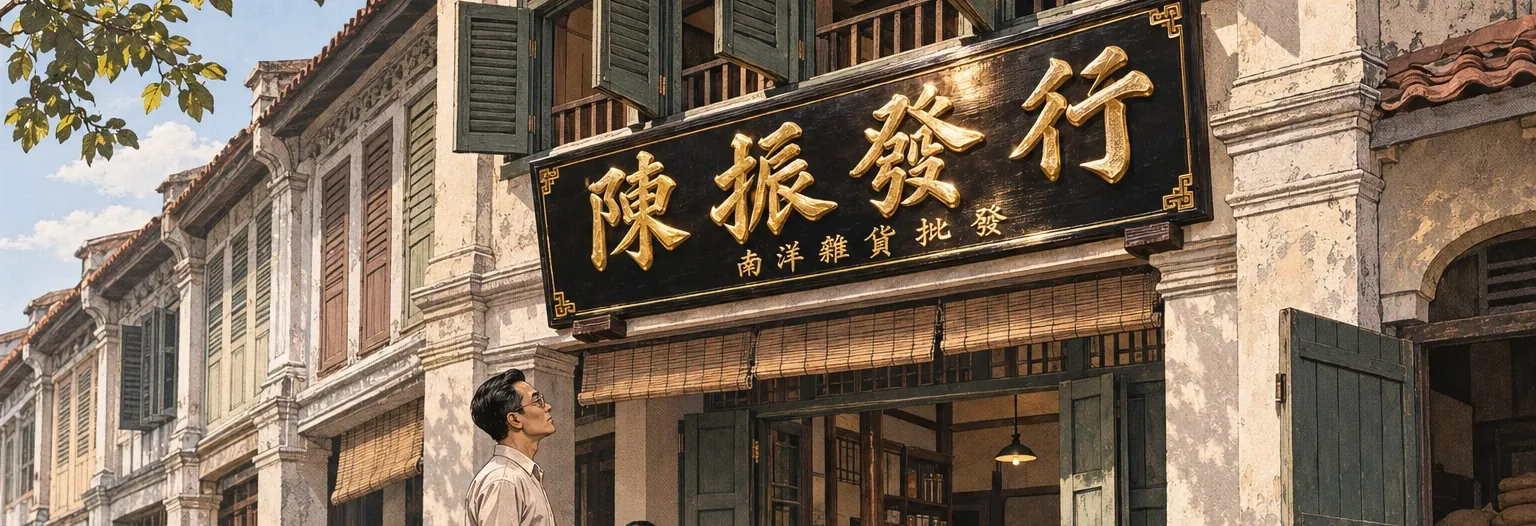
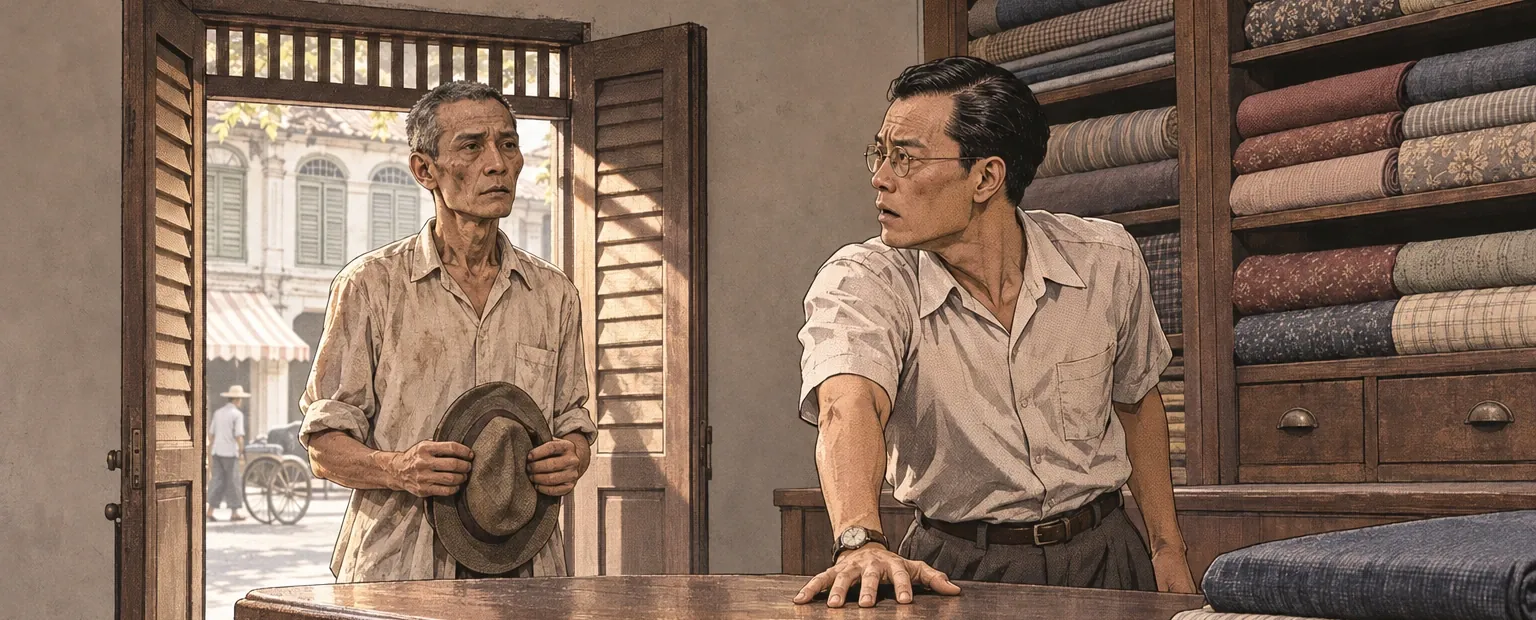
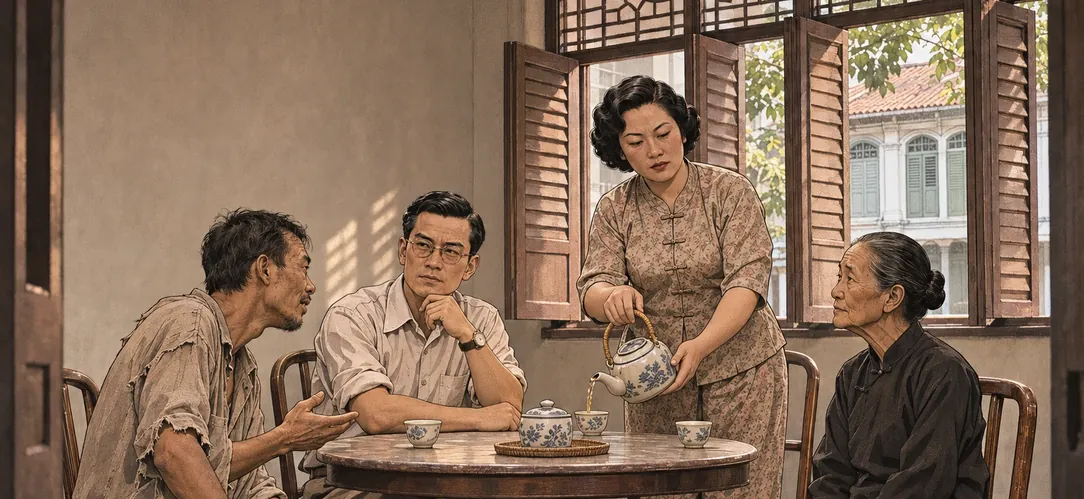
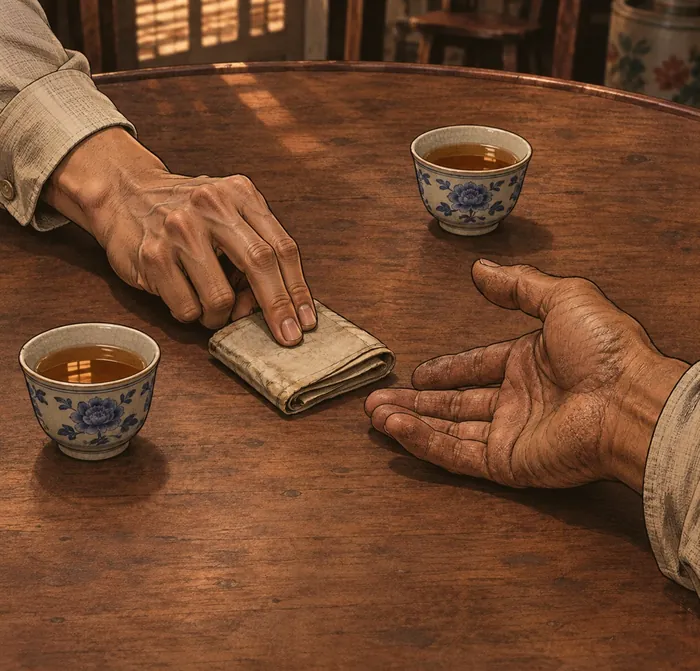
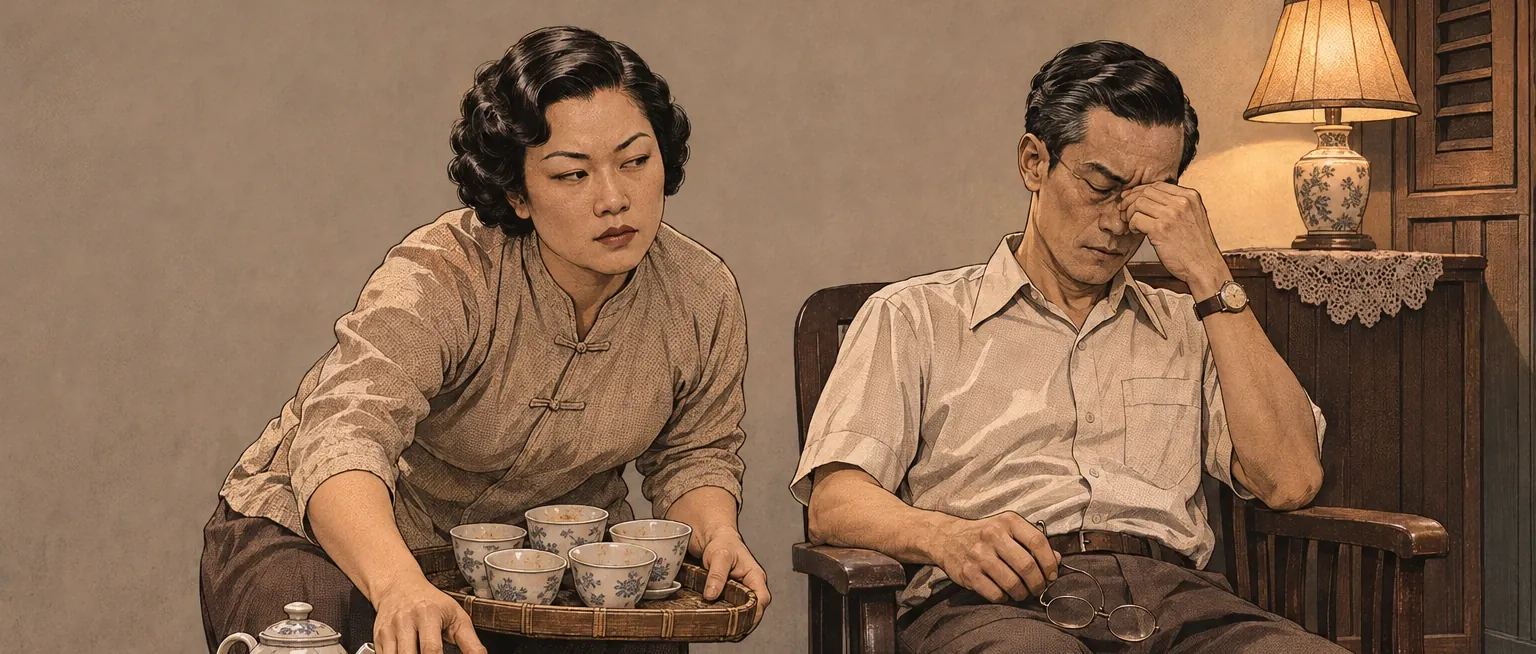
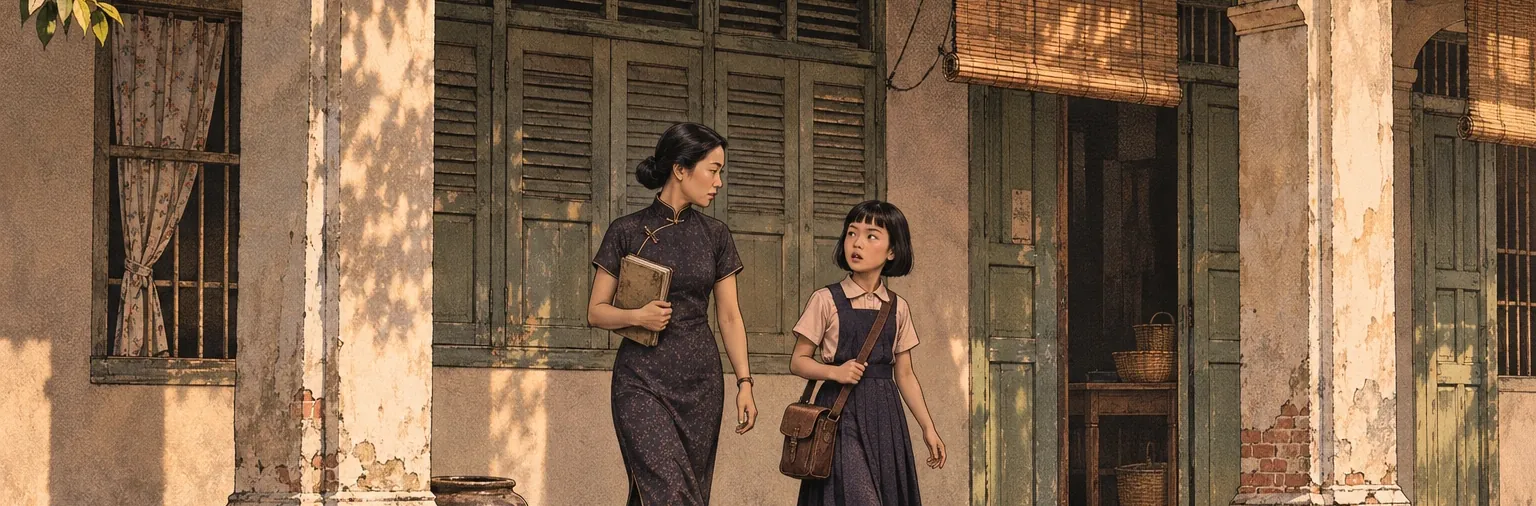
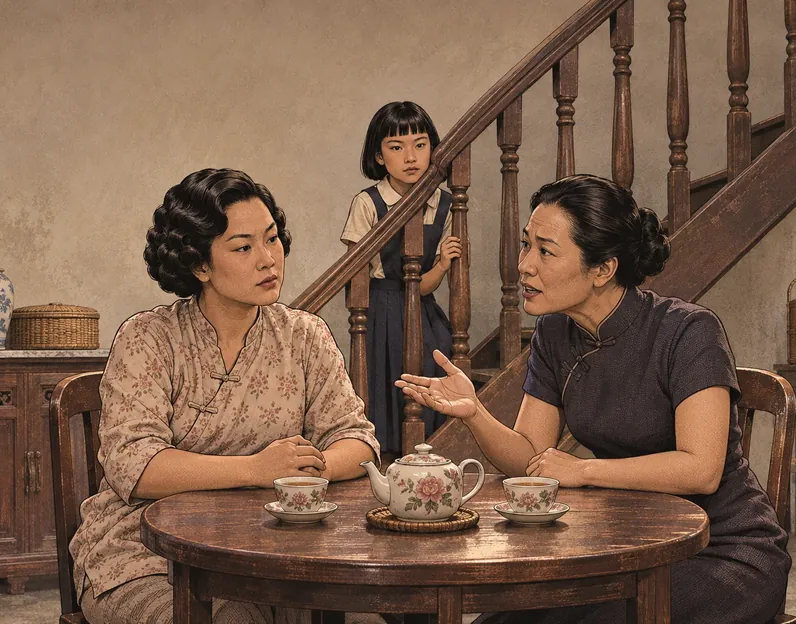

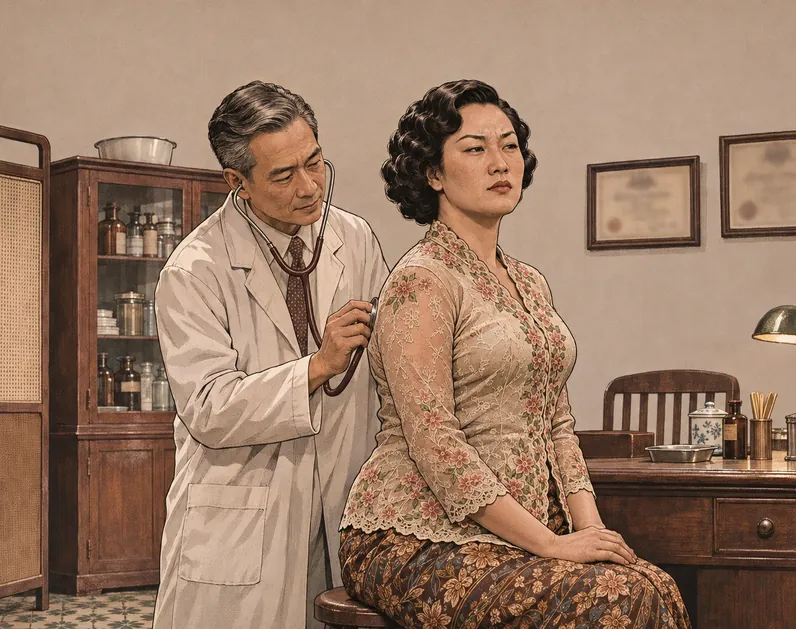
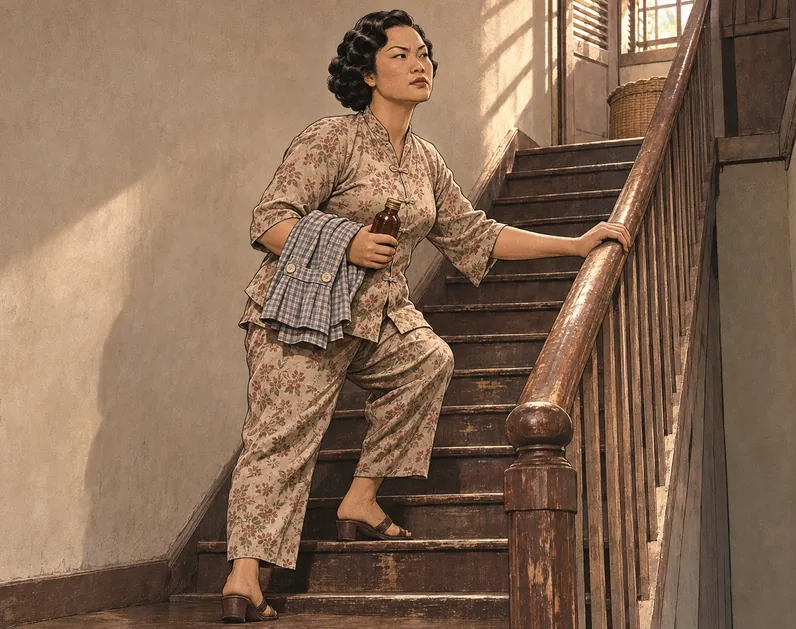
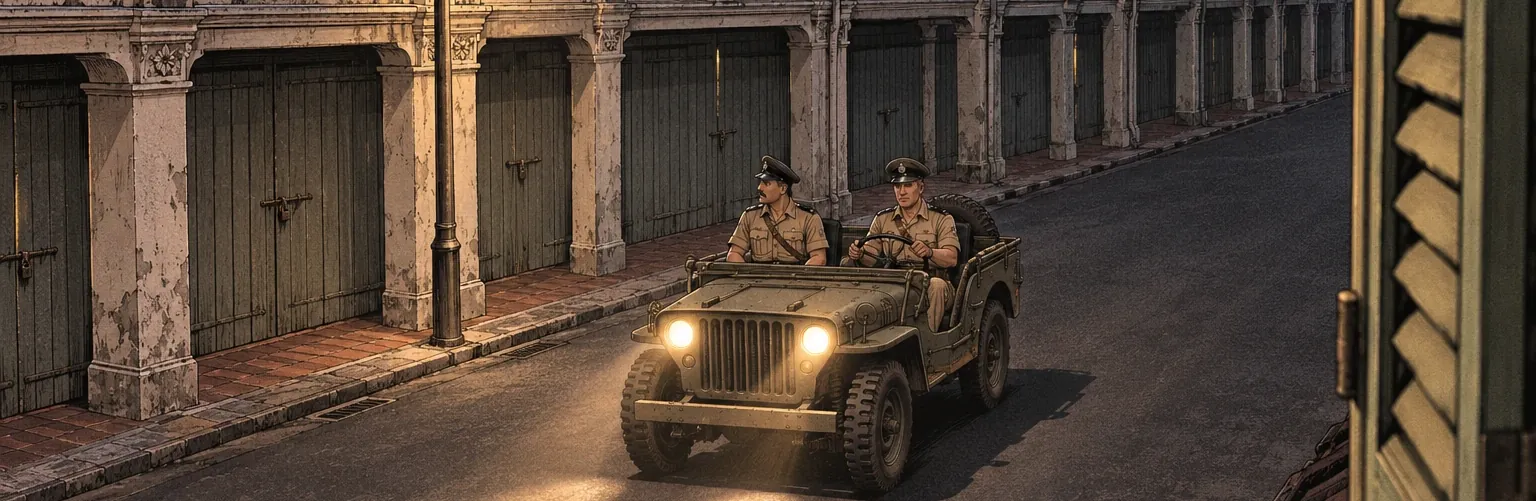
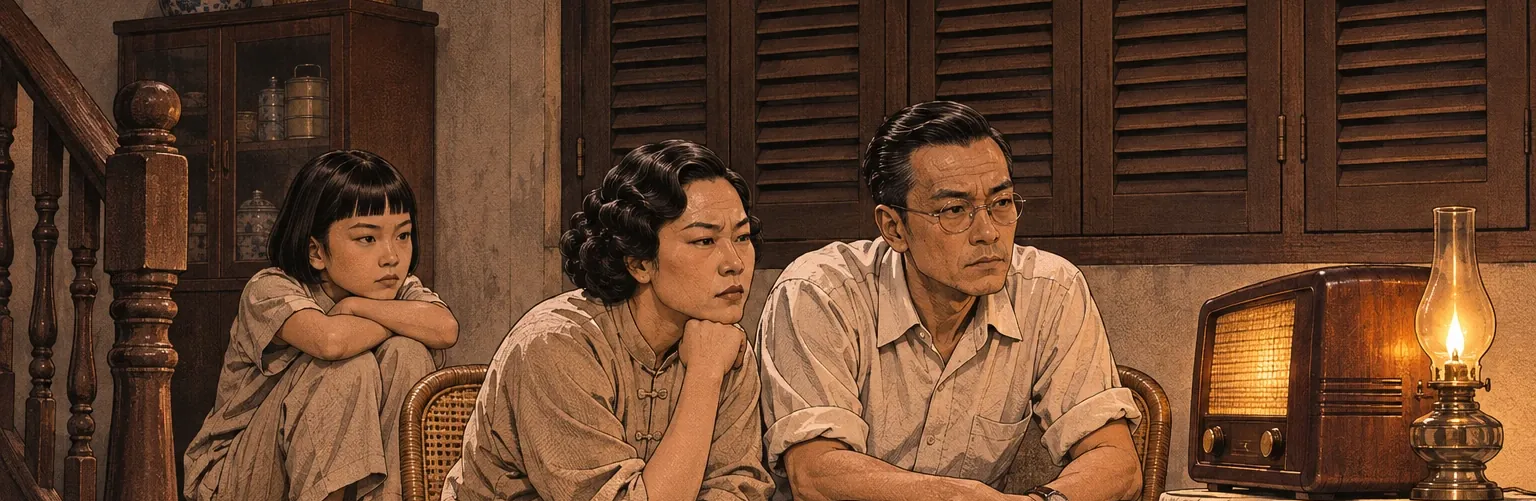
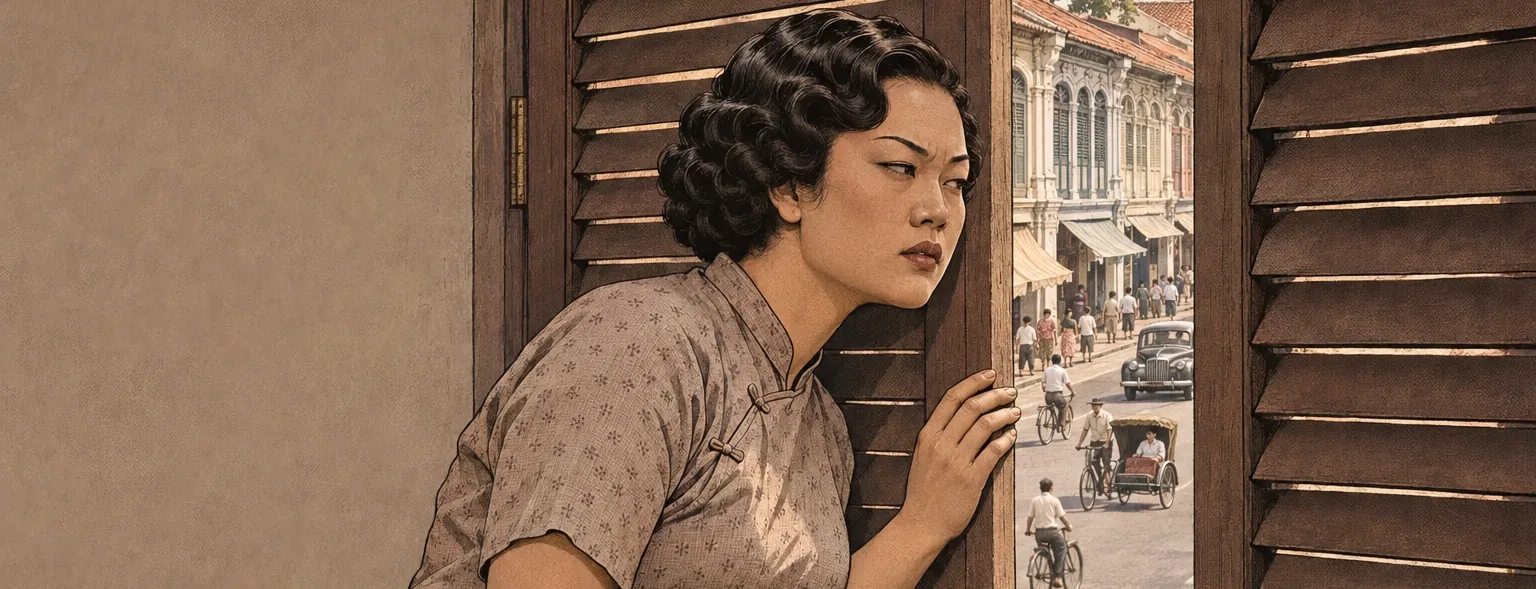
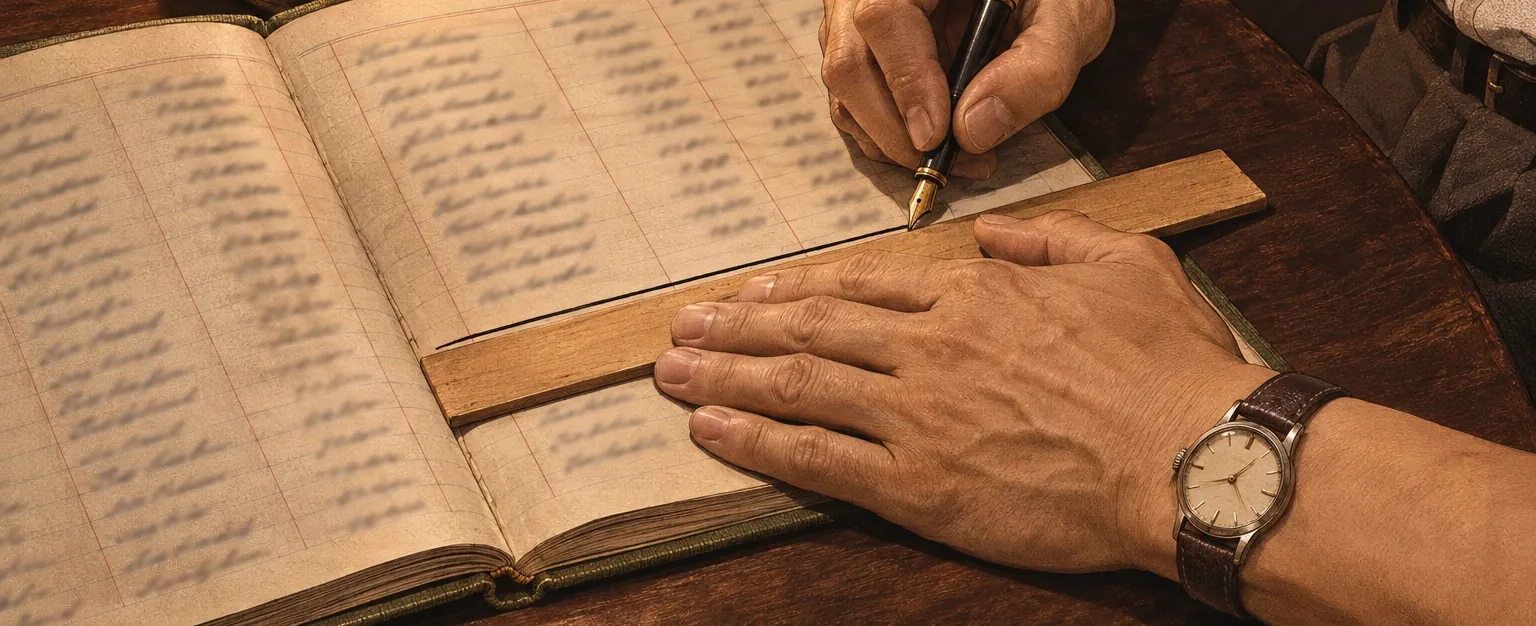
Singapore in 1950 is a Crown Colony in the third year of the Malayan Emergency; the Briggs Plan begins resettling squatters in Malaya, and police searches and detentions continue in Singapore.
Behind the dice How likely was each thing that happened? (Spoilers)
Nothing in The Dice Decides is chosen by a writer. Each person's year is a set of rolls, weighted by their stats and their times; the story is written afterwards to fit what the dice decided.
| Who | What the dice decided | Result | Chance |
|---|---|---|---|
| Tan Mei Lin | A place at a girls' school in town through her father's connections. | better school | 20% |
| Tan Mei Lin | She goes after the June holidays, in a pinafore taken in twice. | yes | 80% |
| Tan Cheng Huat | The Korean War boom reaches his table at last. | yes | 58% |
| Tan Cheng Huat | A clan backer's credit; premises and the old name on a signboard. | yes | 52% |
| Tan Mei Lin | The front-room teacher walks her home and says she is quick. | teacher notices | 18% |
| Tan Cheng Huat | Sunday visitors, tea, and what they need. | asked for money | 11% |
| Lim Swee Neo | The doctor in town: the body keeps the account of hunger. | good doctor | 15% |
| Tan Mei Lin | The riots do not come near the house; the radio and the curfew hours. | no | 95% |
| Tan Cheng Huat | The clerk given up for dead asks if there is work. | good news | 8% |
| Tan Mei Lin | Boom prices cost more every month, and the house pays without noticing. | no | 88% |
| Tan Mei Lin | Not first in anything at the new school; the library instead. | no | 34% |
| Tan Mei Lin | She is not put to work. | none | 82% |
| Lim Swee Neo | No sewing for money; she sews for Mei Lin. | no | 72% |
| Tan Mei Lin | An ordinary year; the ledger read over her father's shoulder. | quiet | 28% |
| Tan Mei Lin | The household is overlooked by the worst of the year. | quiet | 14% |
| Lim Swee Neo | A quiet year; she can climb the stairs without stopping. | quiet | 29% |
| Tan Mei Lin | No serious illness for Mei Lin. | no | 99% |
| Tan Mei Lin | Mei Lin survives the year. | no | over 99% |
| Tan Cheng Huat | No serious illness for Cheng Huat. | no | 97% |
| Tan Cheng Huat | Cheng Huat survives the year. | no | over 99% |
| Lim Swee Neo | No serious illness for Swee Neo. | no | 95% |
| Lim Swee Neo | Swee Neo survives the year. | no | over 99% |
Chances are the simulation's model assumptions, not historical statistics.
Show as a table
| Year | Household a month | Peer median | Multiple |
|---|---|---|---|
| 1941 | $504 | $42 | 12.0× |
| 1942 | $82 | $42 | 2.0× |
| 1943 | $148 | $42 | 3.5× |
| 1944 | $204 | $42 | 4.9× |
| 1945 | $815 | $120 | 6.8× |
| 1946 | $1,114 | $150 | 7.4× |
| 1947 | $1,094 | $155 | 7.1× |
| 1948 | $1,072 | $160 | 6.7× |
| 1949 | $1,051 | $165 | 6.4× |
| 1950 | $1,691 | $170 | 9.9× |
Nominal dollars; the engine's model estimate, the same figure as each issue's money line.
The chapter in prose
1950: The Old Name
In 1950 the Korean War boom reaches Tan Cheng Huat's table at last. His trade rises with it, and with credit from a backer he reopens a proper firm under the old name. Once word gets round, poorer relatives and old acquaintances come asking for money. Ten-year-old Mei Lin's teacher tells her parents she should be somewhere better, and a place at a better school comes through her father's connections; she moves after the June holidays. Lim Swee Neo is taken to a good doctor in town for the first time since the war. In December the riots shut the island under curfew, but the trouble does not come near the house. Nobody in the family is seriously ill.
The Old Name
The war in Korea began in June, very far away, and by August the price of rubber had doubled and was still going. Money ran down from the estates and the trading houses into every street of the town. Men who had sold from a box in 1946 bought motorcars. Shophouses that had stood empty since the Occupation were let in a week.
This time the boom did not pass Cheng Huat by. Cloth sold as fast as he could get it, at prices that rose month by month, and the old customers came back, and new ones with them who had money and did not ask what things cost. For the first time since the surrender the figures in the green ledger grew from one page to the next.
And the credit came. It was not the old acquaintance who had kept the matter "in hand" for a year. It was a man from his own clan association who had known his father, and who knew the family and what it had been before the war, and lent on that. By October there were premises, two rooms and a godown at the back, and a signboard with the old name on it, newly lettered. Cheng Huat stood in the road and looked at it for a long time before he went in.
There was a smaller piece of good news in the same month. A clerk who had kept the firm's books before the war, and whom Cheng Huat had long since given up for dead, walked into the new premises one morning, older and much thinner, and asked if there was work. There was.
Asked
Word that the firm had reopened went round faster than the firm's own customers. Before the year was out there were visitors in the front room most Sundays: a cousin of Cheng Huat's who had done badly since the war, a widow from his mother's village whose sons had not come back, men he had sold to before the war and had not seen since. They took tea, and talked about the old days, and came round in the end to what they needed.
He gave more often than he refused. He did not have the words to refuse well and he knew it, and a man with a signboard over his door could not plead poverty. Swee Neo kept a tally of it in her head and said nothing until the evening, when she said only that it was a great deal of tea.
The Better School
It was the teacher in the front room who began it. Early in the year she kept Mei Lin back one afternoon and walked her home, which she had never done, and sat with her mother over a cup of tea and said that the child was quick, quicker than she could teach, and that it would be a waste to keep her among the little ones reading the same primer.
Her mother told her father. Her father said nothing for several days and then mentioned it to the man from the clan association, as men in that position mentioned things to one another. A month later a place was offered at a girls' school in town with a proper building, a bell, a uniform and teachers who had been trained. The fees were not small. That year they could be paid.
Mei Lin went after the June holidays, in a new pinafore that her mother had sewn and then had taken in twice because it was not right. The first weeks were hard. The other girls had been there since they were six. She was not first in anything that year, and nobody at the new school noticed her particularly. But there was a library with more books in it than she had seen in one place, and she was allowed to take two home at a time.
At home it was an ordinary year. She turned ten. She was not put to work. On the days her father brought the ledger home she read the columns over his shoulder until he sent her to bed.
The Doctor in Town
In the spring Cheng Huat said that his wife should see a proper doctor, and this time he did not let her say it was nothing. They went together, in a trishaw, to a doctor with rooms in town who had studied abroad and charged accordingly. He listened to her chest for a long time, tapped her back, looked at her eyes and her nails and asked her a great many questions about the war, which she answered shortly.
He found nothing he would put a name to. He said she was run down, that the body kept the account of hunger long after the hunger stopped. He gave her a course of injections, a bottle of tonic with iron in it, and instructions about liver and eggs and rest, and asked to see her again in three months. She went back twice.
It helped. By the end of the year she could climb the stairs without stopping halfway. She did no sewing for money; there was no need of it now, and she sewed for Mei Lin instead. It was a quiet year for her otherwise, and she was glad of it.
Curfew
In December the courts gave a Dutch girl, raised by a Malay family, back to her parents, and the town broke open. For three days there were mobs in the streets, cars burned, Europeans and Eurasians pulled from buses; eighteen people died. The island was put under curfew.
The trouble did not come near the house. The family stayed indoors with the shutters closed and the radio on, and the new firm shut for three days. Mei Lin sat on the stairs and listened to the announcer read out the curfew hours. When it was over the street came out again as if nothing had happened, and it had not, to them; but her mother kept the shutters half-closed until after the New Year.
For all the boom, prices were not a hardship to that house. Rice and cloth cost more every month, and the household paid it without noticing.
On the last night of the year Cheng Huat brought the green ledger home from the new premises, opened it at the page he had started in 1949, and drew the line beneath it at last.