In 1951 the boom carries Tan Cheng Huat's firm through the spring and then breaks under him. He is caught holding cloth bought at the top of the market, and the year's gains go into the loss. Relatives keep coming to ask for money, and the losses and the giving lead to a hard quarrel at home. Lim Swee Neo starts keeping the firm's books with the old clerk, and keeps seeing the doctor. Eleven-year-old Mei Lin finds her feet at the girls' school and comes first in arithmetic at the year's end, though the other girls pass round a rumour about where her family's money came from. In September Singapore is made a city. Nobody in the family is seriously ill.
A work of fiction set in real history. The characters are invented; the historical events are real and sourced.
In 1950 the Korean War boom reaches Tan Cheng Huat's table at last. His trade rises with it, and with credit from a backer he reopens a proper firm under the old name. Once word gets round, poorer relatives and old acquaintances come asking for money. Ten-year-old Mei Lin's teacher tells her parents she should be somewhere better, and a place at a better school comes through her father's connections; she moves after the June holidays. Lim Swee Neo is taken to a good doctor in town for the first time since the war. In December the riots shut the island under curfew, but the trouble does not come near the house. Nobody in the family is seriously ill.

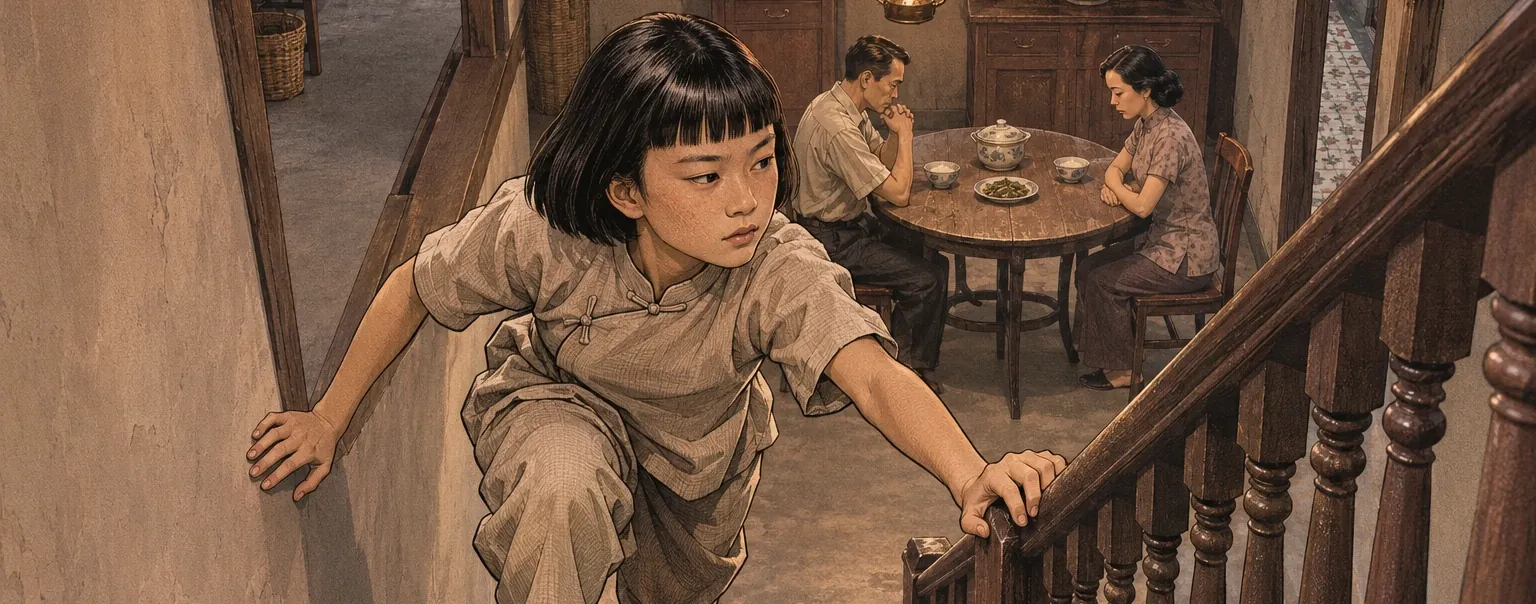
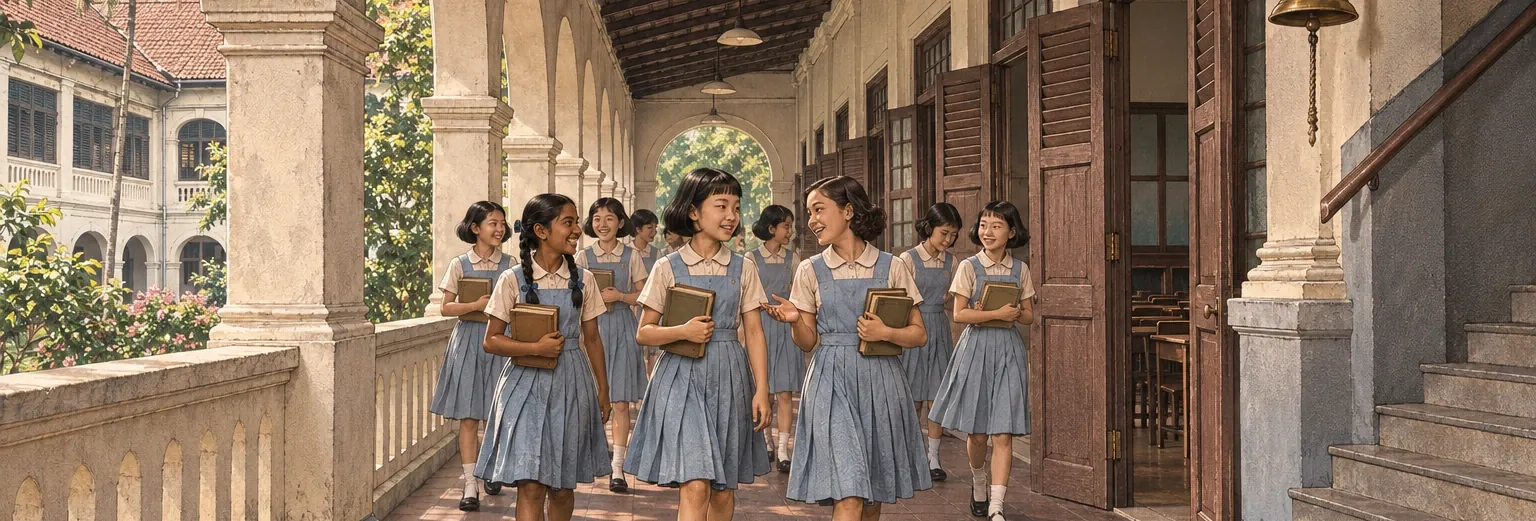
the child of the house, at a girls' school in town
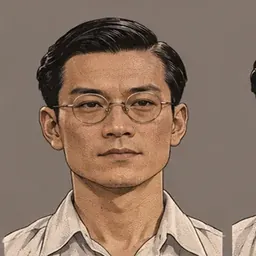
her father, a cloth merchant with a reopened firm
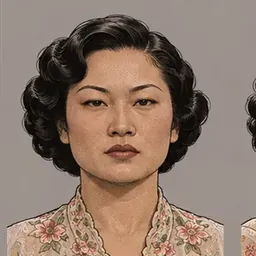
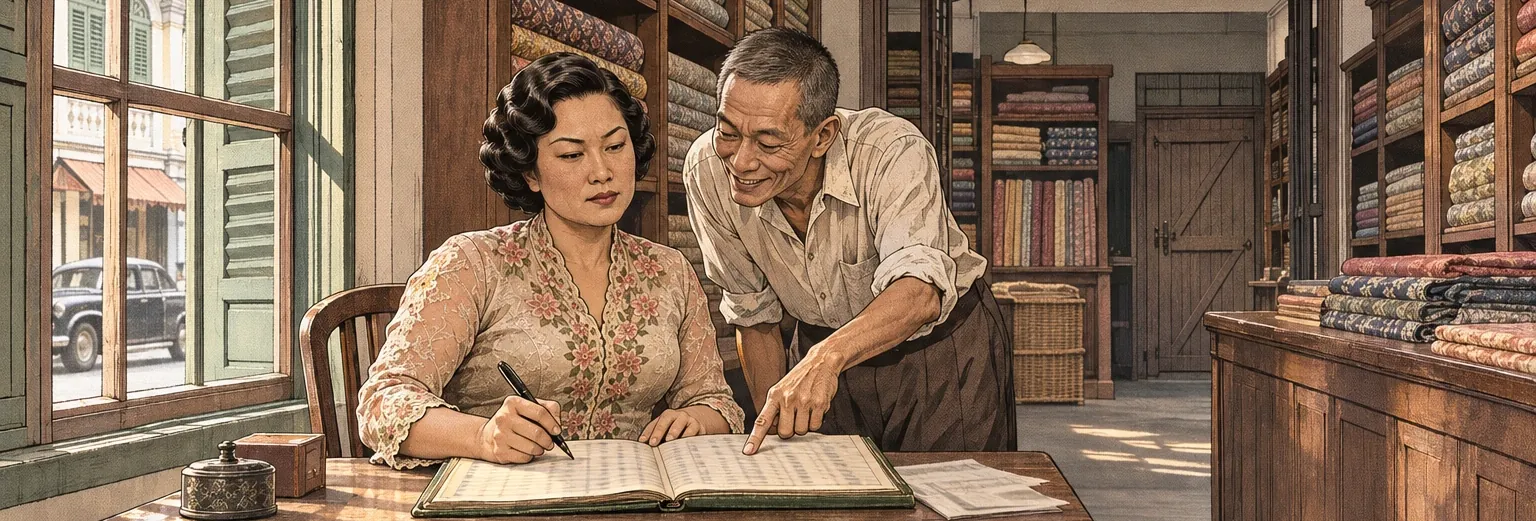
her mother
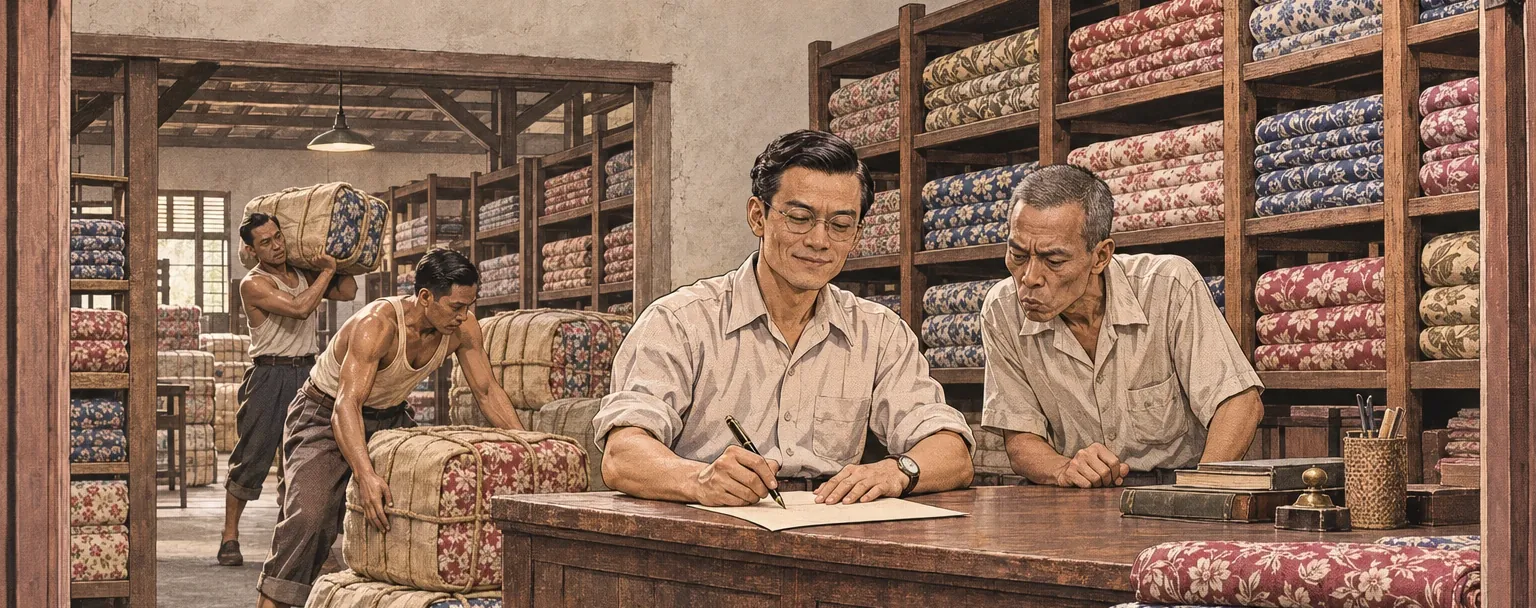
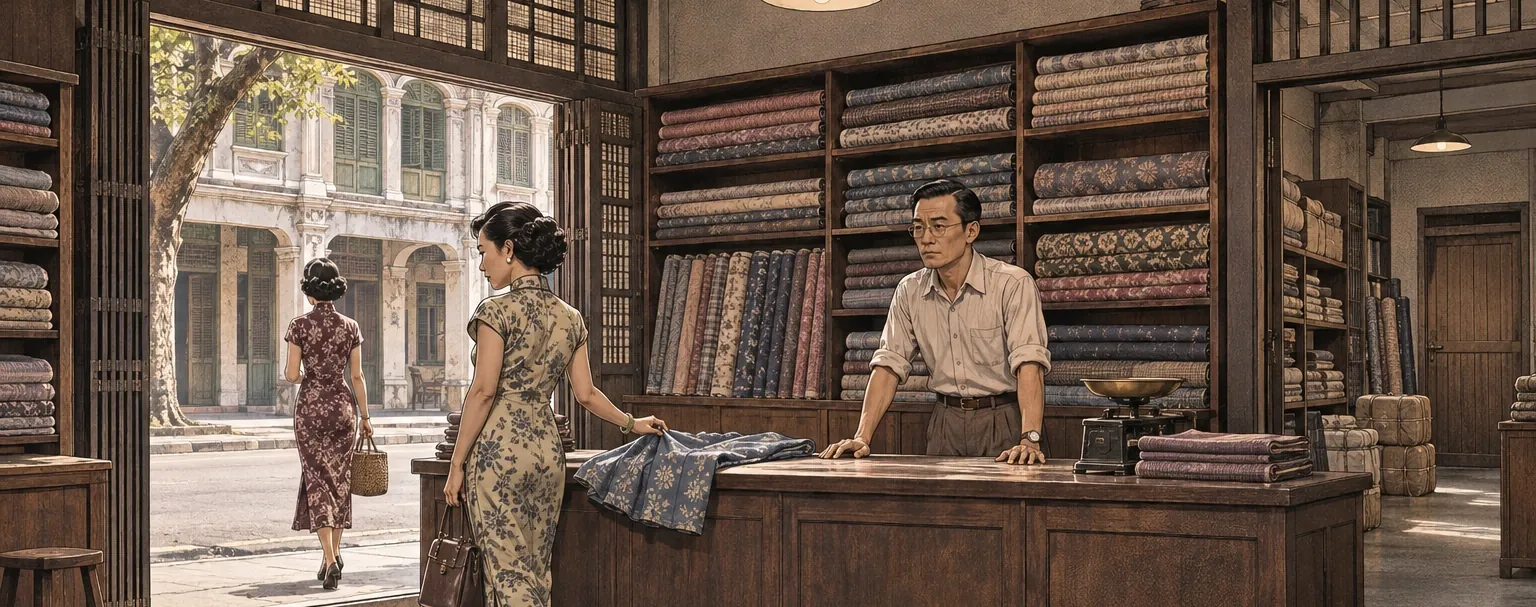



Singapore in 1951 is a Crown Colony in the fourth year of the Malayan Emergency. In October the High Commissioner, Sir Henry Gurney, is killed in an ambush in Malaya; searches and detentions continue in Singapore.
Behind the dice How likely was each thing that happened? (Spoilers)
Nothing in The Dice Decides is chosen by a writer. Each person's year is a set of rolls, weighted by their stats and their times; the story is written afterwards to fit what the dice decided.
| Who | What the dice decided | Result | Chance |
|---|---|---|---|
| Tan Mei Lin | First in arithmetic at the year's end. | yes | 69% |
| Lim Swee Neo | She starts keeping the firm's books with the clerk. | yes | 28% |
| Tan Cheng Huat | Caught holding cotton prints bought at the top; sold at a loss. | yes | 34% |
| Tan Mei Lin | The story that her father sold to the Japanese. | rumour | 14% |
| Tan Cheng Huat | The firm sells everything while the boom lasts. | yes | 59% |
| Tan Cheng Huat | More Sunday visitors after the bust; he gives. | asked for money | 11% |
| Tan Mei Lin | City Day: the Padang, the fireworks, the fish lantern. | city day | 18% |
| Lim Swee Neo | The worst quarrel since the war. | quarrel | 12% |
| Tan Mei Lin | The house feels the pinch of the year's high prices. | yes | 9% |
| Tan Mei Lin | She is not put to work. | none | 82% |
| Tan Mei Lin | Piano on Thursdays; the encyclopaedias read from A. | books and lessons | 22% |
| Lim Swee Neo | The doctor in town, a better tonic; she walks to the firm. | good doctor | 15% |
| Tan Mei Lin | A quiet year at home. | quiet | 28% |
| Tan Cheng Huat | The letter from Malacca, carried in his pocket. | kin news | 8% |
| Tan Mei Lin | No serious illness for Mei Lin. | no | 99% |
| Tan Mei Lin | Mei Lin survives the year. | no | over 99% |
| Tan Cheng Huat | No serious illness for Cheng Huat. | no | 97% |
| Tan Cheng Huat | Cheng Huat survives the year. | no | over 99% |
| Lim Swee Neo | No serious illness for Swee Neo. | no | 96% |
| Lim Swee Neo | Swee Neo survives the year. | no | over 99% |
Chances are the simulation's model assumptions, not historical statistics.
Show as a table
| Year | Household a month | Peer median | Multiple |
|---|---|---|---|
| 1941 | $504 | $42 | 12.0× |
| 1942 | $82 | $42 | 2.0× |
| 1943 | $148 | $42 | 3.5× |
| 1944 | $204 | $42 | 4.9× |
| 1945 | $815 | $120 | 6.8× |
| 1946 | $1,114 | $150 | 7.4× |
| 1947 | $1,094 | $155 | 7.1× |
| 1948 | $1,072 | $160 | 6.7× |
| 1949 | $1,051 | $165 | 6.4× |
| 1950 | $1,691 | $170 | 9.9× |
| 1951 | $1,753 | $175 | 10.0× |
Nominal dollars; the engine's model estimate, the same figure as each issue's money line.
The chapter in prose
1951: The Top of the Market
In 1951 the boom carries Tan Cheng Huat's firm through the spring and then breaks under him. He is caught holding cloth bought at the top of the market, and the year's gains go into the loss. Relatives keep coming to ask for money, and the losses and the giving lead to a hard quarrel at home. Lim Swee Neo starts keeping the firm's books with the old clerk, and keeps seeing the doctor. Eleven-year-old Mei Lin finds her feet at the girls' school and comes first in arithmetic at the year's end, though the other girls pass round a rumour about where her family's money came from. In September Singapore is made a city. Nobody in the family is seriously ill.
The Top of the Market
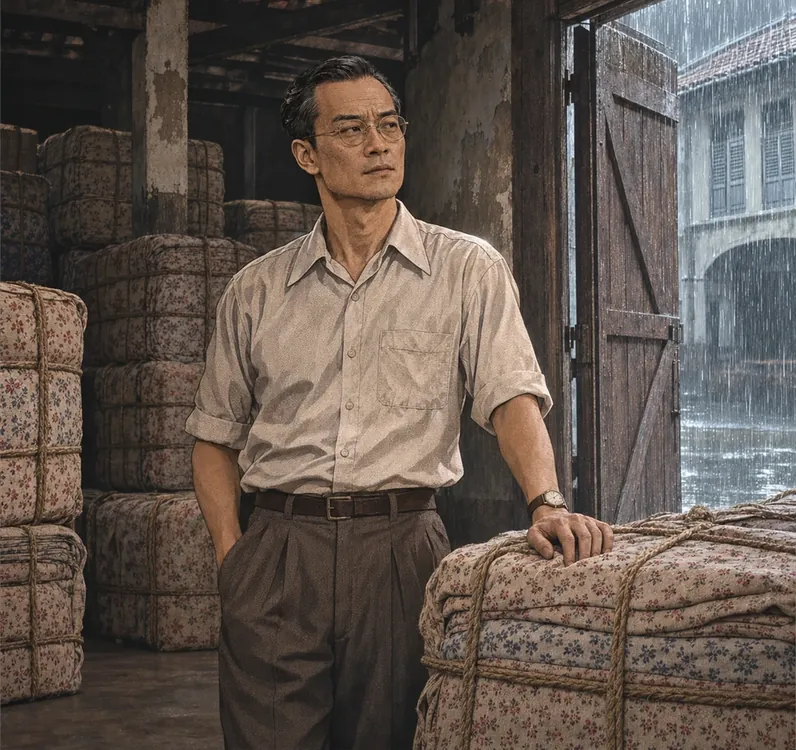
For the first months of the year the boom went on as if it would never stop. Rubber touched a price in February that nobody had seen in their lives, and the firm sold everything it could put on its shelves. Cheng Huat bought more. Everyone was buying more. He took a whole consignment of Japanese cotton prints in April, at a price that made the old clerk purse his lips, because the customers had been asking and the price would only go up.
It did not go up. In the middle of the year the Americans stopped buying rubber for their stockpile, and the price fell by half and kept falling, and the money that had run down into every street of the town ran back out again. The men with new motorcars sold them. The customers who had not asked what things cost now asked, and then did not buy. The cotton prints sat in the godown in their bales through the wet season while their price fell below what he had paid, and then well below it.
He sold in the end, in November, at a loss. The year's gains went into it, and more. The firm was not broken. It was not even in danger, said the clerk, who had seen worse in 1931. But it was smaller at the end of the year than he had meant it to be, and the house felt the pinch of the high prices early in the year more than it would have admitted.
Tea
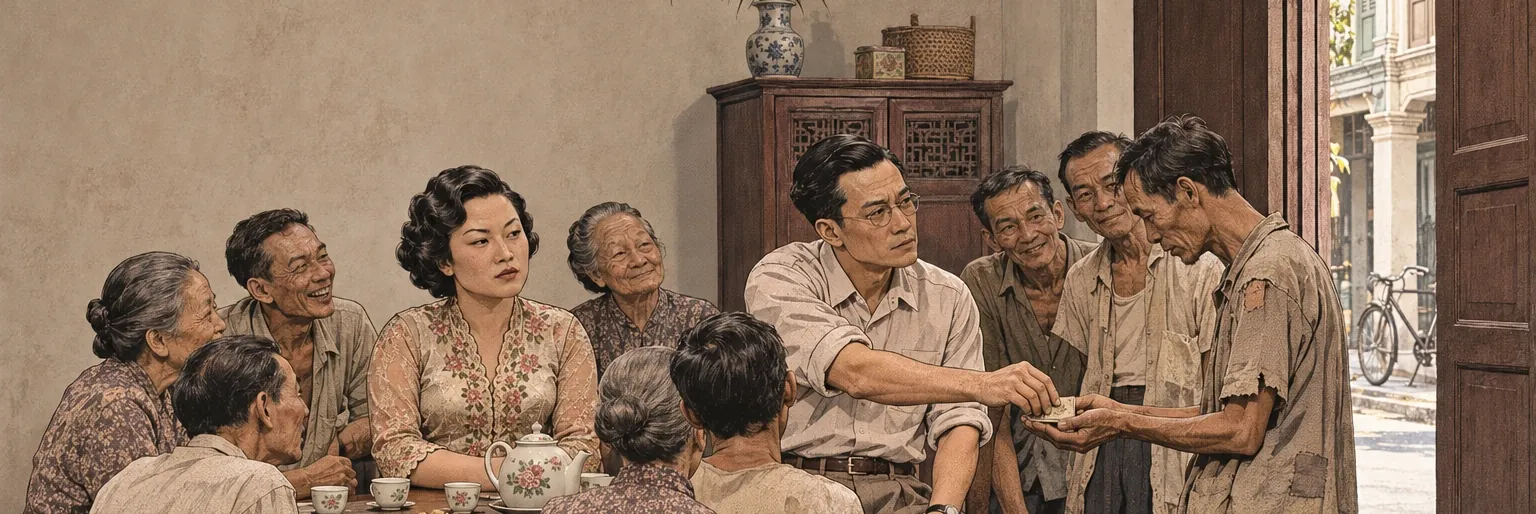
The Sunday visitors did not stop because the market had. If anything there were more of them, since the bust had hurt poorer men worse than it had hurt the firm, and they all knew where the signboard was. Cheng Huat gave, as he had the year before. He was no better at refusing than he had been.
In August a letter came from Malacca with news of an uncle's household that he had not heard of since before the war. They had come through, all but the eldest son. They were not asking for anything. He read it twice and put it in his breast pocket and carried it about with him for a week.
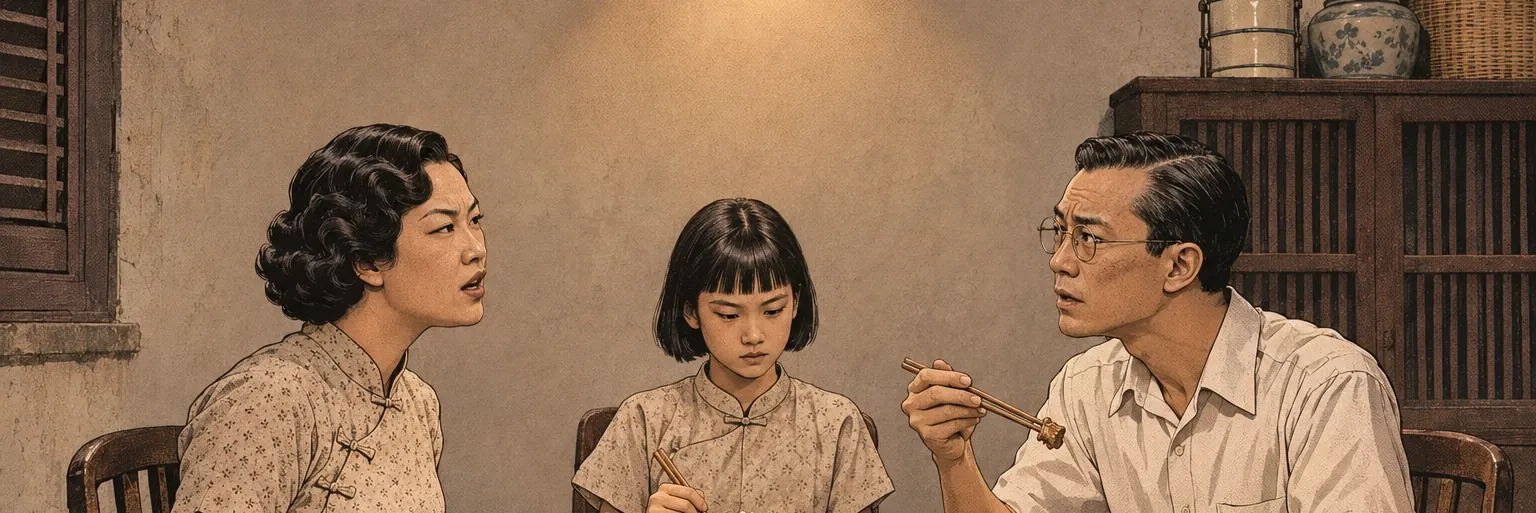
It was the giving that Swee Neo could not let pass. One evening in October, with the cotton prints still in the godown, she asked him what he had given that month, and he did not know, and she told him. It was the worst quarrel of their marriage since the war. She said things about his judgement that were true, and he said things about her family that were not, and for some days neither of them spoke at the table. Mei Lin ate quickly and went upstairs.
Two Hands
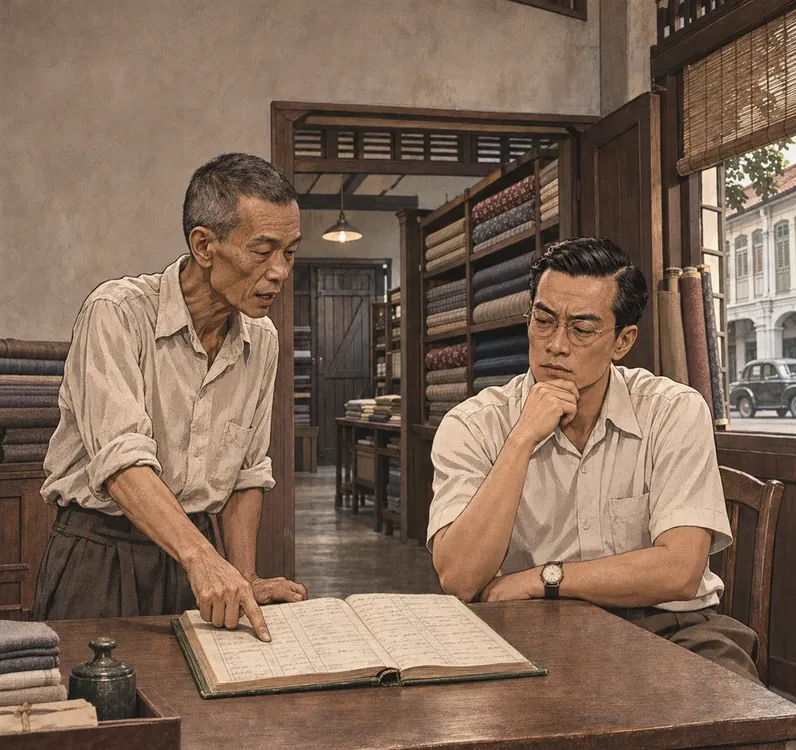
What came of the quarrel was that she started going to the firm. It began with the tally she had always kept in her head; then she asked the clerk to show her the books, and he, who had kept the firm's books before the war, saw at once that she had a head for them and was glad of the help. By December she was there three mornings a week, at a small table by the window, writing in the same ledger as her husband in a neater hand.
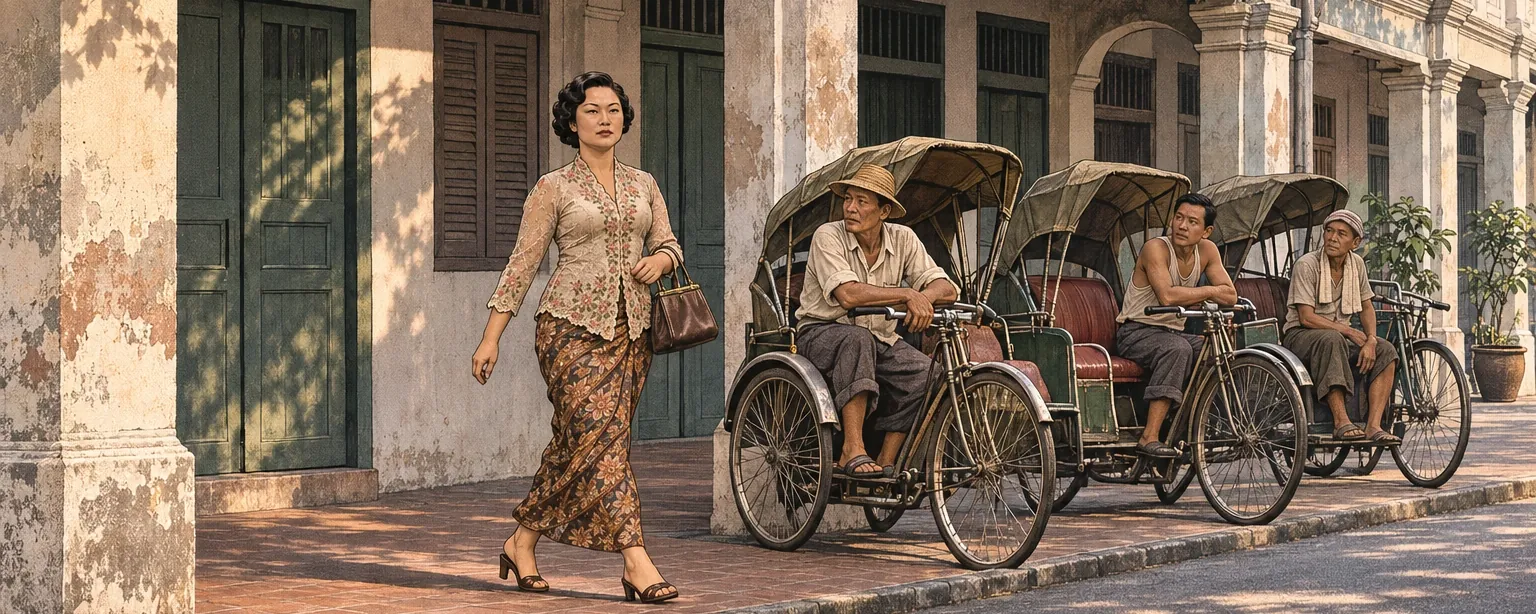
She could do it because she was stronger. She went on seeing the doctor in town, who was pleased with her and said so, and changed the tonic for a better one that cost twice as much. She stopped needing to rest on the stairs. Some days she walked to the firm instead of taking a trishaw, and arrived before her husband.
First in Arithmetic
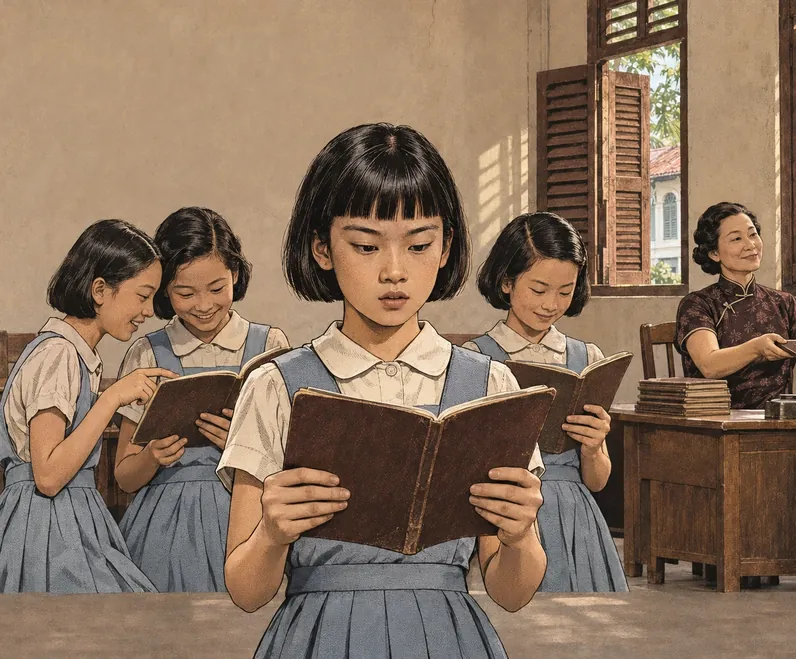
It was her first full year at the girls' school, and she found her feet in it. By the second term she knew the bell and the corridors and which teachers could be asked questions and which could not. At the end of the year, in the examinations, she was first in arithmetic in her class. It was the first time she had been first in anything, and she did not tell anyone at home for two days, as if it might be taken back.
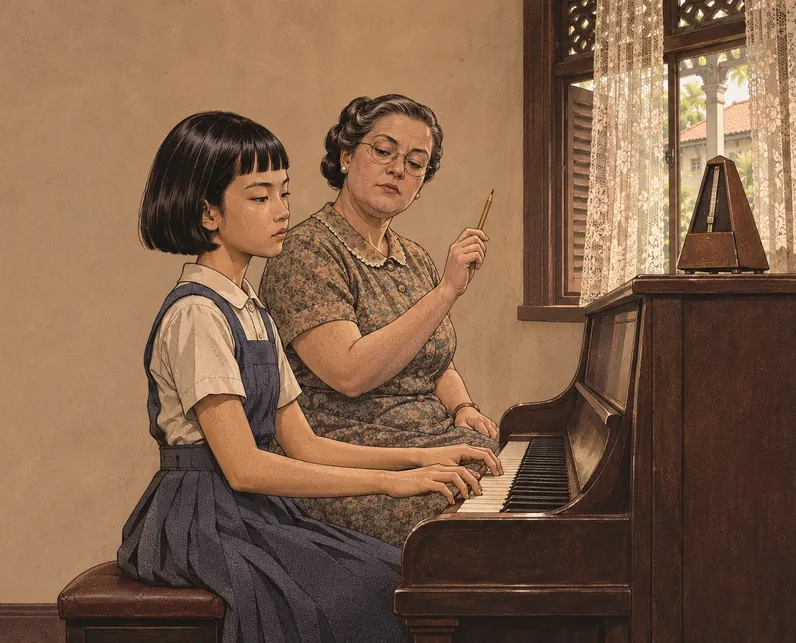
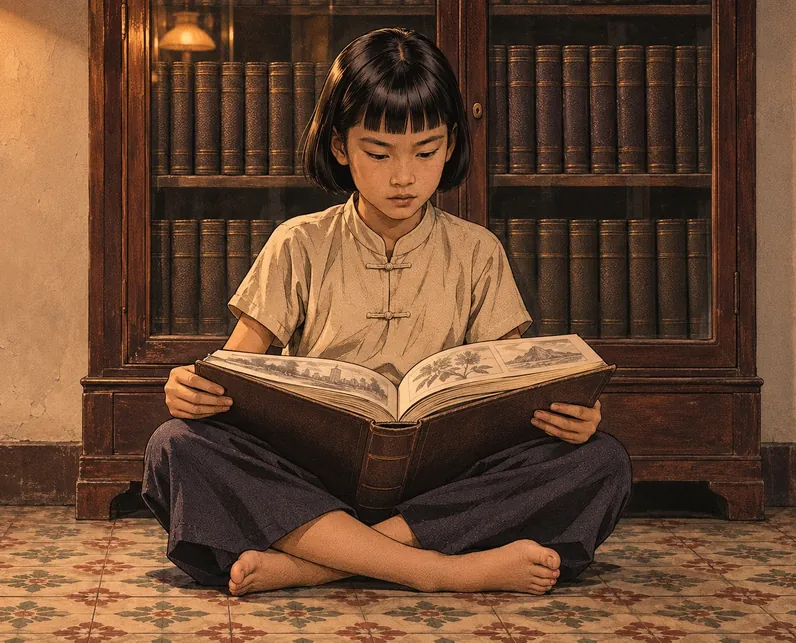
There were piano lessons that year, on Thursdays, at a teacher's house near the school, because some of the other girls had them; and a set of encyclopaedias in a glass-fronted case that her father bought from a man who was selling up after the bust. She did not care for the piano. She read the encyclopaedias from A.
Not everything at the school was kind. Some time in the middle of the year a story went round among the girls in her class that her father had made his money selling to the Japanese during the war, and that this was why her family had a firm when other families did not. A girl she had thought was her friend told her it, as a thing everyone knew. Mei Lin said it was not true. She did not know whether it was. She did not ask at home.
At home it was a quiet year. She was not put to work.
A City
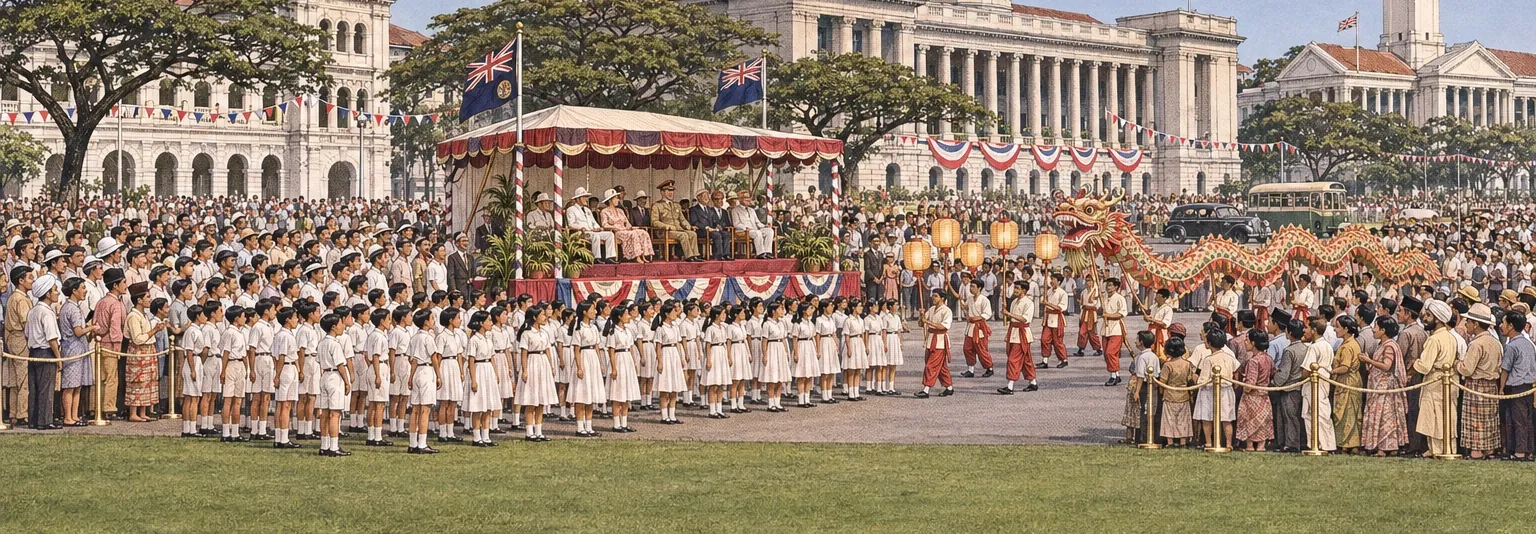
In September Singapore was made a city by the King's charter. There were processions and lanterns, schoolchildren in white lined up on the Padang, and fireworks over the river. The firm closed early. The three of them went down to the waterfront together, the first time they had gone anywhere together since the quarrel, and stood among the crowd while the rockets went up over the harbour. Her father bought her a paper lantern in the shape of a fish. Her mother held her hand on the way home, which she had not done since Mei Lin was small.
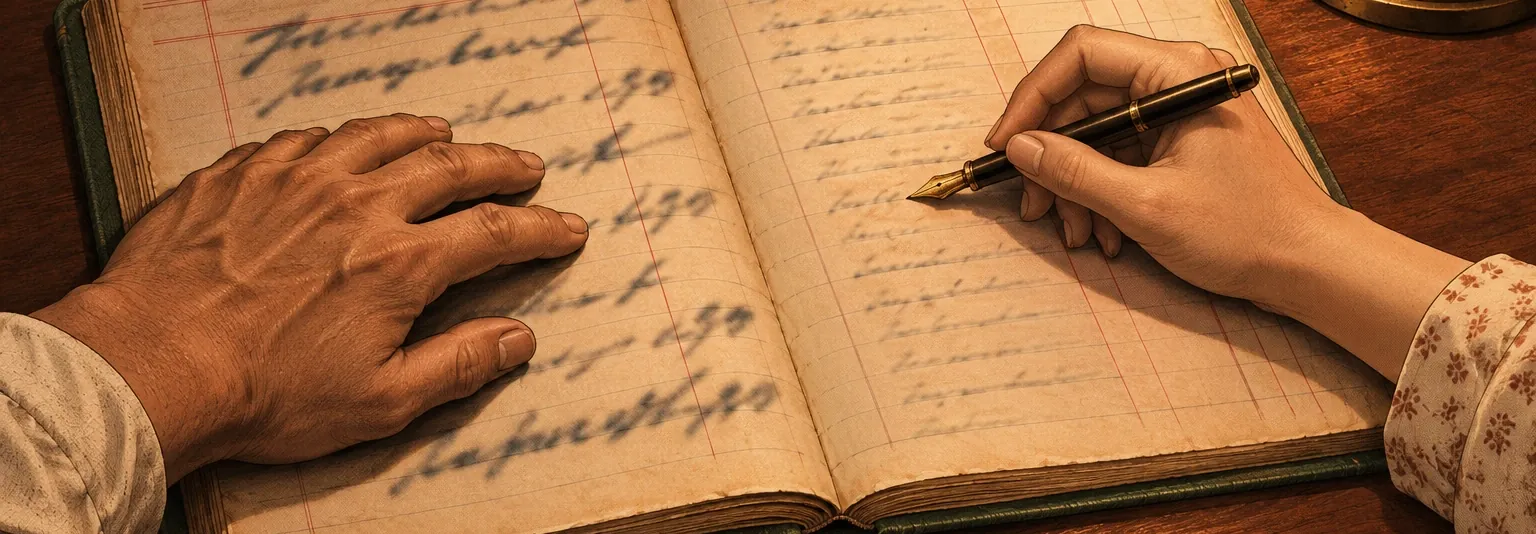
At the year's end there were two hands in the green ledger, his and hers, and where the columns of the autumn did not agree it was her figures that stood.