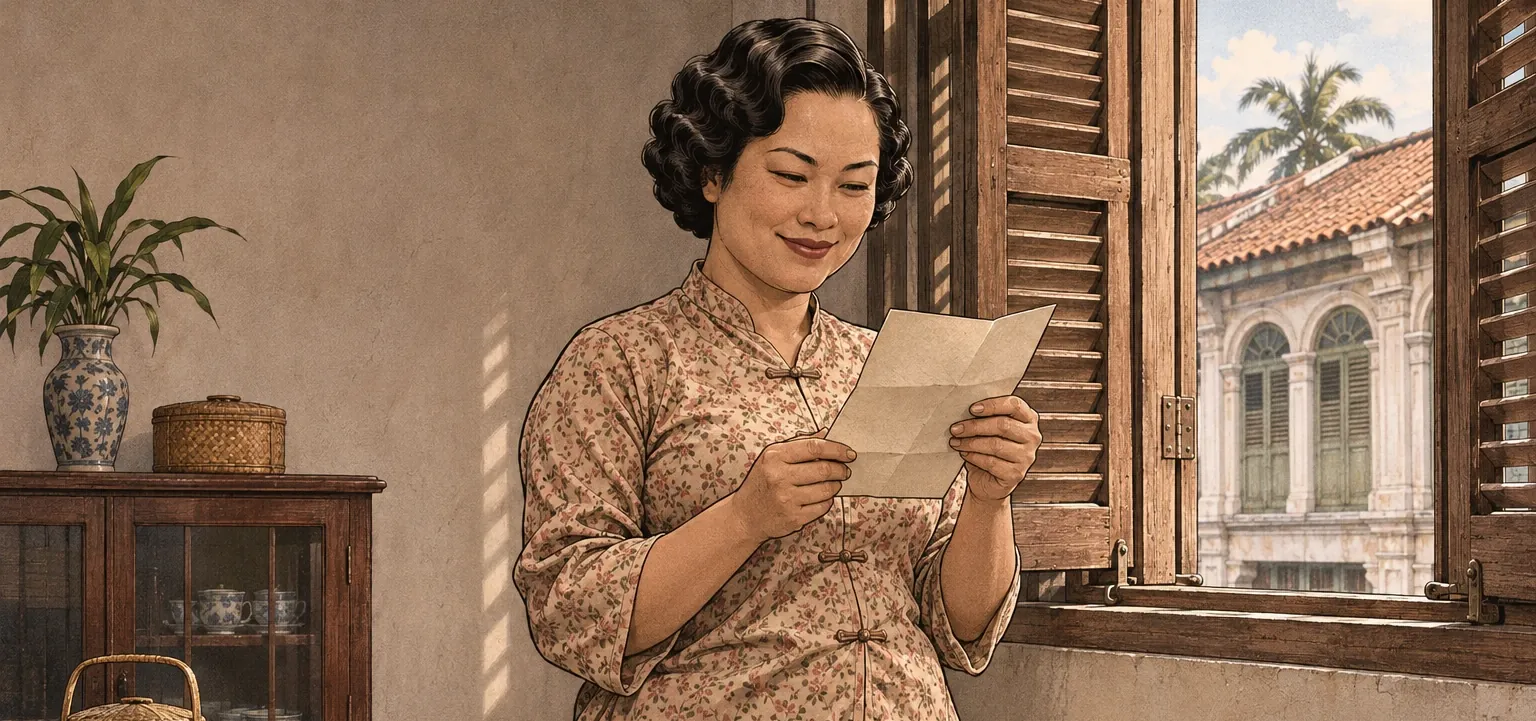
In 1954 fourteen-year-old Mei Lin goes to the firm most mornings and works at the counter and the books. The lessons with the old clerk stop, since now she is simply working, and nothing more is done about her education. In May the Chinese middle school students clash with police, and the street talks of nothing else. One night she asks her father what he did in the war, and he answers only part of it. The firm does not grow, another customer's debt goes bad, and Tan Cheng Huat works longer hours than ever. A good doctor sees to them both when they need one. Lim Swee Neo takes over the firm's dealings with the bank, and has a small piece of good news. Nobody in the family is seriously ill.
A work of fiction set in real history. The characters are invented; the historical events are real and sourced.
In 1953 thirteen-year-old Mei Lin is at home. The old clerk teaches her book-keeping in the afternoons, and she reads everything she can find, much of it in secret. She is not set to regular work. In coronation year the family goes to the cinema to see the crowning on film and has a portrait taken in a studio. The police searches go on, and a neighbour's son is questioned. Tan Cheng Huat's firm does not grow, a large customer's debt goes bad, and the clan association lends again. Lim Swee Neo loses money a second time, in a savings club that collapses. Husband and wife stay close. Nobody in the family is seriously ill.
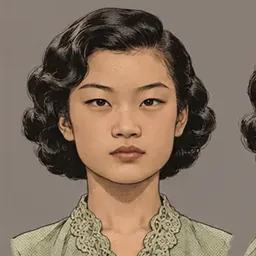
the daughter of the house, working in the family firm
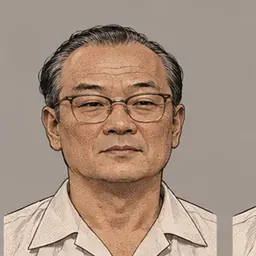
her father, a cloth merchant
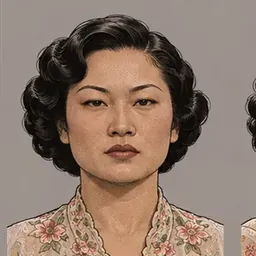
her mother, who keeps the firm's books
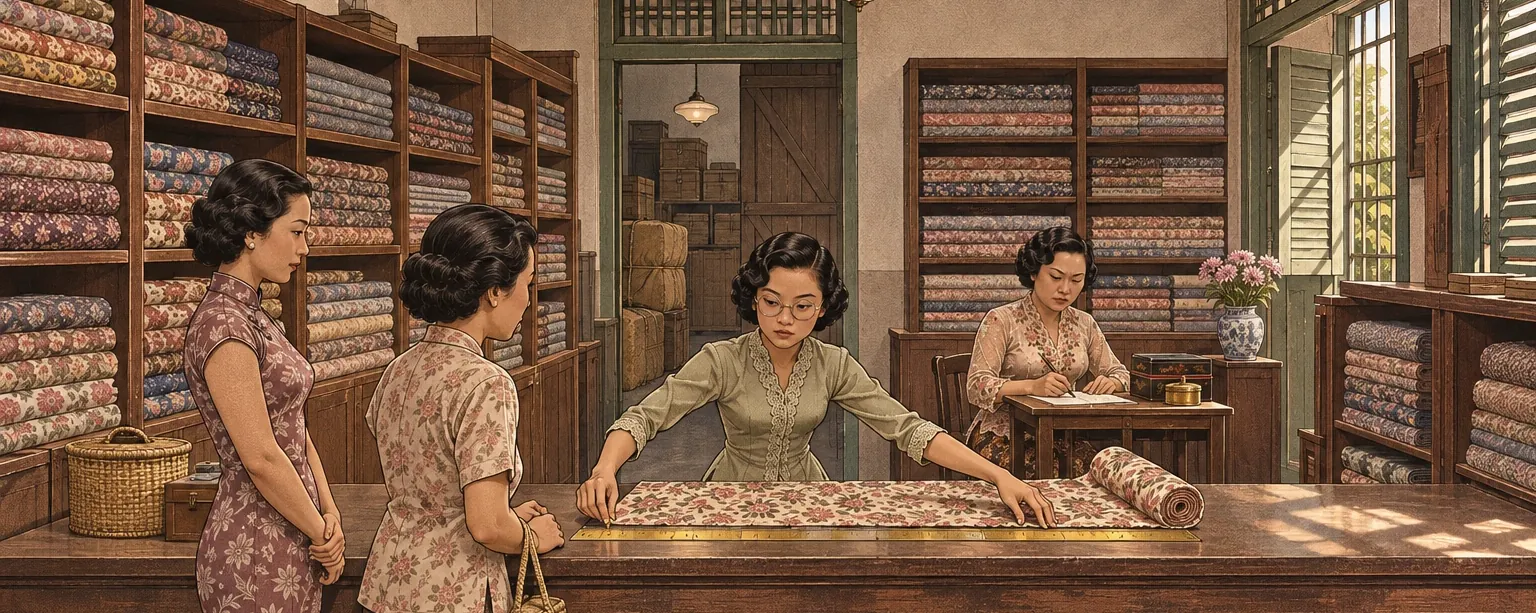
Singapore in 1954 is a Crown Colony. The Rendel Commission reports in February, recommending a largely elected Legislative Assembly; parties form for the 1955 election, and the People's Action Party is founded in November.
Behind the dice How likely was each thing that happened? (Spoilers)
Nothing in The Dice Decides is chosen by a writer. Each person's year is a set of rolls, weighted by their stats and their times; the story is written afterwards to fit what the dice decided.
| Who | What the dice decided | Result | Chance |
|---|---|---|---|
| Tan Mei Lin | At the counter and the books every morning. | family trade | 47% |
| Tan Mei Lin | She asks her father what he did in the war. | asks the question | 5% |
| Lim Swee Neo | She takes over the firm's dealings with the bank. | yes | 51% |
| Tan Mei Lin | The lessons stop; nothing more is done about her education. | nothing | 16% |
| Tan Cheng Huat | A contractor fails owing the firm money. | yes | 14% |
| Tan Mei Lin | The thirteenth of May and the school sit-ins. | may 13 | 19% |
| Tan Mei Lin | The doctor from town sees her through a fever. | good doctor | 30% |
| Tan Cheng Huat | The firm does not grow, for the third year. | no | 51% |
| Tan Cheng Huat | The chest pain is not his heart. | good doctor | 14% |
| Tan Cheng Huat | At the godown before the shutters go up. | long hours | 10% |
| Lim Swee Neo | Her nephew passes into teachers' training college. | good news | 8% |
| Tan Mei Lin | No serious illness for Mei Lin. | no | 99% |
| Tan Mei Lin | The house is not pinched this year. | no | 91% |
| Tan Mei Lin | Mei Lin survives the year. | no | over 99% |
| Tan Cheng Huat | No serious illness for Cheng Huat. | no | 97% |
| Tan Cheng Huat | Cheng Huat survives the year. | no | over 99% |
| Lim Swee Neo | No serious illness for Swee Neo. | no | 96% |
| Lim Swee Neo | Swee Neo survives the year. | no | over 99% |
| Lim Swee Neo | No particular favour or loss. | none | 3% |
Chances are the simulation's model assumptions, not historical statistics.
Show as a table
| Year | Household a month | Peer median | Multiple |
|---|---|---|---|
| 1941 | $504 | $42 | 12.0× |
| 1942 | $82 | $42 | 2.0× |
| 1943 | $148 | $42 | 3.5× |
| 1944 | $204 | $42 | 4.9× |
| 1945 | $815 | $120 | 6.8× |
| 1946 | $1,114 | $150 | 7.4× |
| 1947 | $1,094 | $155 | 7.1× |
| 1948 | $1,072 | $160 | 6.7× |
| 1949 | $1,051 | $165 | 6.4× |
| 1950 | $1,691 | $170 | 9.9× |
| 1951 | $1,753 | $175 | 10.0× |
| 1952 | $1,901 | $180 | 10.6× |
| 1953 | $1,841 | $185 | 10.0× |
| 1954 | $1,791 | $190 | 9.4× |
Nominal dollars; the engine's model estimate, the same figure as each issue's money line.
The chapter in prose
1954: What He Did in the War
In 1954 fourteen-year-old Mei Lin goes to the firm most mornings and works at the counter and the books. The lessons with the old clerk stop, since now she is simply working, and nothing more is done about her education. In May the Chinese middle school students clash with police, and the street talks of nothing else. One night she asks her father what he did in the war, and he answers only part of it. The firm does not grow, another customer's debt goes bad, and Tan Cheng Huat works longer hours than ever. A good doctor sees to them both when they need one. Lim Swee Neo takes over the firm's dealings with the bank, and has a small piece of good news. Nobody in the family is seriously ill.
The Counter
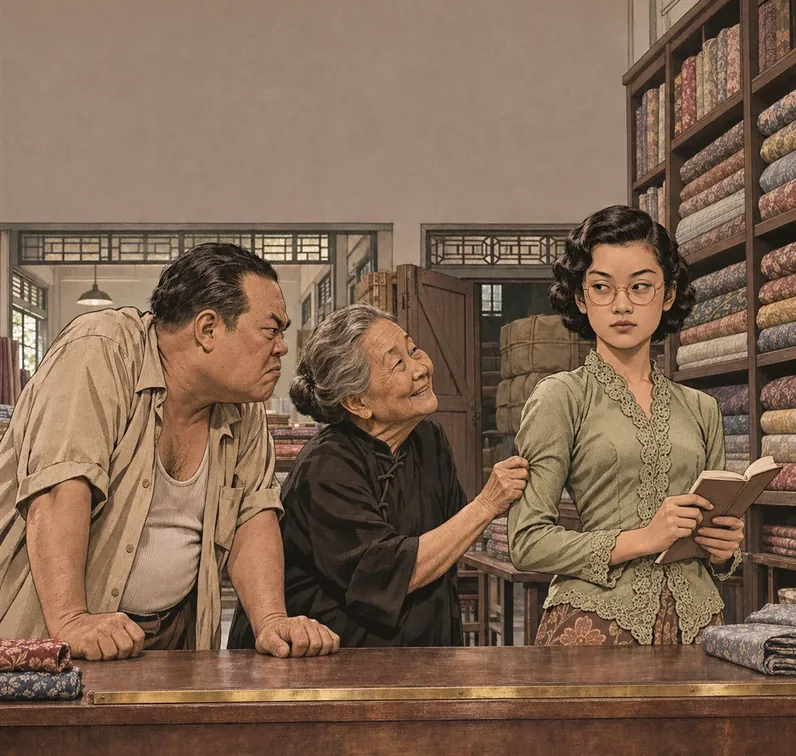
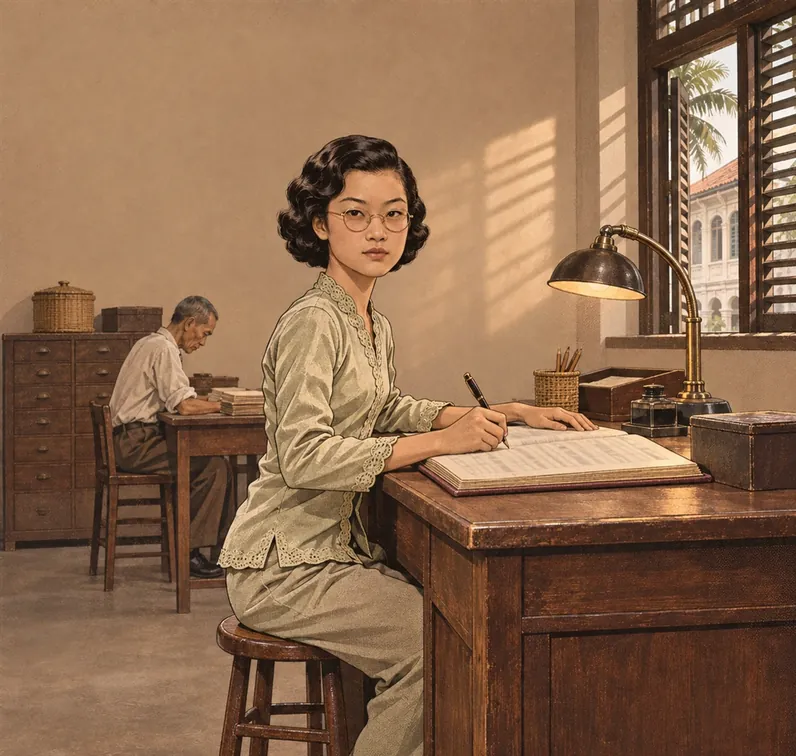
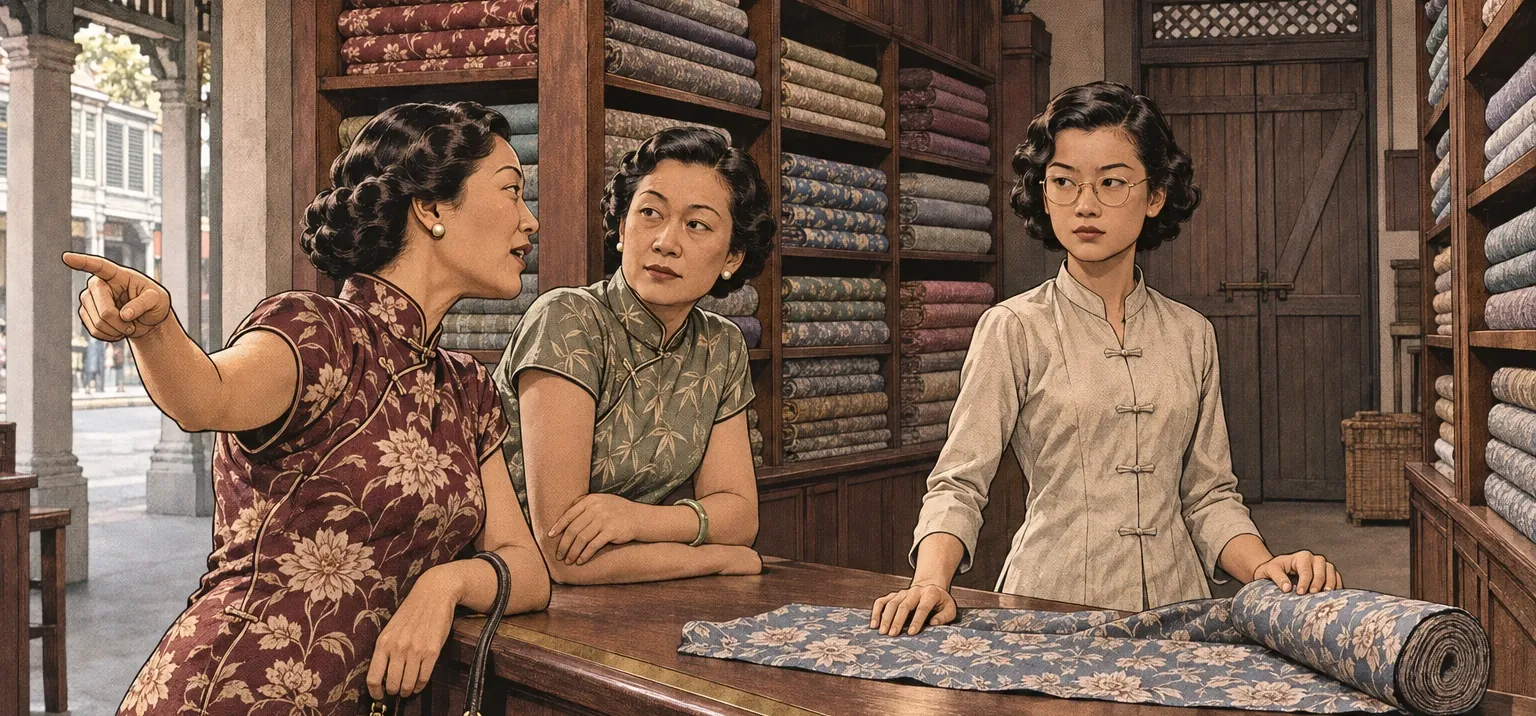
That year she went to the firm with her mother in the mornings, not as a pupil but to work. She stood at the counter and measured cloth against the brass rule let into its edge, wrote out the chits, took the money and counted the change twice. In the afternoons she entered the day's sales in the book the old clerk had taught her to keep. The lessons stopped without anyone deciding they should; there was no longer anything he was teaching her that she was not doing every day. Nobody spoke of school, or of a tutor. She was fourteen.
The customers liked her. The older women called her the Tans' clever girl and pinched her arm. The men who came for credit did not like her at all, because she remembered what they owed.
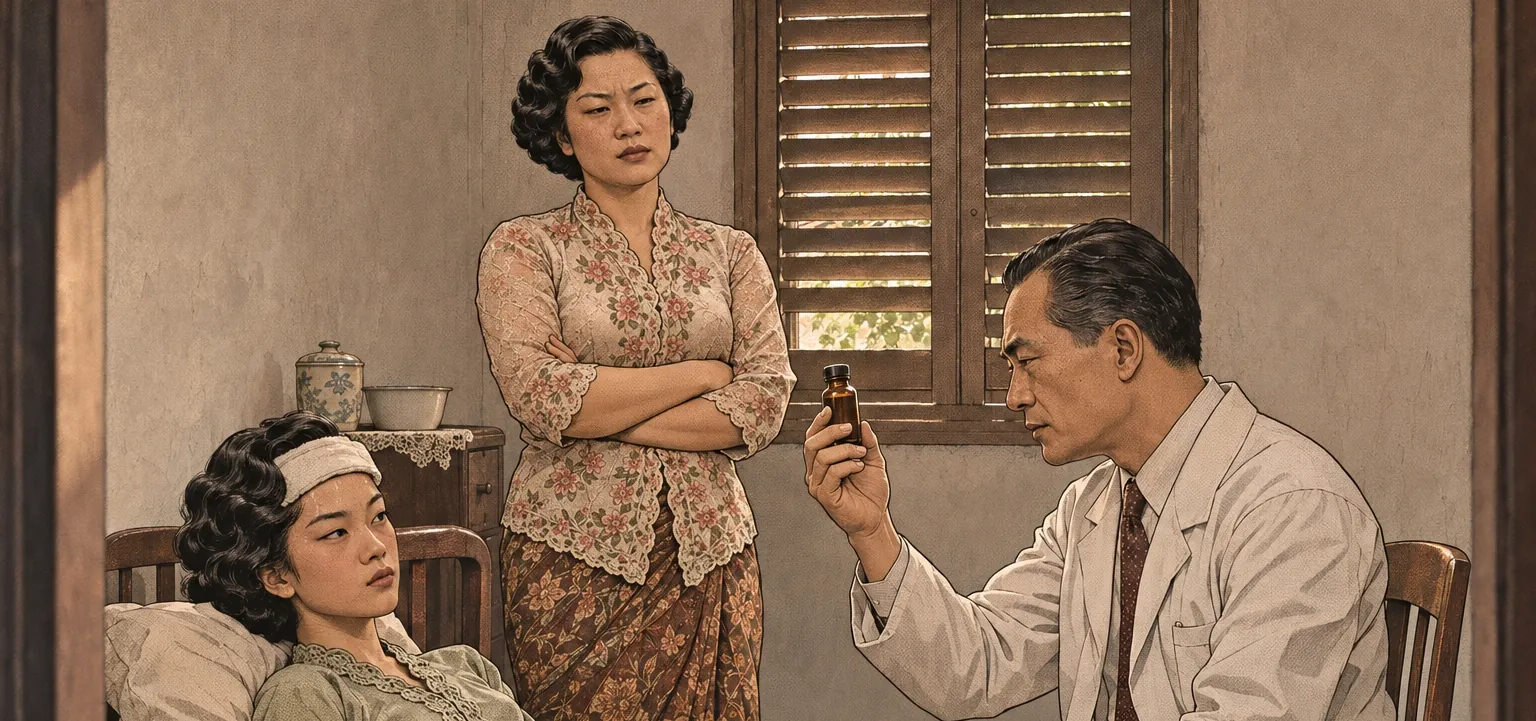
In March she had a fever that would not break, and her mother sent for the doctor from town rather than the herbalist on the corner. He came to the house twice, gave her something in a brown bottle, and she was back at the counter in ten days.
Thirteenth of May
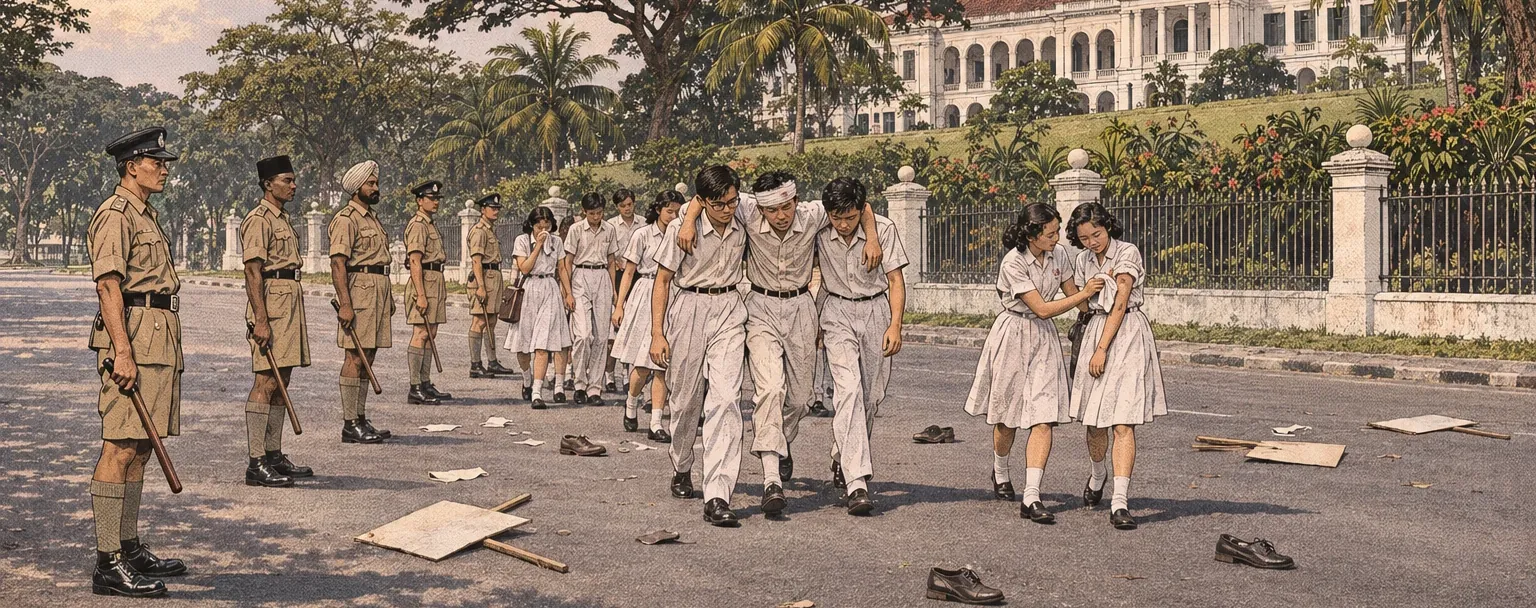
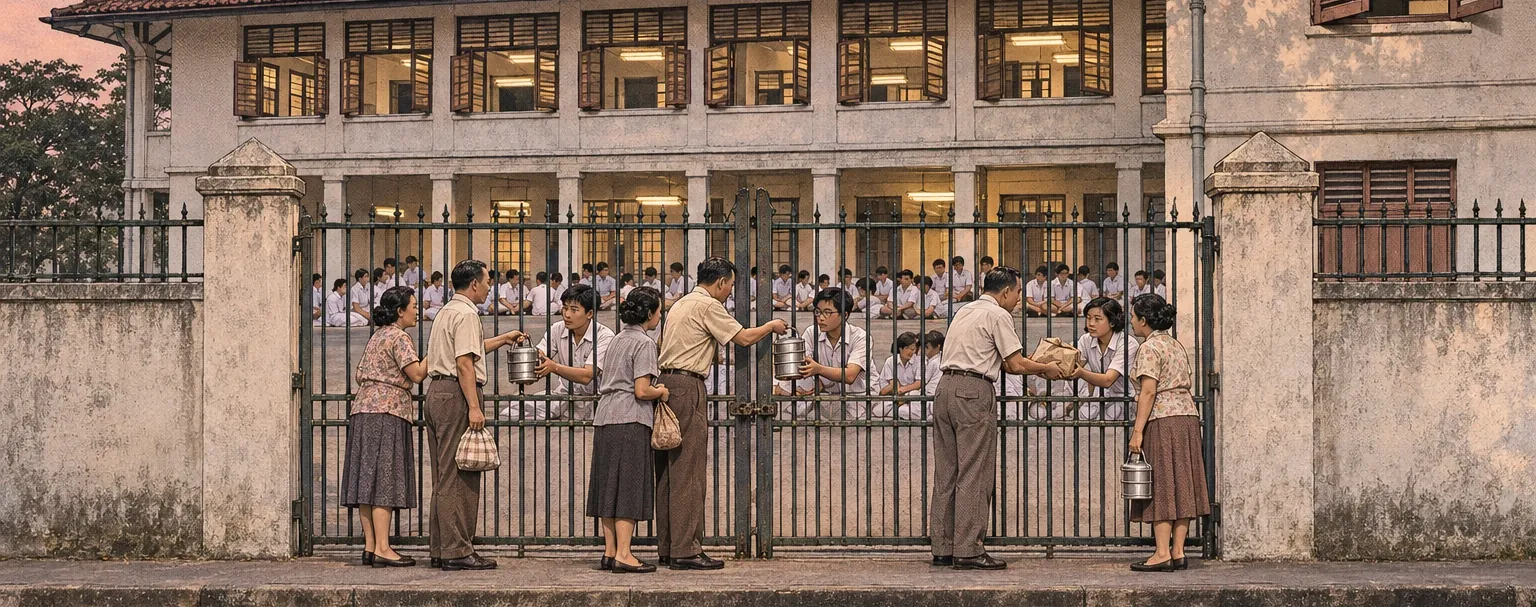
On the thirteenth of May the students of the Chinese middle schools marched to Government House to petition against registration for National Service, and the police met them with batons. By evening the whole town knew. Boys and girls her age had been beaten in the street; some were arrested. Then the students shut themselves into Chung Cheng and Chinese High School and would not come out, and for weeks the street talked of nothing else: the parents carrying food to the school gates, the speeches, the singing that could be heard at night.
Mei Lin listened to all of it from behind the counter. Girls her own age were sleeping on classroom floors, and their parents were bringing them rice. She did not know what she thought about it, except that she would have liked to have been somewhere where something was decided.
What He Did in the War
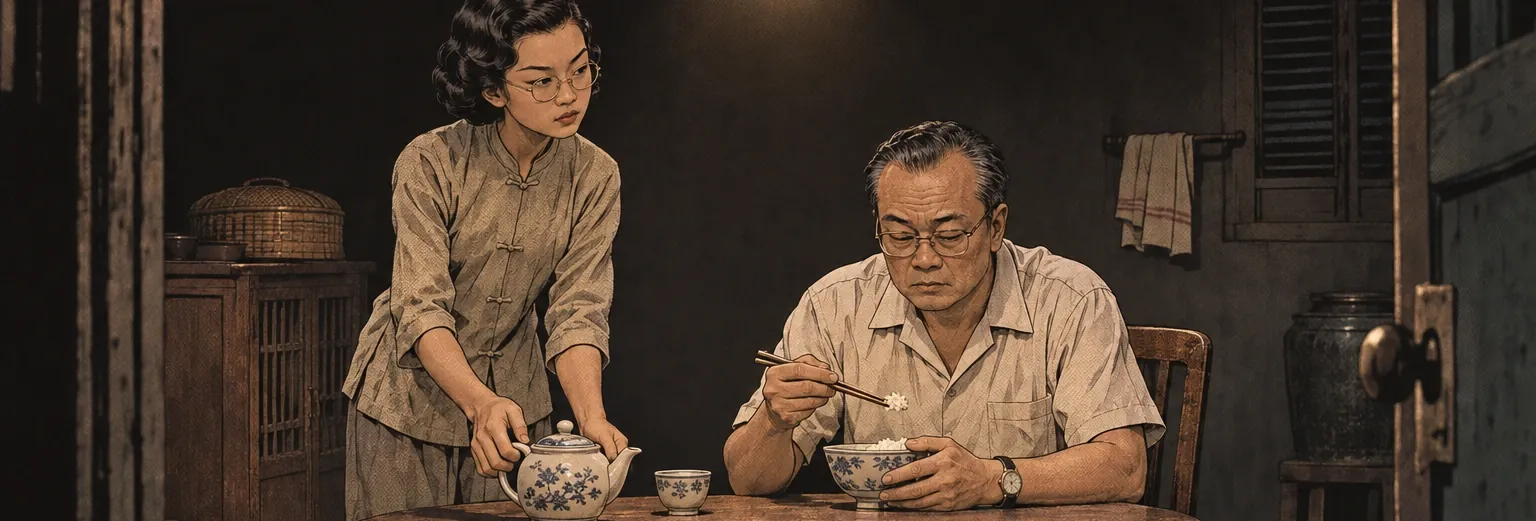
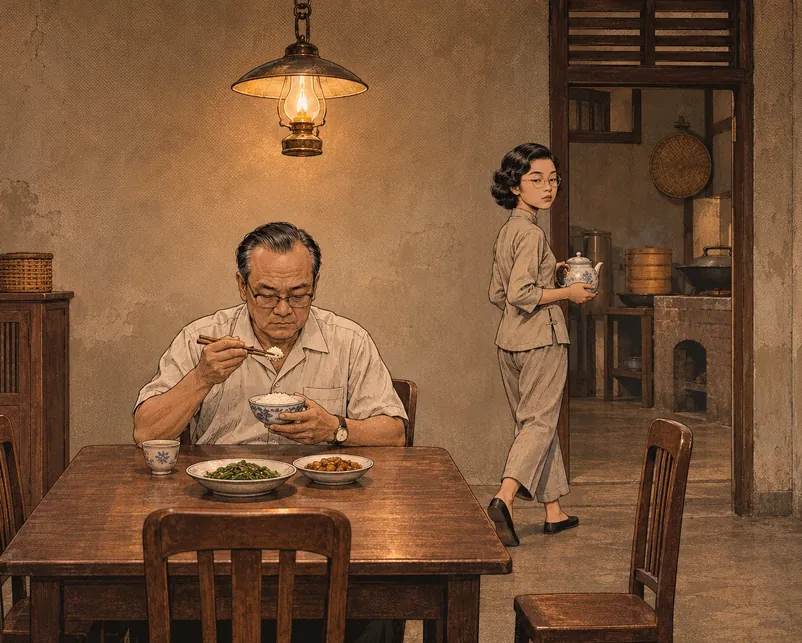
She asked him in the end on an evening in June, when he had come home late and was eating alone, and she had brought his tea. She asked what he had done in the war. She did not say why, or mention the girls at school, three years before, or what they had said.
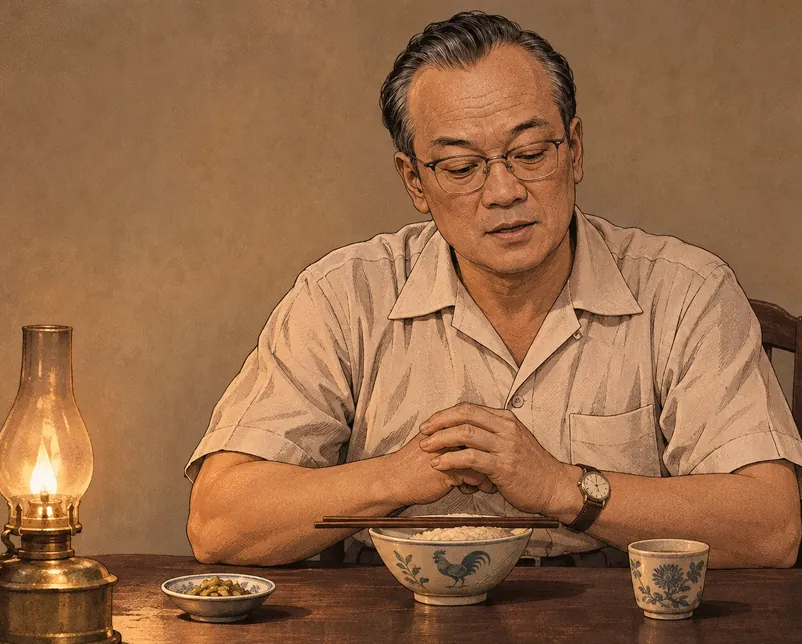
He put down his chopsticks. For a while she thought he would not answer at all. Then he told her some of it: that he had sold what there was to sell, from a table, like everyone; that the firm had been taken; that one morning in 1942 he had been made to stand on a school ground with a great many other men, and had been let go, and many had not. He said he had done what he had to, to keep her and her mother fed.
He did not say what it was that he had had to do, and she did not ask. When he had finished he picked up his chopsticks again and went on eating, and she took the teapot away and filled it, and that was the end of it.
Long Hours
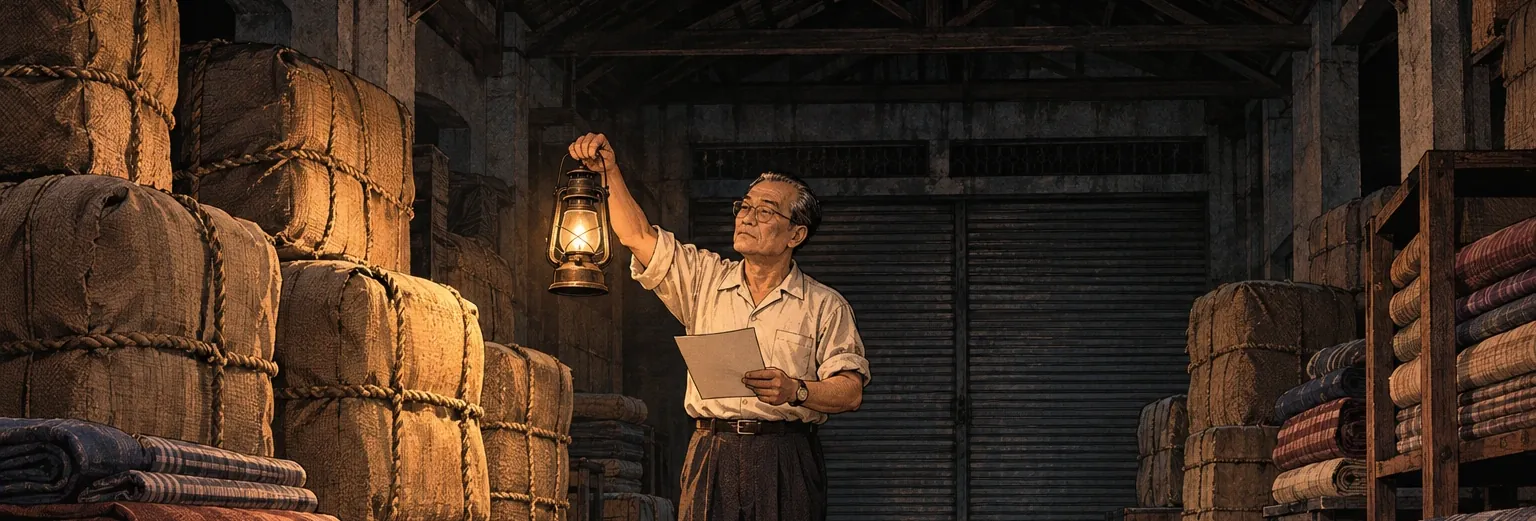
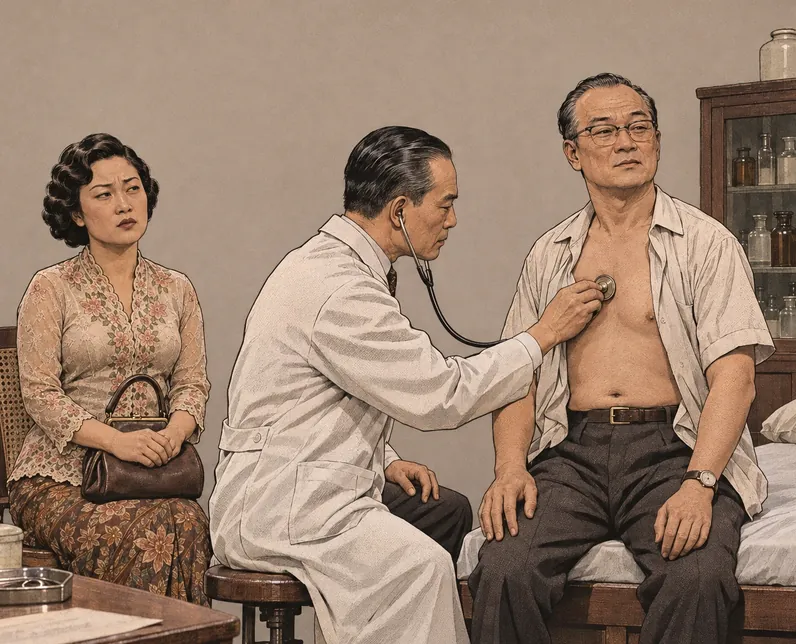
The town's trade recovered and the firm's did not, for the third year. A second customer failed owing money, a contractor who had furnished government quarters and was paid late himself. Cheng Huat answered it the way he answered everything, by working longer. He was at the godown before the shutters went up and stayed after they came down, and ate his dinner cold. When he had a pain in his chest in the autumn Swee Neo sent him to the doctor in town, who listened to it, told him that it was not his heart, and that he must sleep.
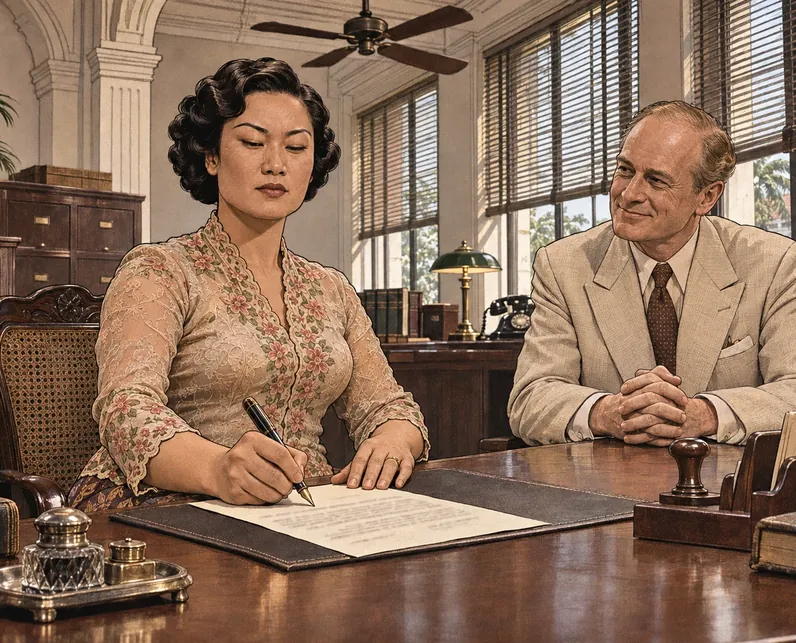
It was Swee Neo who went to the bank that year. The manager had found her husband difficult and found her easier, and by the end of the year she was the one who signed the letters. There was no particular favour from anyone else that year, and no loss. The one piece of good news was hers: a letter from her mother's village, the first in years with no request in it, saying that her younger brother's son had passed into a teachers' training college.
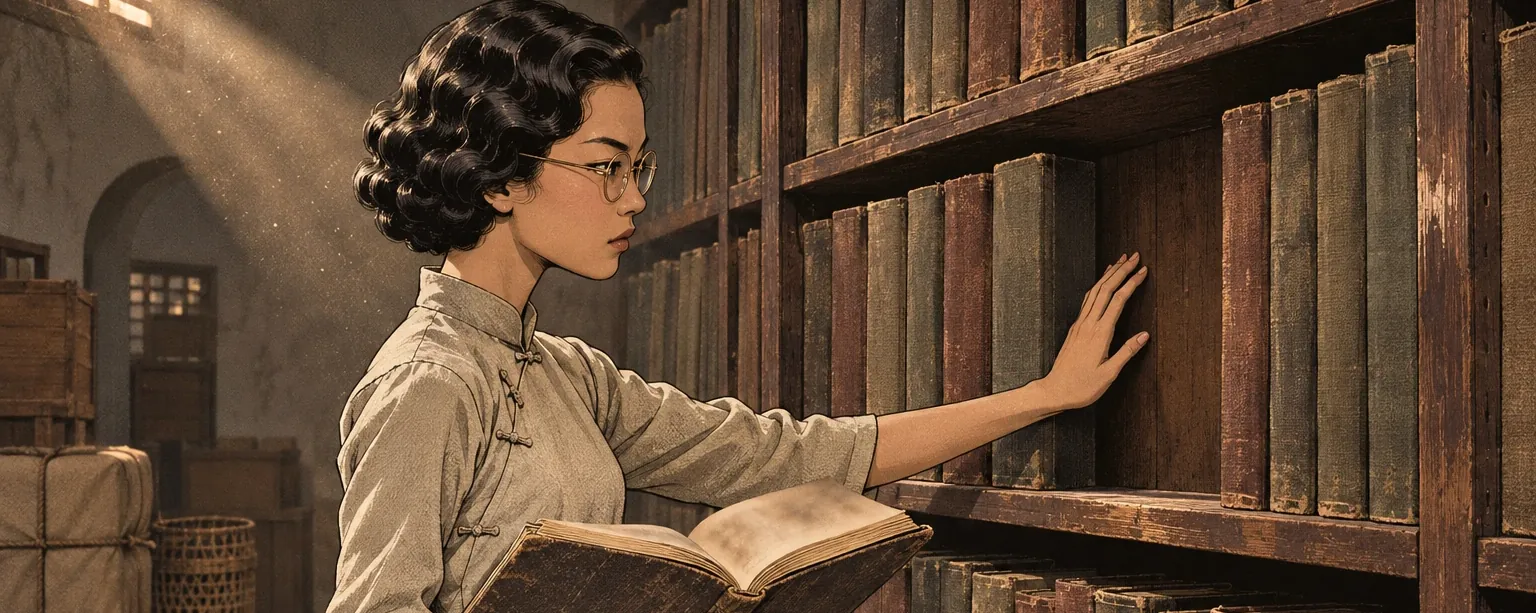
After that night she did not ask again; but she began, in the firm's old ledgers from before the war, to read the columns for 1942 and 1943, and found that those years were missing from the shelf.