In 1957 the Asian flu reaches Singapore in May, and Mei Lin and her mother both catch it. Lim Swee Neo has the best doctor money can buy, and both are up within a week or two. The firm loses weeks of trade while the town is in bed, but it still ends the year larger. Swee Neo wins a second institutional account, and she takes the running of the household back into her own hands. Tan Cheng Huat escapes the flu and puts on weight. An introduction to a buyer from Kuala Lumpur comes to nothing. Seventeen-year-old Mei Lin keeps the books at home and goes on with her lessons. The school bursar her mother deals with begins to lend her books. The bookseller's assistant is still polite. Nobody in the family is seriously ill beyond the flu.
A work of fiction set in real history. The characters are invented; the historical events are real and sourced.
In 1956 the firm grows for the first time since 1950. Lim Swee Neo's banker introduces her to the bursar of a girls' school, and the order for uniform cloth becomes steady business. The firm grows on its own as well, though a third customer's debt goes bad. Tan Cheng Huat is asked onto the clan association's committee. Sixteen-year-old Mei Lin, at home, is given lessons in sewing, cooking and the piano, as daughters of her class were. Her father admits in front of the clerk that she keeps the books better than he does. A young assistant at the bookseller's takes a polite interest in her. The October riots and curfew pass the household by. Nobody in the family is seriously ill.
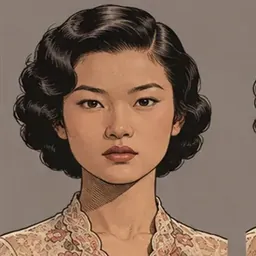
the daughter of the house, keeping part of the firm's books at home
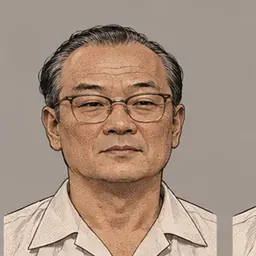
her father, a cloth merchant
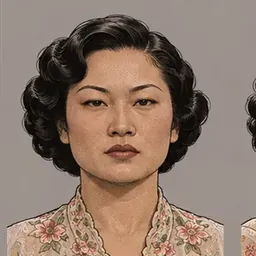
her mother, who runs the firm's accounts with institutions and the bank
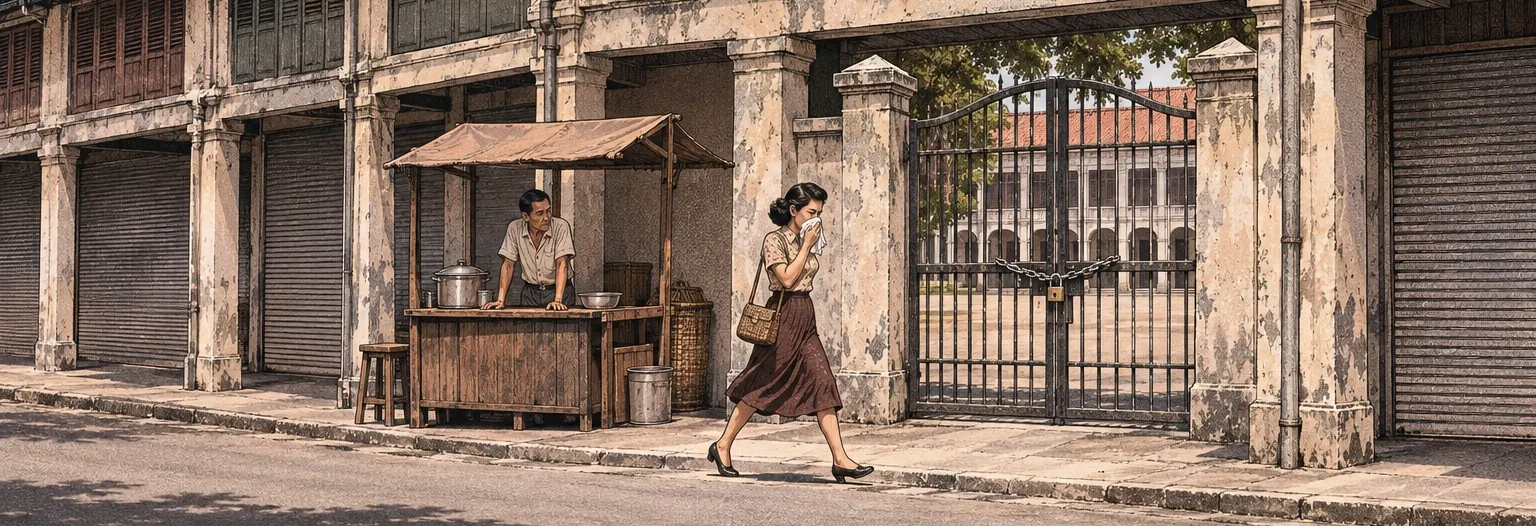
Singapore in 1957 is a Crown Colony with an elected Chief Minister, Lim Yew Hock. After all-party conferences from February, the second round of constitutional talks in London (from 11 March, concluding in April) agrees on a self-governing State of Singapore with its own citizenship.
Behind the dice How likely was each thing that happened? (Spoilers)
Nothing in The Dice Decides is chosen by a writer. Each person's year is a set of rolls, weighted by their stats and their times; the story is written afterwards to fit what the dice decided.
| Who | What the dice decided | Result | Chance |
|---|---|---|---|
| Tan Mei Lin | Mei Lin in bed for five days. | yes | 22% |
| Lim Swee Neo | Swee Neo down harder, her cough lasting into June. | yes | 35% |
| Tan Mei Lin | The bursar lends her books. | family friend | 15% |
| Tan Cheng Huat | The firm ends the year larger. | yes | 49% |
| Lim Swee Neo | A second institutional account, from the nuns. | yes | 51% |
| Lim Swee Neo | The doctor every morning and a nurse for three nights. | good doctor | 15% |
| Tan Cheng Huat | Three weeks in May with no trade. | yes | 35% |
| Tan Cheng Huat | A buyer from Kuala Lumpur. | introduction | 16% |
| Tan Cheng Huat | The buyer stops writing. | no | 38% |
| Tan Mei Lin | Sewing on Tuesdays, piano on Fridays. | home lessons | 31% |
| Tan Mei Lin | The books at the front-room table as before. | as before | 35% |
| Tan Cheng Huat | No customer fails to pay. | no | 86% |
| Tan Cheng Huat | Cheng Huat escapes it. | no | 64% |
| Tan Mei Lin | The bookseller's assistant asks about the Brontës. | admirer | 14% |
| Tan Mei Lin | An ordinary year at home. | quiet | 27% |
| Tan Mei Lin | Merdeka and the City Council, read in the papers. | quiet | 15% |
| Tan Cheng Huat | His good suit let out. | filling out | 8% |
| Lim Swee Neo | She takes the household back in hand. | mistress of house | 8% |
| Tan Mei Lin | No serious illness for Mei Lin beyond the flu. | no | over 99% |
| Tan Mei Lin | The house is not pinched this year. | no | 91% |
| Tan Mei Lin | Mei Lin survives the year. | no | over 99% |
| Tan Cheng Huat | No serious illness for Cheng Huat. | no | 97% |
| Tan Cheng Huat | Cheng Huat survives the year. | no | over 99% |
| Lim Swee Neo | No serious illness for Swee Neo beyond the flu. | no | 96% |
| Lim Swee Neo | Swee Neo survives the year. | no | over 99% |
Chances are the simulation's model assumptions, not historical statistics.
Show as a table
| Year | Household a month | Peer median | Multiple |
|---|---|---|---|
| 1941 | $504 | $42 | 12.0× |
| 1942 | $82 | $42 | 2.0× |
| 1943 | $148 | $42 | 3.5× |
| 1944 | $204 | $42 | 4.9× |
| 1945 | $815 | $120 | 6.8× |
| 1946 | $1,114 | $150 | 7.4× |
| 1947 | $1,094 | $155 | 7.1× |
| 1948 | $1,072 | $160 | 6.7× |
| 1949 | $1,051 | $165 | 6.4× |
| 1950 | $1,691 | $170 | 9.9× |
| 1951 | $1,753 | $175 | 10.0× |
| 1952 | $1,901 | $180 | 10.6× |
| 1953 | $1,841 | $185 | 10.0× |
| 1954 | $1,791 | $190 | 9.4× |
| 1955 | $1,838 | $195 | 9.4× |
| 1956 | $2,083 | $200 | 10.4× |
| 1957 | $2,298 | $205 | 11.2× |
Nominal dollars; the engine's model estimate, the same figure as each issue's money line.
The chapter in prose
1957: The Singapore Flu
In 1957 the Asian flu reaches Singapore in May, and Mei Lin and her mother both catch it. Lim Swee Neo has the best doctor money can buy, and both are up within a week or two. The firm loses weeks of trade while the town is in bed, but it still ends the year larger. Swee Neo wins a second institutional account, and she takes the running of the household back into her own hands. Tan Cheng Huat escapes the flu and puts on weight. An introduction to a buyer from Kuala Lumpur comes to nothing. Seventeen-year-old Mei Lin keeps the books at home and goes on with her lessons. The school bursar her mother deals with begins to lend her books. The bookseller's assistant is still polite. Nobody in the family is seriously ill beyond the flu.
May
It came in at the end of April, and by the middle of May it was in every house in the street. The schools were shut. The newspapers called it the Singapore flu, because it was here that the doctors had first found it, and the people in the street called it nothing at all and went to bed.
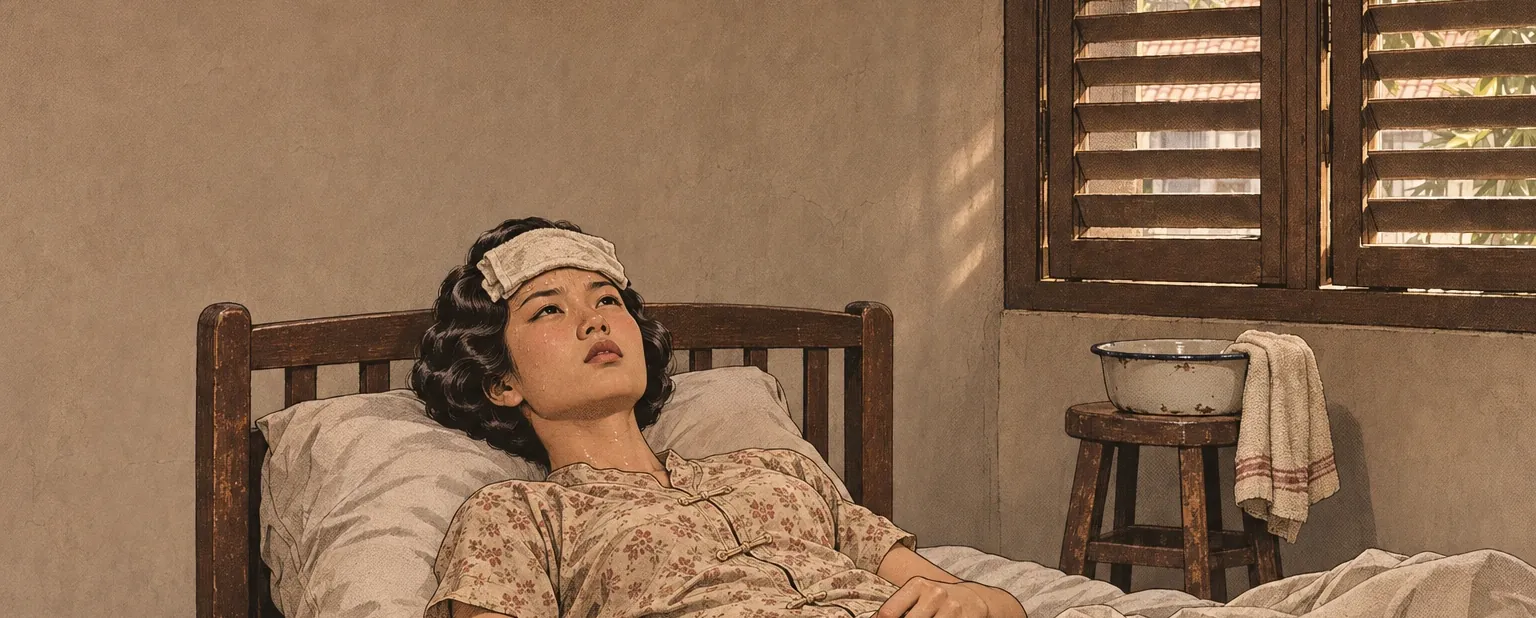
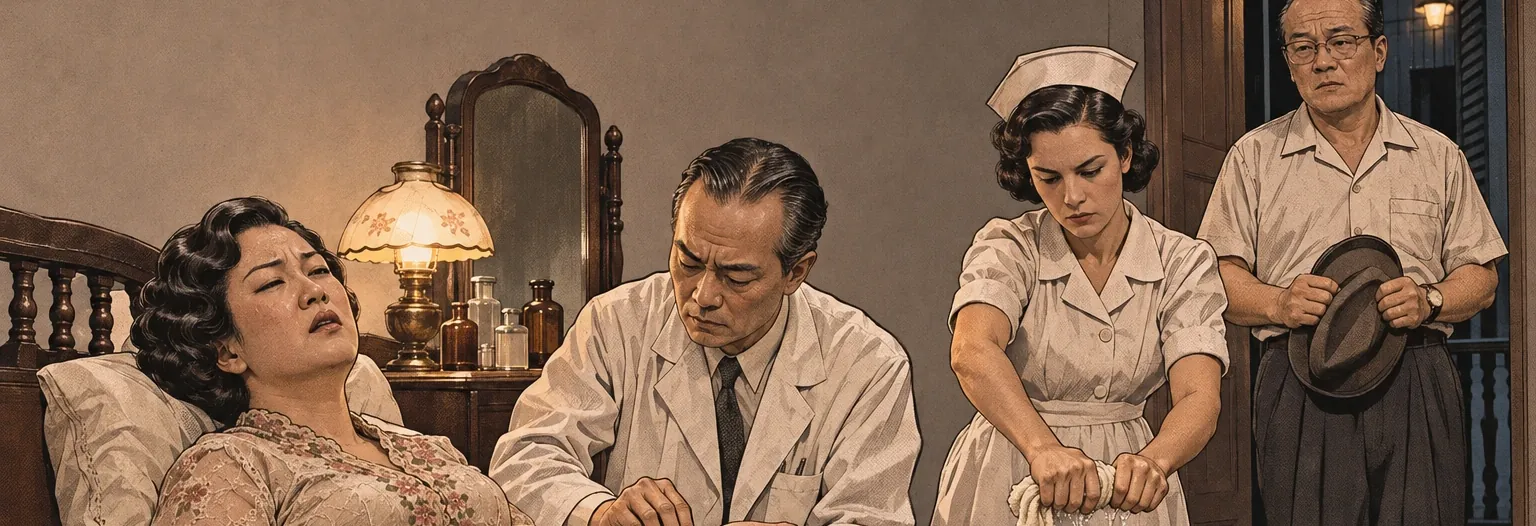
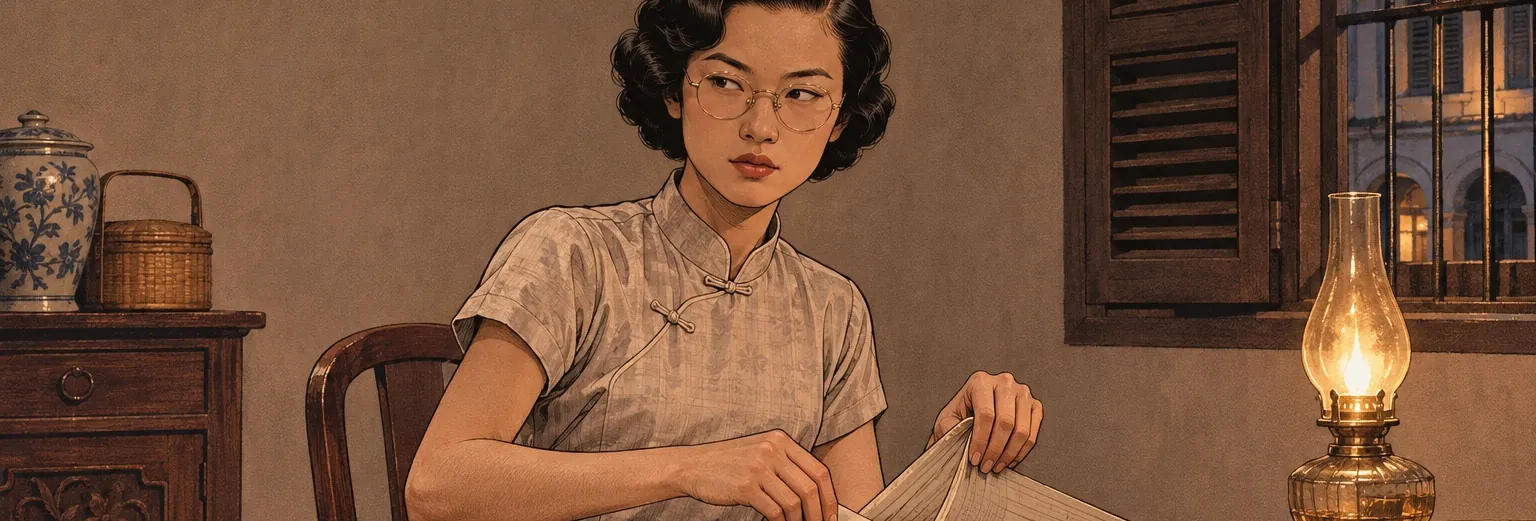
Mei Lin went down on a Thursday with a headache that by evening had become an ache in every bone, and lay for five days in the upstairs room, too hot and then too cold, listening to the cook coughing in the kitchen below. Her mother went down two days after her and harder. Swee Neo had been ill enough in the war years that nobody in the house took a fever of hers lightly, and Cheng Huat sent for the doctor from town on the first evening and paid him to come back every morning. There was medicine from the dispensary in Orchard Road and a nurse for the worst three nights. By the end of the month they were both downstairs again, thinner, Swee Neo with a cough that lasted into June.
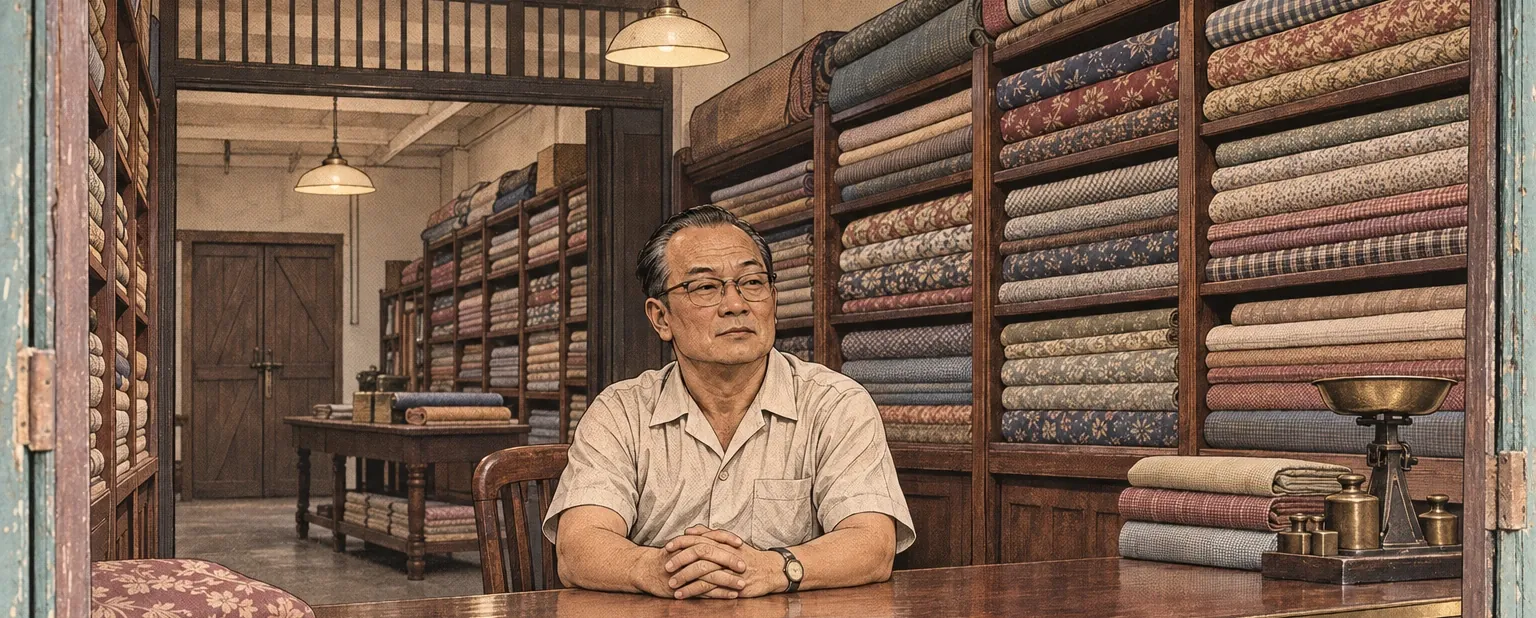
Cheng Huat did not catch it. He went to the firm every day of May and sat in an empty shop. Half his men were at home, the carriers were short, and the customers stayed away. For three weeks the town bought nothing that it did not have to buy.
A Second Account
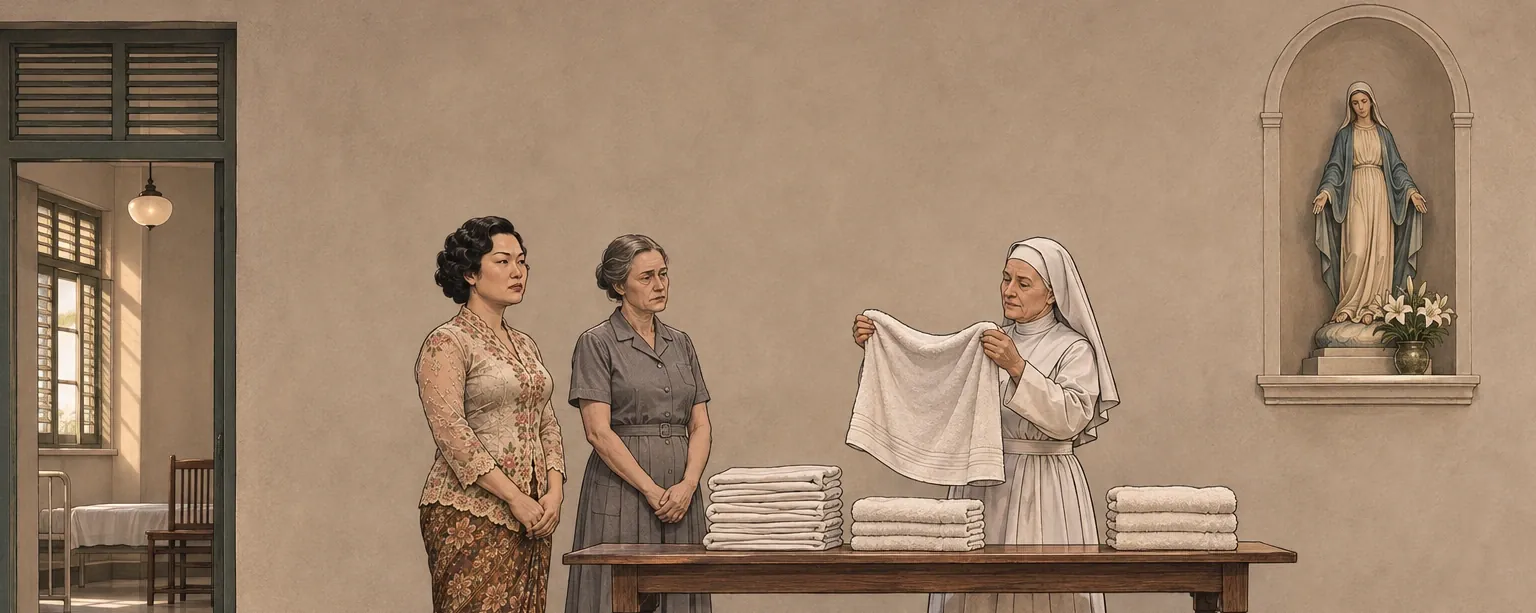
The lost weeks were made up by the autumn. The school account held steady. In September Swee Neo won a second account of the same kind, for sheets and towels for a nursing home run by an order of nuns, through the same bursar, who had told the Mother Superior that the Tans delivered on the day they said. At the end of the year the firm was larger than it had been at the start, for the second year running, and no customer had failed to pay.
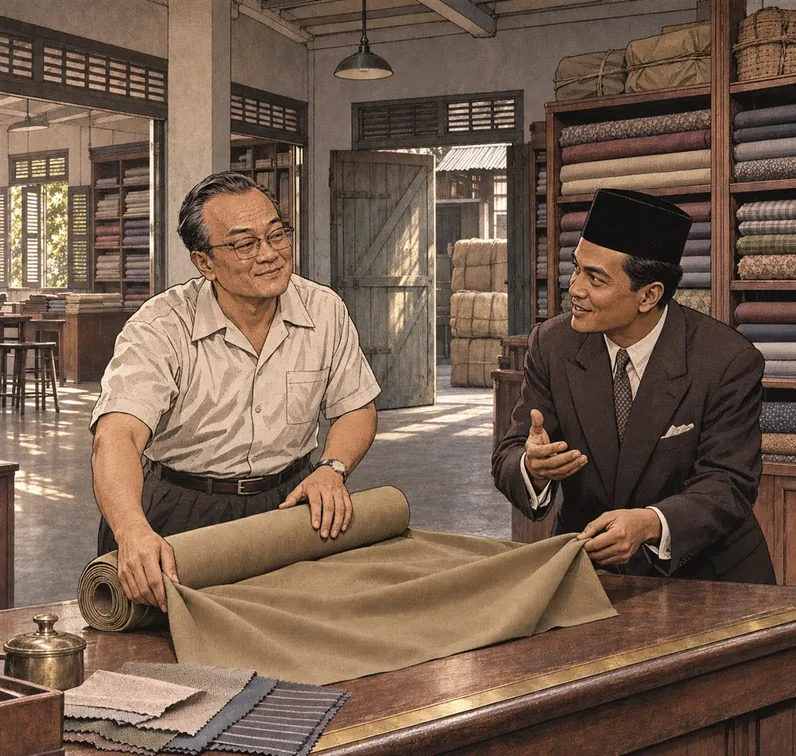
Cheng Huat had his own introduction that year. In the autumn a man from the clan association brought a buyer from Kuala Lumpur to see him. The man was looking for Singapore suppliers for the new country's offices and barracks. They talked for an afternoon about cloth and about Merdeka. Cheng Huat had been born in Malacca, which was in the new country, and lived in Singapore, which was not. The buyer took samples, wrote twice, and then stopped writing.
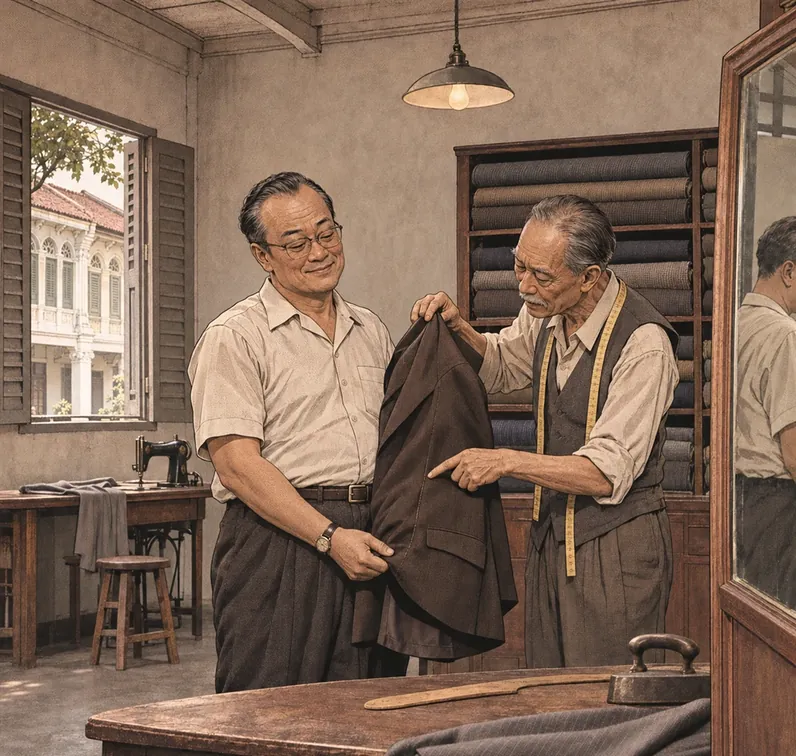
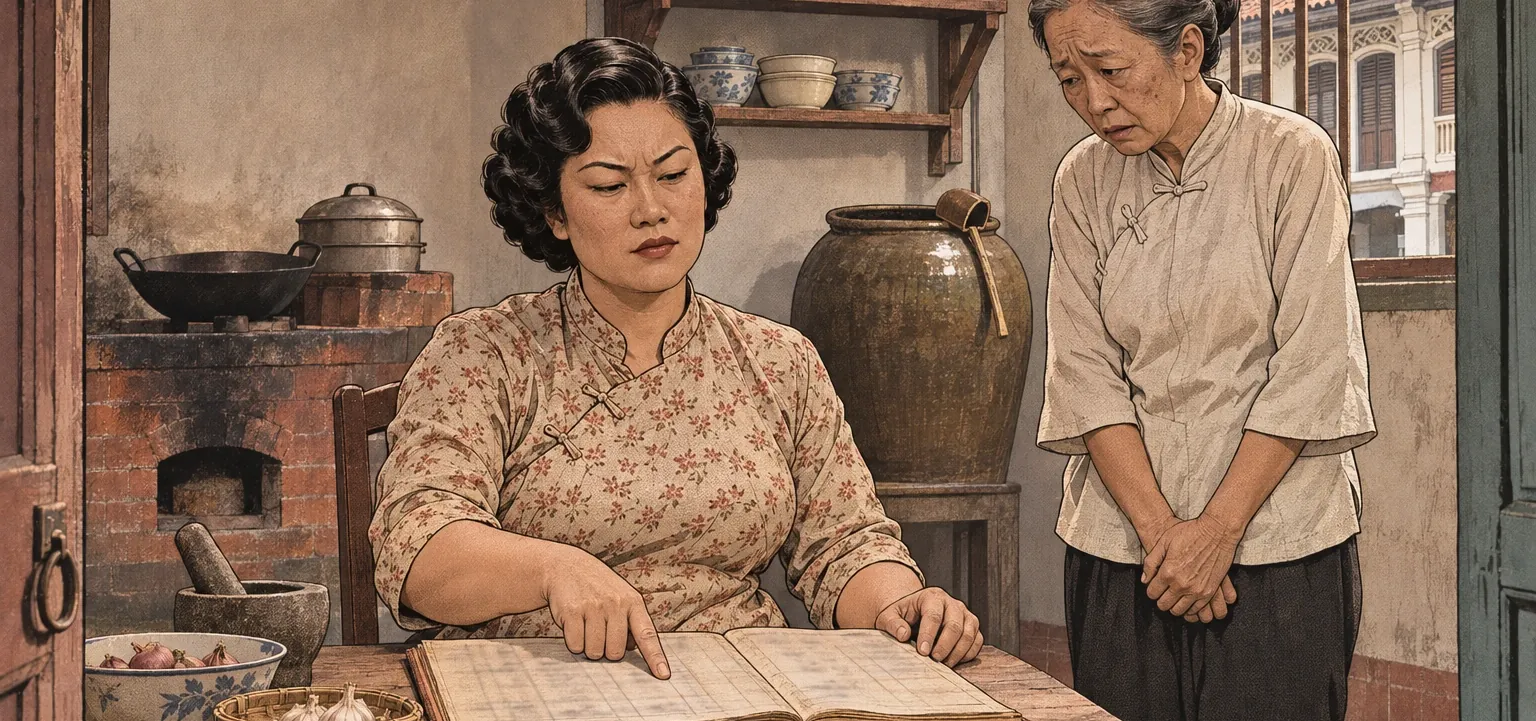
He was well that year, better than he had been since the war. He ate properly and slept, and by Christmas his good suit had to be let out. Swee Neo, once the cough had gone, took the house back in hand: she took the servants in hand, went through the household accounts that the cook had kept since 1950, and began to pay calls again in the afternoons, on the wives of the bank's customers.
Borrowed Books
The books came home twice a week as before, and Mei Lin kept them at the front-room table. The sewing woman still came on Tuesdays and the piano teacher on Fridays. She was seventeen and it was an ordinary year at home.
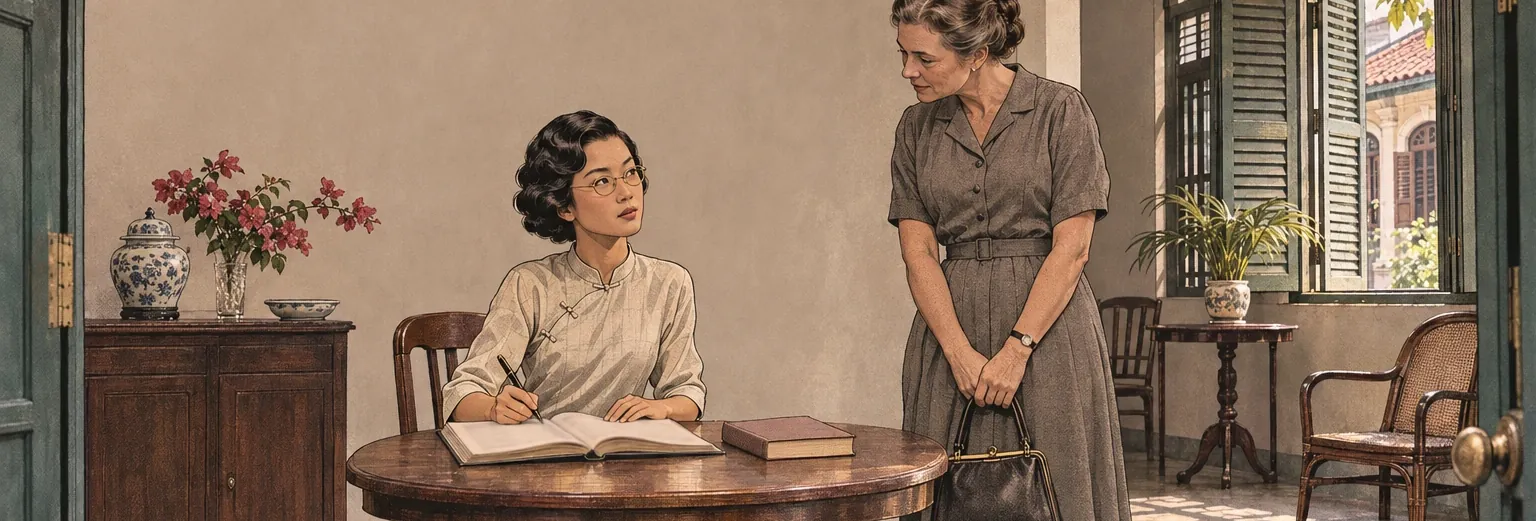
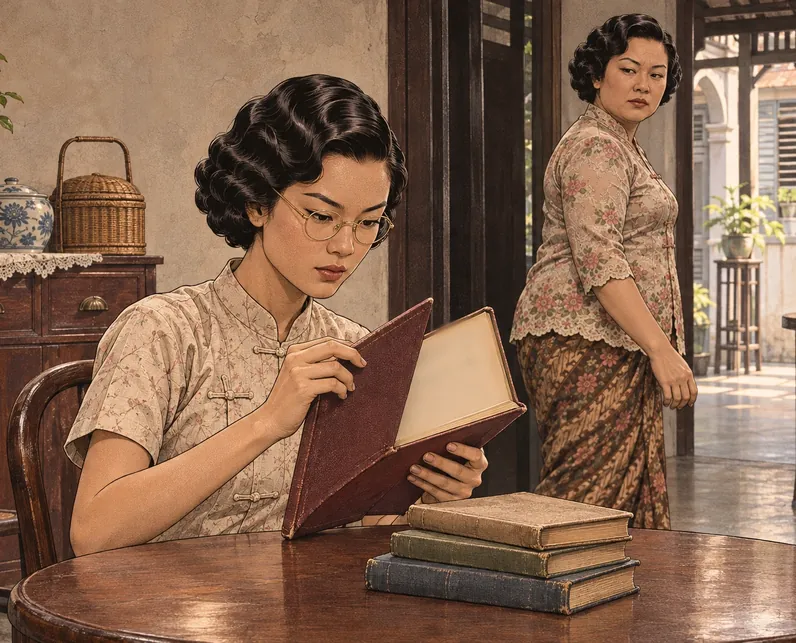
What was new was the bursar. The Englishwoman came to the house in July to settle the school's account, met Mei Lin over the ledger, and asked her what she was reading. She came again in August and brought a book, and after that the books came every few weeks, with the bursar's name written inside the cover: Jane Austen, a history of England, a manual of office practice. Swee Neo watched this and said nothing against it.
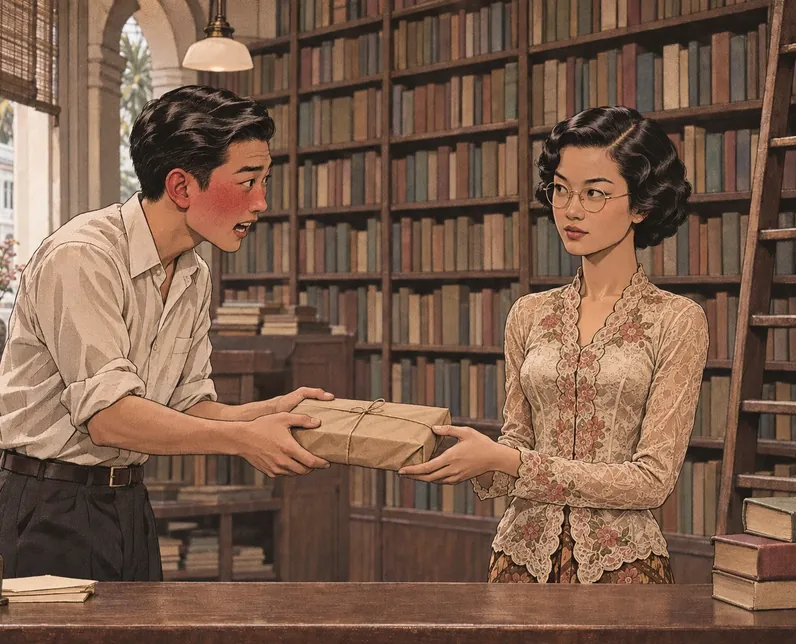
The young man at the bookseller's in Raffles Place still wrapped her parcels and still put in his lists. Once, when she came in herself, he asked whether she had liked the Brontës. She said she had, and that was all, and he was very red.
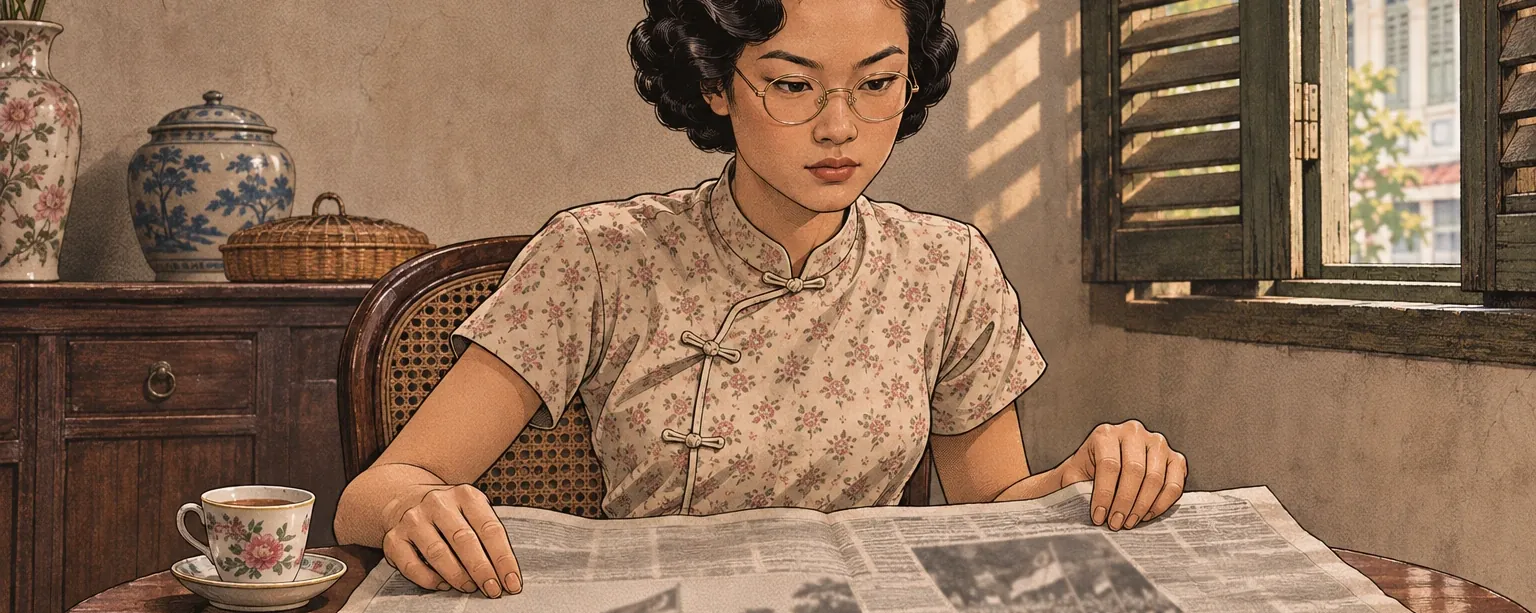
Outside, the year went by without touching the house. Malaya became a country in August, a citizenship law came into force in November, and in December the town elected a City Council. Mei Lin read about all of it in the newspapers.
In November the bursar sent back the last of the books with a note asking whether Miss Tan had ever thought of the commercial classes in town, and Mei Lin put the note in the back of the creditors' book, where she kept the things she had not yet decided about.